
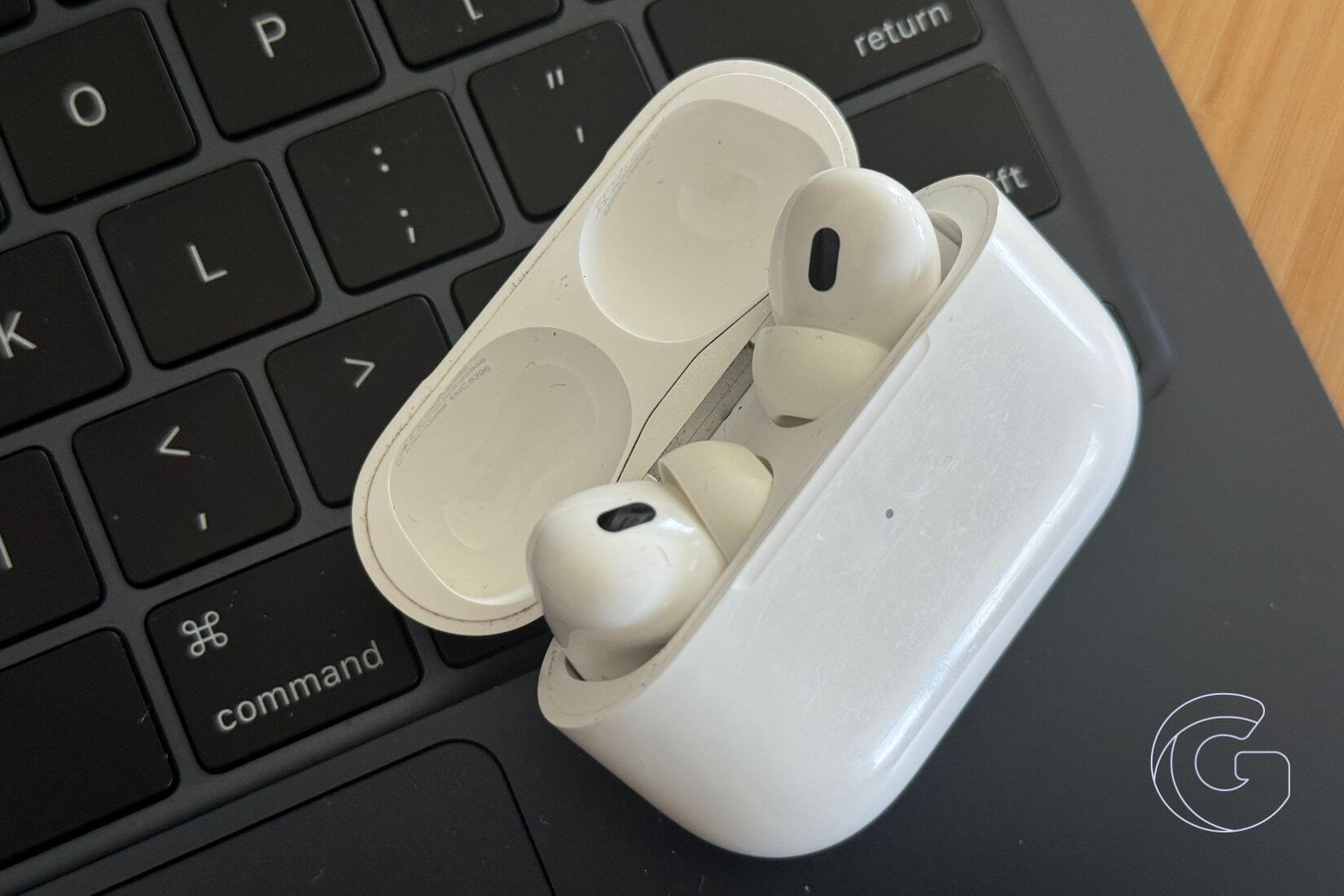
Apple has sold over a billion pairs of AirPods. And for that entire run, every single owner has been listening through the exact same fixed audio profile, with zero ability to touch the underlying sound signature.
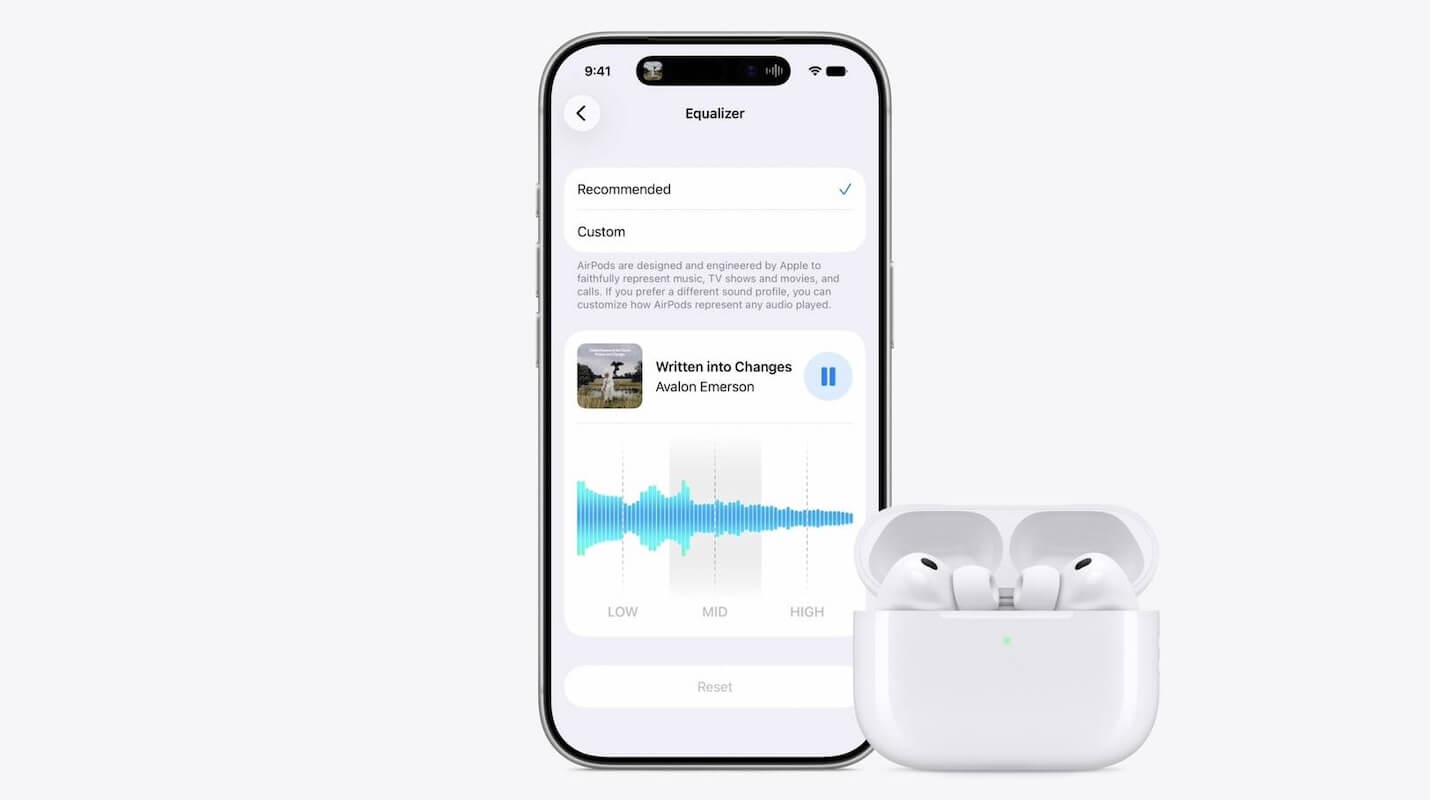
Starting with Apple’s latest software platform updates announced at WWDC 2026, AirPods will finally let you shape what music actually sounds like in your ears.
Bass too muddy? Pull it back. Vocals sound buried? Nudge the treble up. The kind of control that audiophiles have demanded for years is now sitting inside the same settings menu as your battery percentage.
Why This Took So Long Is the Interesting Question
Apple has always been opinionated about audio. The company tuned AirPods to sound a specific way, and that was the deal.
You got Adaptive Audio, Personalized Spatial Audio, Conversation Awareness, all genuinely clever features.
But those work by accounting for how sound reaches your ears, given your environment and head shape. None of them let you actually say “I want more bass” and get more bass. That gap, weirdly, stayed wide open until today.
To be fair, early community reaction is a little mixed. Some users are pointing out that the new custom EQ only offers three bands of adjustment, covering bass, mids, and treble.
Competitors have shipped five, seven, even ten-band equalizers for years. So if you were hoping for a full mixing board in your iPhone, you’re getting a starter kit instead.
Three Bands Is Still a Real Upgrade for Most People
Most people have never touched an EQ in their lives. The jump from zero control to any control matters more than the jump from three bands to ten.
If you’ve always found your AirPods a little too bright or a little too boomy, three sliders is genuinely enough to fix that. Power users will still grumble, but everyday listeners finally have somewhere to start.
The feature layers on top of everything AirPods already do, rather than replacing any of it. Your Personalized Spatial Audio profile still works. Conversation Awareness still kicks in when someone talks to you.
Custom EQ just sits underneath all of that, quietly adjusting the raw frequency balance before any of the smarter processing kicks in.
For a product that costs anywhere from $129 to $549 depending on which model you own, having actual say over how it sounds feels less like a bonus feature and more like something that probably should have been there from the start.

