
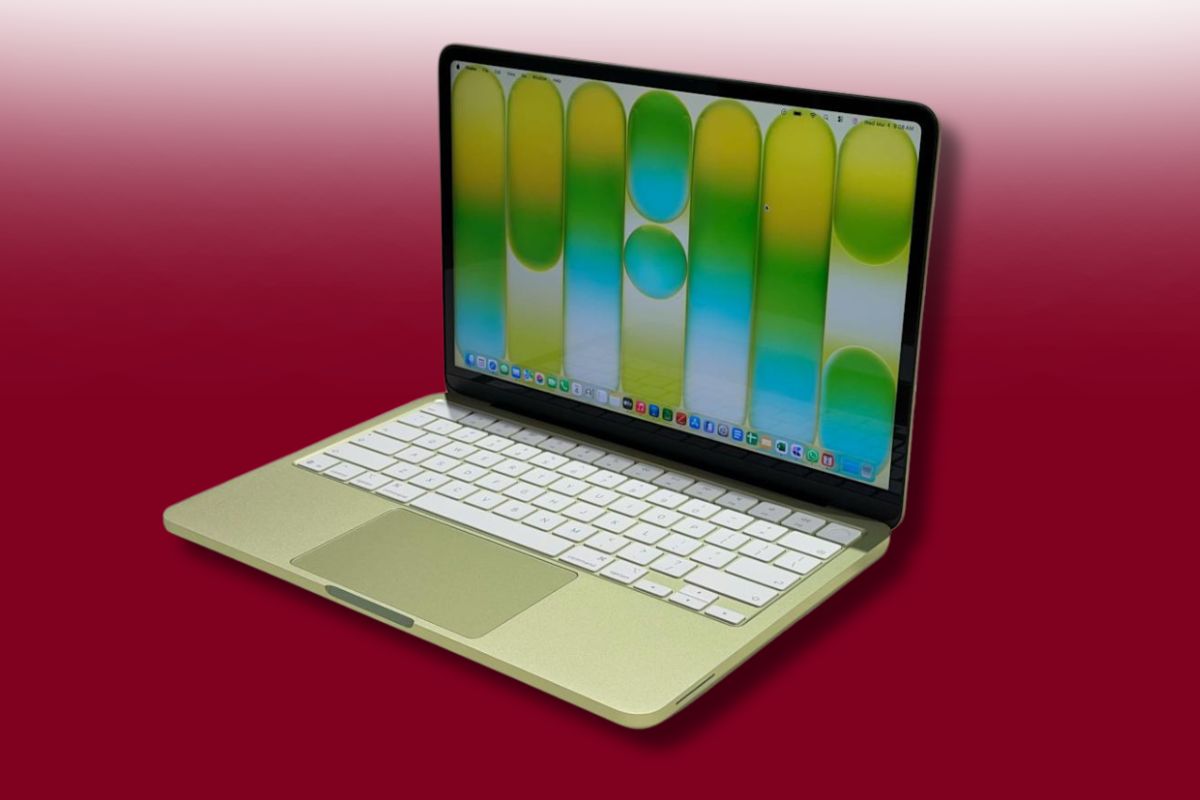
Apple may have backed itself into a corner with the MacBook Neo. What looked like a smart supply move is now becoming a real constraint, just as demand for the laptop is taking off.
When Apple designed the MacBook Neo, it made an unusual decision. Instead of discarding partially defective A18 Pro chips, the same ones used in the iPhone 16 Pro, it reused them.
These chips have one GPU core disabled, which made them cheaper to deploy at scale. That helped Apple launch its most affordable MacBook ever, but it also created a hidden limit.
Also: Apple would rather risk billions than change app store fees in its battle with Epic Games
Those chips only exist in finite numbers. They depend on manufacturing imperfections rather than planned output. Now that the MacBook Neo is selling faster than expected, Apple is approaching the point where that supply runs dry.
Now, the problem is that replacing them is not simple. The chips are produced by TSMC using an advanced 3nm process that is already running at full capacity. There is no easy way to spin up extra production without paying more or reshuffling priorities.
So Apple is left to choose between trade-offs. It could restart A18 Pro production and manually disable a GPU core to match current models, but that would raise costs.
It could redirect chips from other devices, which would impact its broader lineup. It could also adjust the MacBook Neo itself, either by limiting configurations or accelerating a newer version with a different chip.
None of those options keeps things as they are today. At the same time, Apple has a reason to keep pushing forward.
The MacBook Neo is drawing in a large number of first-time Mac buyers. That kind of momentum is difficult to ignore, especially when it expands the company’s user base.
For now, the strain is starting to show. Shipping estimates have stretched to a few weeks in multiple regions, and availability is tightening. Apple has not labeled it a shortage, but the pattern is familiar to anyone who has followed its product launches.
Would you still buy the MacBook Neo if Apple quietly raised the price to fix this supply issue, or is the $599 tag the whole reason it works?

