
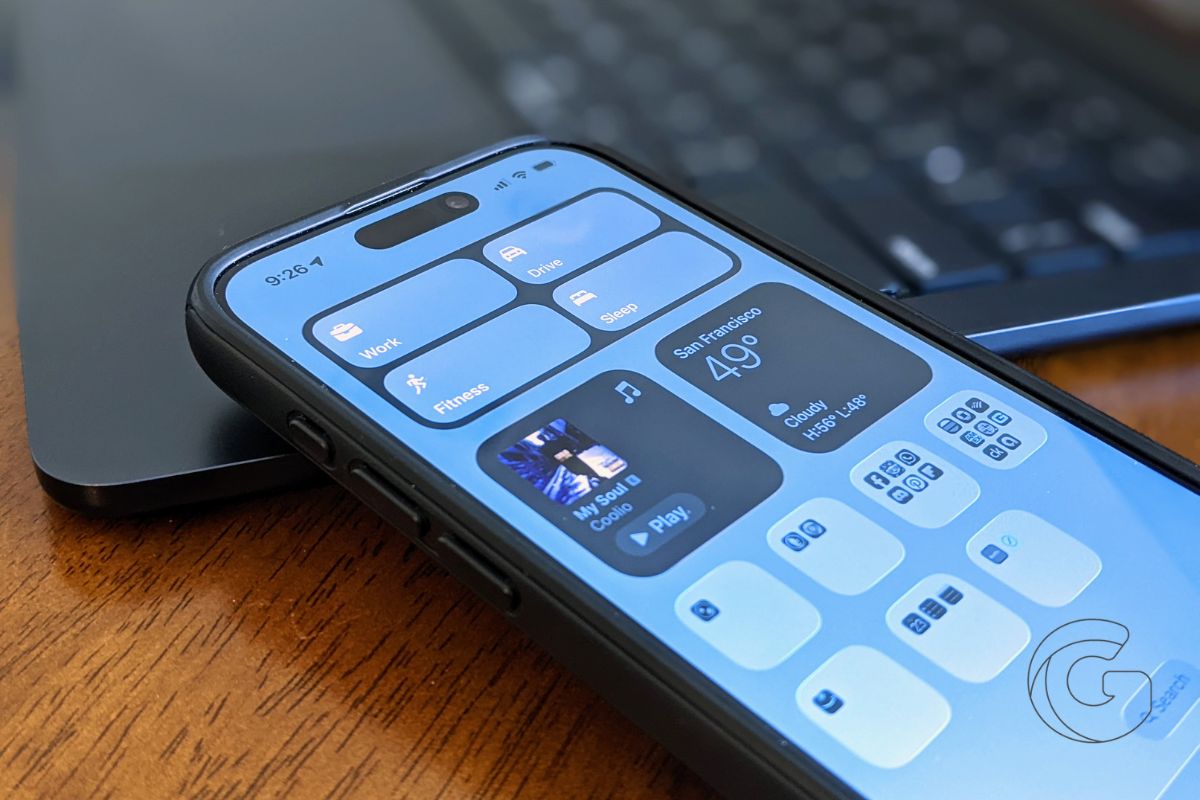
Nearly three years after European regulations forced Apple to open the iPhone to alternative browser engines, not a single browser maker has released one.
Google is now publicly backing Mozilla’s criticism of Apple’s browser restrictions, arguing that the company’s conditions make meaningful competition with Safari nearly impossible.
Apple began permitting alternative browser engines in the EU in early 2024 to comply with the Digital Markets Act (DMA).
However, Mozilla and a coalition representing up to 55,000 businesses and organizations recently urged the European Commission to address the remaining restrictions.
Why Firefox and Chrome Still Rely on Apple’s Browser Engine
Apple requires browsers using alternative engines to be distributed exclusively within the EU.
For Mozilla, that means releasing a separate version of Firefox rather than bringing its Gecko browser engine to the existing app.
European users would then need to download the new version and migrate their bookmarks, browsing history, and settings.
Mozilla described these conditions as “unworkable,” arguing that Apple has complied with the DMA only on paper.
Google echoed those concerns, saying that forcing browser makers to release separate apps and win back existing users undermines genuine consumer choice.
Despite publicly supporting Mozilla, Google did not sign the open letter to European regulators. The company began experimenting with a version of Chromium using its own Blink engine in 2023 but has never announced plans to release it.
Apple Maintains Its Restrictions Are Necessary
Apple argues that its requirements are designed to protect users’ online safety.
During a DMA workshop in June 2025, the company maintained that Google and Mozilla already have everything they need to release browsers using their own engines in the EU and have simply chosen not to do so.
The European Commission has since confirmed that it is in active discussions with Apple over its browser engine restrictions.
Regulators are also consulting Mozilla and other signatories to determine how competing browsers can realistically challenge Safari on the iPhone.

