
Apple is giving its Health app its biggest overhaul yet, adding AI-generated health guidance, a new Longevity section, at-home physical assessments, and the ability to order bloodwork directly from an iPhone.
The redesigned app arrives in late 2026 alongside iOS 27. In the U.S., Apple is also partnering with Quest Diagnostics on a $119 blood panel covering more than 50 biomarkers.
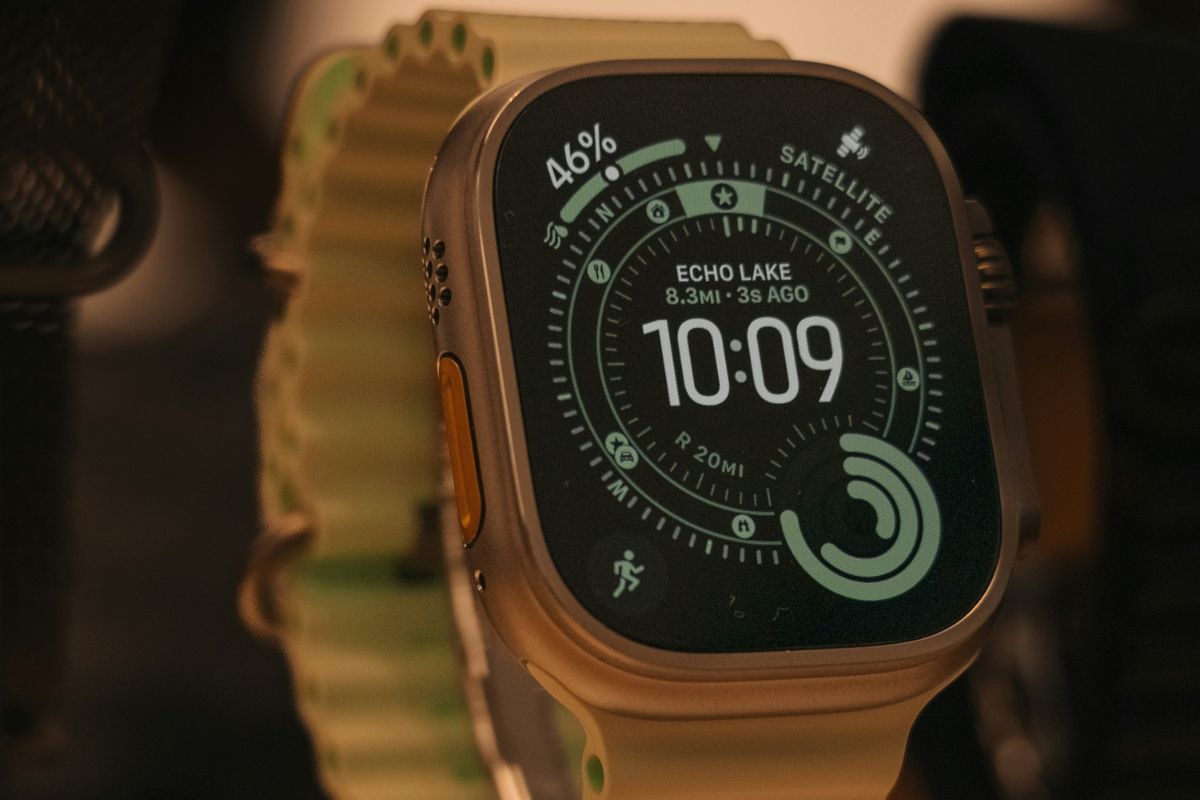
Much of the new health data comes from the Apple Watch Series 12 and Ultra 4, which introduce what Apple calls its Health Sensing System.
Both watches use a redesigned rear sensor array with a larger ECG electrode, ring-shaped photodiodes, and more efficient green LEDs.
Heart rate can now be measured every five seconds throughout the day, while heart rate variability readings are collected more frequently.
Apple says an internal study using an ECG chest strap as the reference found the Series 12 delivered the most accurate heart rate readings among the wearables it tested.
Apple Intelligence Puts the Data to Work
A new Insights section uses Apple Intelligence to summarize health data and suggest changes based on a user’s goals. Someone focused on cardio, for example, could be prompted to add intervals to a morning run.
Apple is also introducing a Readiness score that combines recent activity, sleep, and vitals into a rating from 0 to 10. Guidance ranges from “Recover” to “Go For It,” and the score appears on the watch face and in the Fitness and Health apps.
The new Longevity section takes a longer view. Health Age uses measurements including VO2 max, resting heart rate, HRV, sleep, and blood biomarkers to estimate how a user’s body compares with their chronological age. It can then identify habits that could most affect that number.
Blood Tests Come to the Health App
U.S. users can order a comprehensive Quest Diagnostics blood panel for $119 without leaving the Health app.
Testing takes place at one of Quest’s roughly 2,000 U.S. locations, with more than 50 biomarkers covering areas such as cardiometabolic health and organ function. It also includes blood pressure, height, weight, and waist and hip measurements.
Users can combine results with Apple Watch data and analyze them on-device. Apple says clinical experts will provide videos explaining what the results mean.
Apple hasn’t published the full list of biomarkers yet. Oura offers a similar Quest panel covering more than 50 biomarkers for $99, giving Apple immediate price competition.
Some Features Still Need the New Watch
The Health app is adding camera-based movement tests to check VO2 max, strength, balance, and flexibility, then generating a custom workout plan based on the results.
Apple says the camera feed is never saved or recorded. The update also adds perimenopause and menopause tracking to Cycle Tracking.
The redesigned Health app will be available to users with an Apple Intelligence-capable iPhone without requiring a new Apple Watch.
More frequent heart rate and HRV measurements, along with the Readiness score, require an Apple Watch Series 12 or Ultra 4.
Apple plans to release the new Health experience in late 2026, initially in U.S. English, with more languages to follow.

