
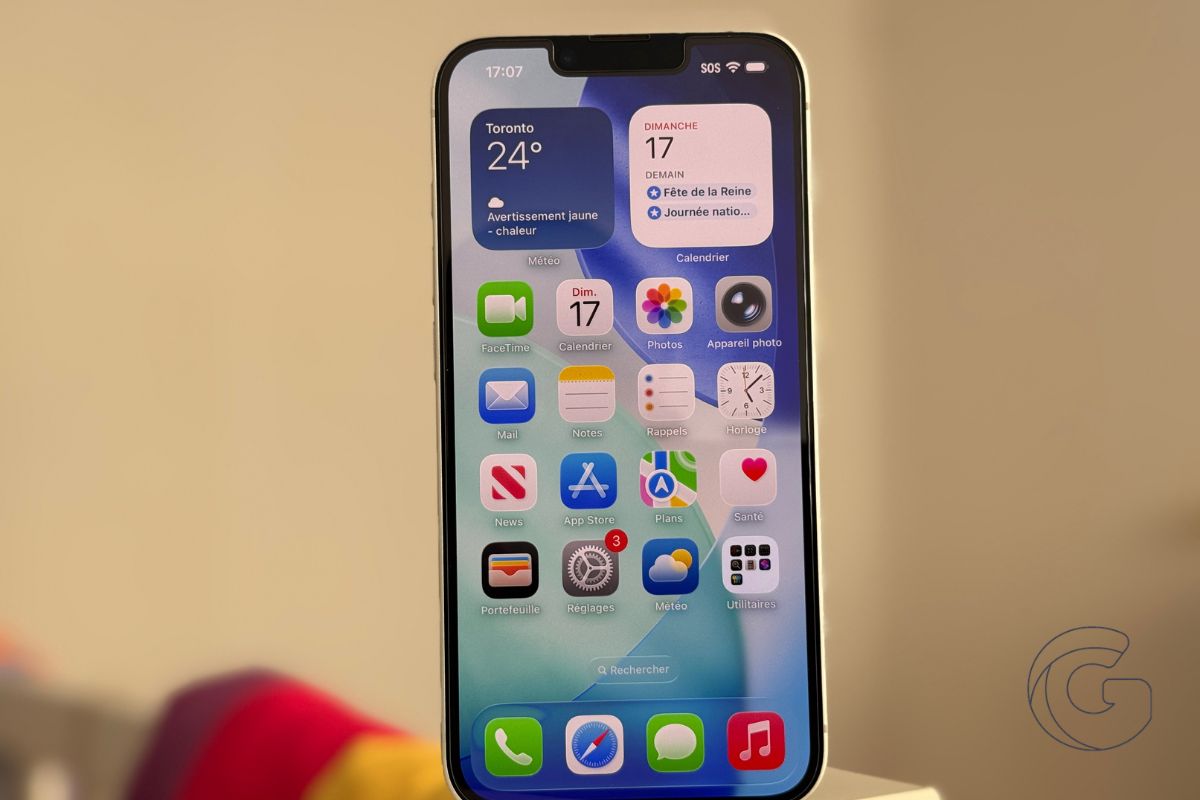
Apple’s budget iPhone will stick with a 60Hz display at least through 2027, meaning buyers of the iPhone 18e will experience noticeably less fluid scrolling and animations than those who pick up one of the other iPhone 18 models launching the same year.
The iPhone 18e will reportedly use the same screen panel technology found in the current iPhone 17e.
That panel runs at a fixed 60Hz refresh rate, which is the same speed Apple has used on its entry-level iPhone since the original SE launched a decade ago.
What 60Hz Actually Means for Daily Use
On any other iPhone 18 model, the display will refresh at up to 120Hz, which makes text appear sharper while scrolling, animations run more smoothly, and touch inputs feel more responsive.
The iPhone 18e won’t do any of that. For most users, the gap is most visible when swiping through apps, reading long web pages, or playing games. The difference is noticeable side by side with a Pro model, even if it’s easy to adapt to over time.
Android phones at comparable prices have offered 120Hz screens for several years. Several models under $400 from Samsung and Google now include the higher refresh rate as a standard feature.
This makes Apple’s continued use of 60Hz on its low-cost phone a deliberate product decision rather than a technical limitation.
When That Could Change
A separate report from Korea published earlier this year put the earliest possible date for a 120Hz display on an entry-level iPhone at 2028, with the fourth-generation e-series model.
That upgrade depends on Apple introducing a next-generation panel technology the company is reportedly developing internally, which reduces power consumption compared to current 120Hz display components.
Apple is said to be planning to keep that new technology exclusive to its higher-end lineup first, including the iPhone Air and its forthcoming foldable device, before the existing 120Hz panel technology filters down to the budget model.
If that internal display project runs behind schedule, the 2028 timeline for the entry-level iPhone could slip further. Neither Apple nor any of its display suppliers have confirmed the plan publicly.
The Trade-Off for Budget Buyers
The iPhone 17e launched at $599, positioning it as Apple’s most affordable current iPhone.
Keeping the 60Hz panel helps Apple hold that price point, since the LTPO display components required for 120Hz add meaningful cost at the scale at which Apple manufactures phones.
Buyers who want a smoother display experience within Apple’s lineup currently need to spend at least $100 more for a standard iPhone 17, which already ships with ProMotion. For iPhone 18e buyers, that trade-off remains in place for another product cycle.

