
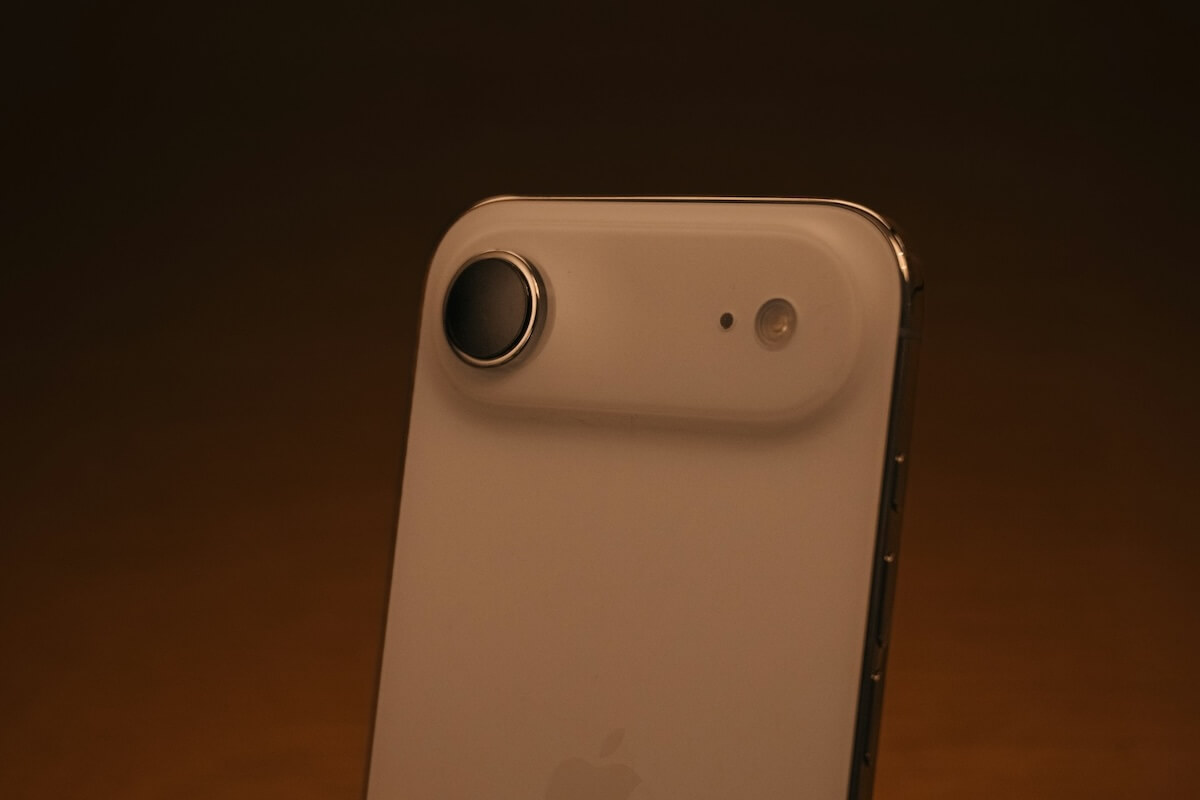
Apple’s second-generation iPhone Air is expected to carry a 3,500mAh battery when it arrives in the first half of 2027, up from the 3,149mAh cell in the current model, according to a supply chain leaker posting on Weibo.
The roughly 11 percent increase would be the most direct response yet to the single biggest complaint owners have raised about the device since launch.
Battery life has been a consistent frustration for iPhone Air users. The current model is Apple’s thinnest iPhone, and that thinness came at a cost.
The phone carries a smaller battery than any other iPhone in the current lineup, and real-world endurance reflects that. For people coming from an iPhone Pro Max, the difference is noticeable within a single day.
How Apple May Fit More Battery Into the Same Chassis
Apple is not expected to make the iPhone Air 2 physically larger to accommodate the upgraded battery.
Instead, the company is reportedly adopting a thinner display technology from Samsung called CoE, short for Color Filter on Encapsulation, which reduces the thickness of the screen panel itself.
A slimmer display frees up space inside the device, and Apple could use that space to fit a larger battery cell without adding bulk or weight.
The A20 chip, built on a 2-nanometer process, is also expected to run more efficiently than the current A18 inside the iPhone Air, which would stretch battery life further even if the raw capacity number tells only part of the story.
Chip efficiency improvements have historically contributed as much to real-world endurance as increases in battery size.
A Second Camera Lens Complicates the Engineering
The battery improvement arrives alongside a more complicated internal redesign. Earlier reports have suggested that Apple will add an ultra-wide rear camera to the iPhone Air 2, addressing another frequent criticism of the current model, which ships with only a single wide lens.
That limitation puts the iPhone Air below even the standard iPhone 17 in photography flexibility, a comparison that does not work in the premium device’s favor.
Adding a second camera requires carving out additional space inside a phone that was already engineered to its limits.
The current iPhone Air routes several components through a raised platform on the back of the device, specifically to maximize interior room for the battery.
Rearranging that layout to fit a new lens while also growing the battery will require a meaningful internal redesign, and whether Apple can pull it off without adding noticeable weight remains an open question ahead of the 2027 launch.
The iPhone Air 2 is slated to launch alongside the standard iPhone 18 and a lower-cost iPhone 18e. All three are expected in the first half of 2027.

