
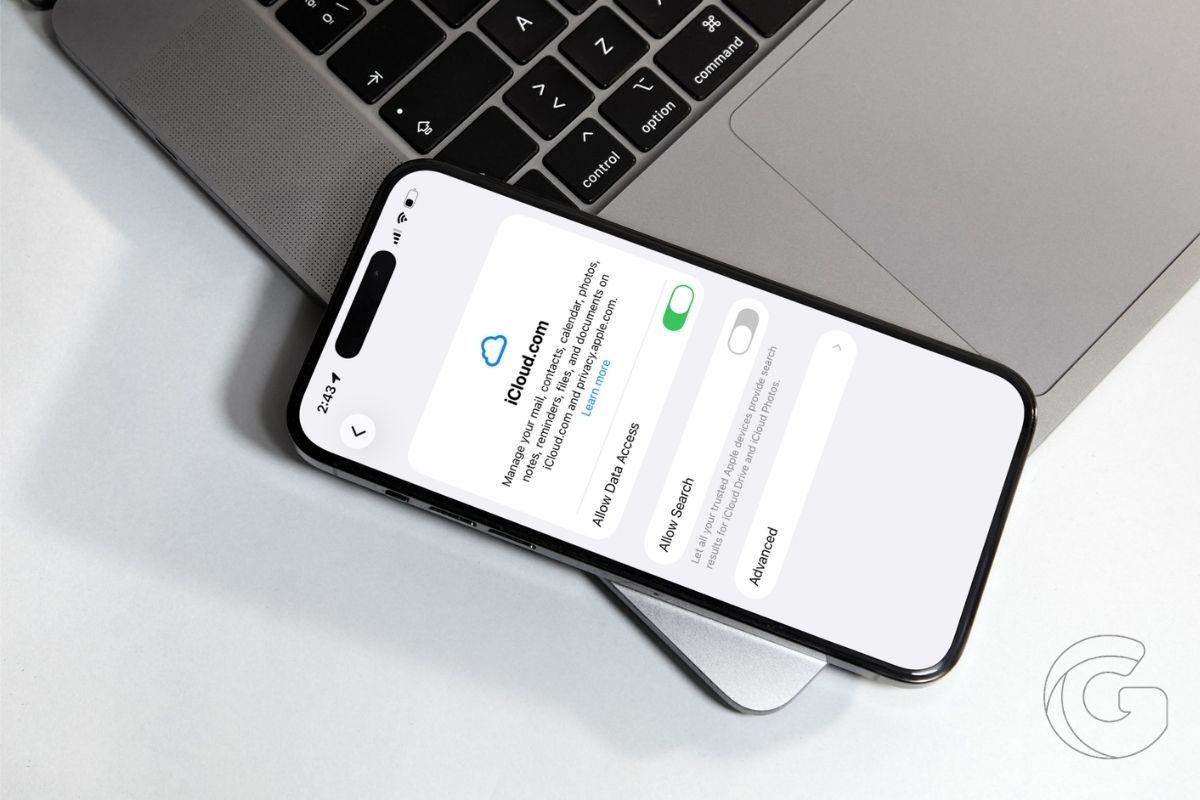
Your iPhone has always kept one backup option locked behind Apple’s own servers, blocking you from using third-party services like Google Drive, OneDrive, or a local home network setup.
Italy’s competition regulator just opened a formal investigation into whether that arrangement breaks European law, and if it does, millions of iPhone users could eventually back up their devices anywhere they want, for free.
Apple gives every iCloud account 5GB of free storage, which fills up fast. A single iPhone backup can eat most of it, which is exactly how millions of people end up paying $3 a month just to keep their phone backed up.
Some users already have terabytes of free storage sitting on Microsoft OneDrive or Google One. But iOS will not let them use it for a full device backup. That functionality is reserved exclusively for iCloud.
Italy’s competition authority argues that arrangement gives Apple an unfair built-in advantage over every rival cloud service.
Under the European Digital Markets Act, Apple is legally required to allow third-party cloud providers access to the same iOS and iPadOS features that iCloud uses. The Italian watchdog says that simply is not happening right now.
The core issue is access to a specific iOS feature that enables a complete device backup. Apple exposes that feature to iCloud. Other cloud services cannot touch it.
That gap means rival providers cannot offer a genuinely comparable backup experience, no matter how much storage they provide or how competitive their pricing is.
Android handles this differently, where its users can back up directly to a USB drive, a home NAS, or any cloud service with the right app.
Also: I’ve been testing iOS 27, and these 5 lock screen upgrades hit different if you use older iPhones
iPhone users have never had that flexibility through a wireless backup. The investigation puts pressure on Apple to change that, at least across Europe.
Italy is not acting alone here. The Italian authority is conducting a preliminary investigation under a DMA provision that allows national regulators to gather evidence and feed their findings directly to the European Commission, which serves as the sole enforcer of the law.
Any company found in violation faces fines of up to 10% of its annual global revenue. For Apple, that number runs into the billions.
Also: Apple just removed a feature millions used daily on Apple Watch — and hasn’t said a word about it
This is the first DMA probe the Italian watchdog has ever launched. The fact that regulators chose iCloud backup access as the opening case signals where they see the most obvious lock-in.
A ruling against Apple would set a precedent that reshapes how iPhone backups work across the entire EU, potentially forcing Apple to open those features to every cloud provider operating in Europe.
For ordinary iPhone users, the practical outcome of that shift would be straightforward. If you already pay for storage somewhere else, you could stop paying Apple just to keep your phone backed up.

