
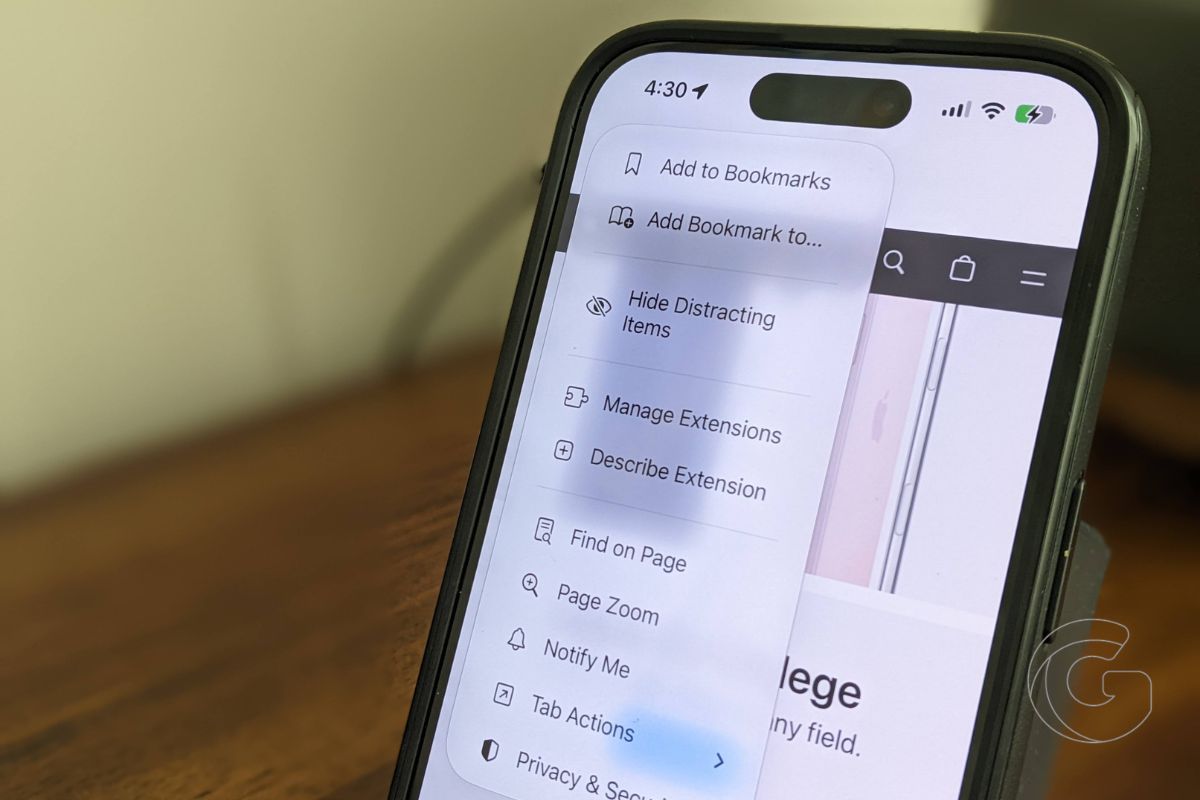
Safari is gaining the ability to generate browser extensions from natural language prompts.
Instead of installing tools or writing code, users can describe what they want in plain text, and Safari builds the extension on-device.
The feature removes a step that has traditionally defined browser customization. Extensions have typically required developer tools, coding knowledge, and App Store distribution. Apple is now allowing that workflow to start with a simple request inside the browser.
One example Apple showed involves cooking sites. A user can ask Safari to add a button that saves and rates recipes, and the browser will automatically generate the extension.
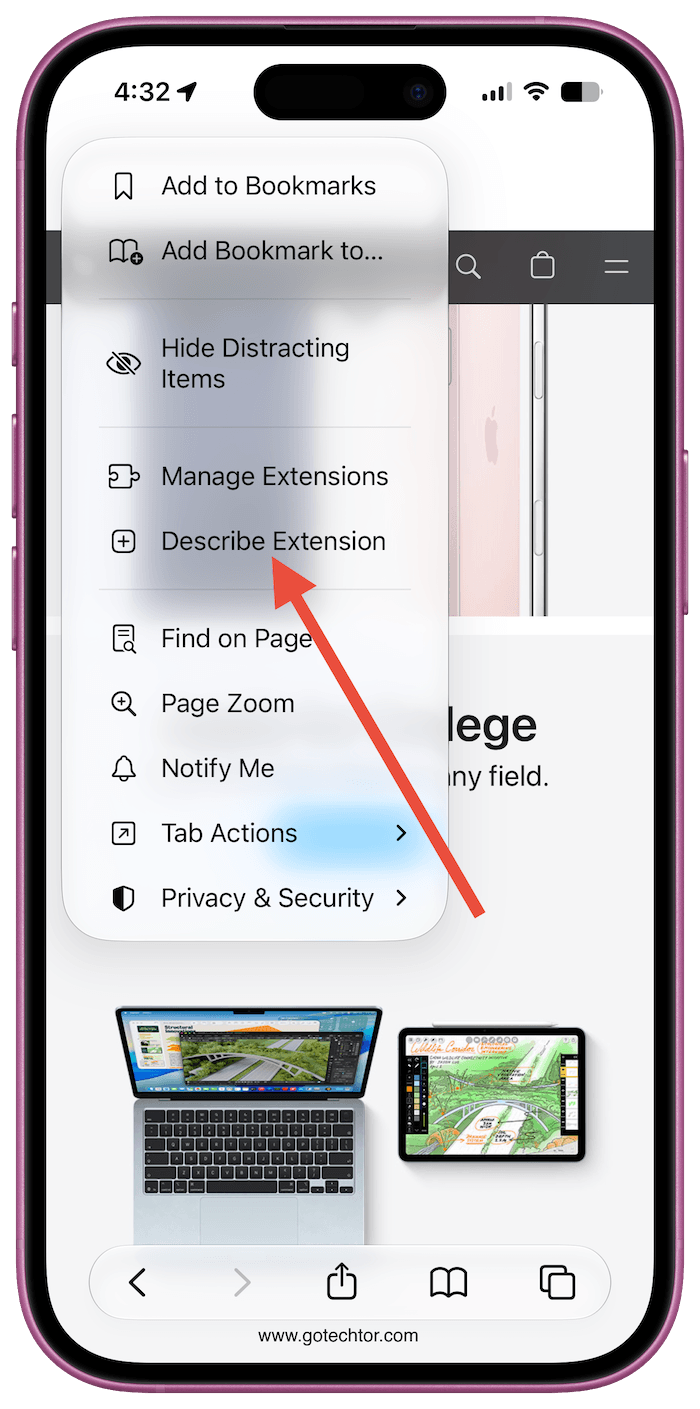
The same approach can be applied to other repetitive tasks, from simplifying page layouts to adding custom viewing tools for specific sites.
Apple also demonstrated a related capability in Safari focused on passwords. The browser can identify weak or compromised credentials and replace them automatically.
After a single approval, it navigates to the relevant site, signs in, generates a new password, and saves it without requiring the user to visit account settings.
Apple describes this as part of its broader push toward agentic AI, where software performs multi-step tasks on behalf of the user rather than responding only to prompts.
In practice, it turns Safari into a tool that can carry out actions across websites rather than just display them.
Another update introduces automatic tab grouping. Safari can organize open tabs into related categories based on browsing activity, such as grouping travel research or shopping pages without user input.
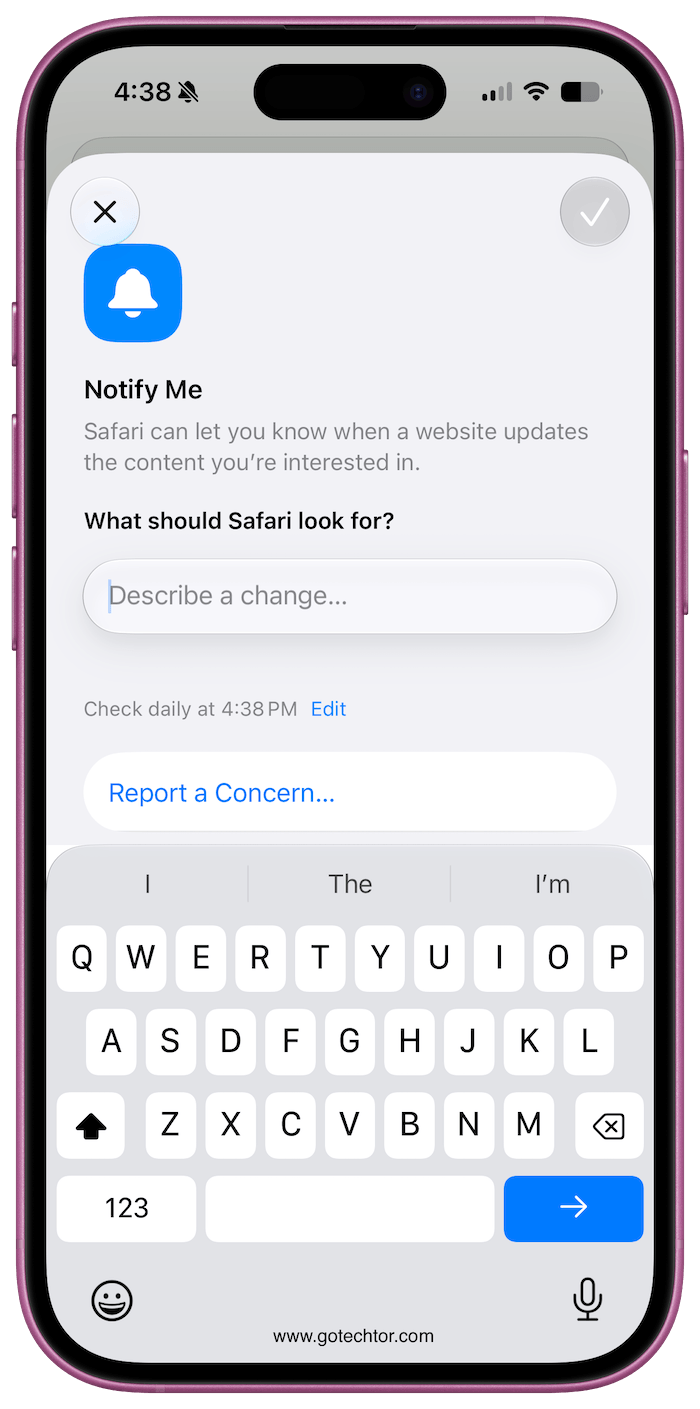
A feature called Notify Me lets users monitor changes on any webpage. It can track updates such as price drops, stock availability, or edits to specific page elements and send alerts when those changes occur, removing the need for separate tracking extensions.
Apple says all of these features run on-device, with browsing data processed locally rather than sent to its servers.
The company positions this as a privacy-focused approach, even as Safari takes on a more active role in handling tasks across the web.

