
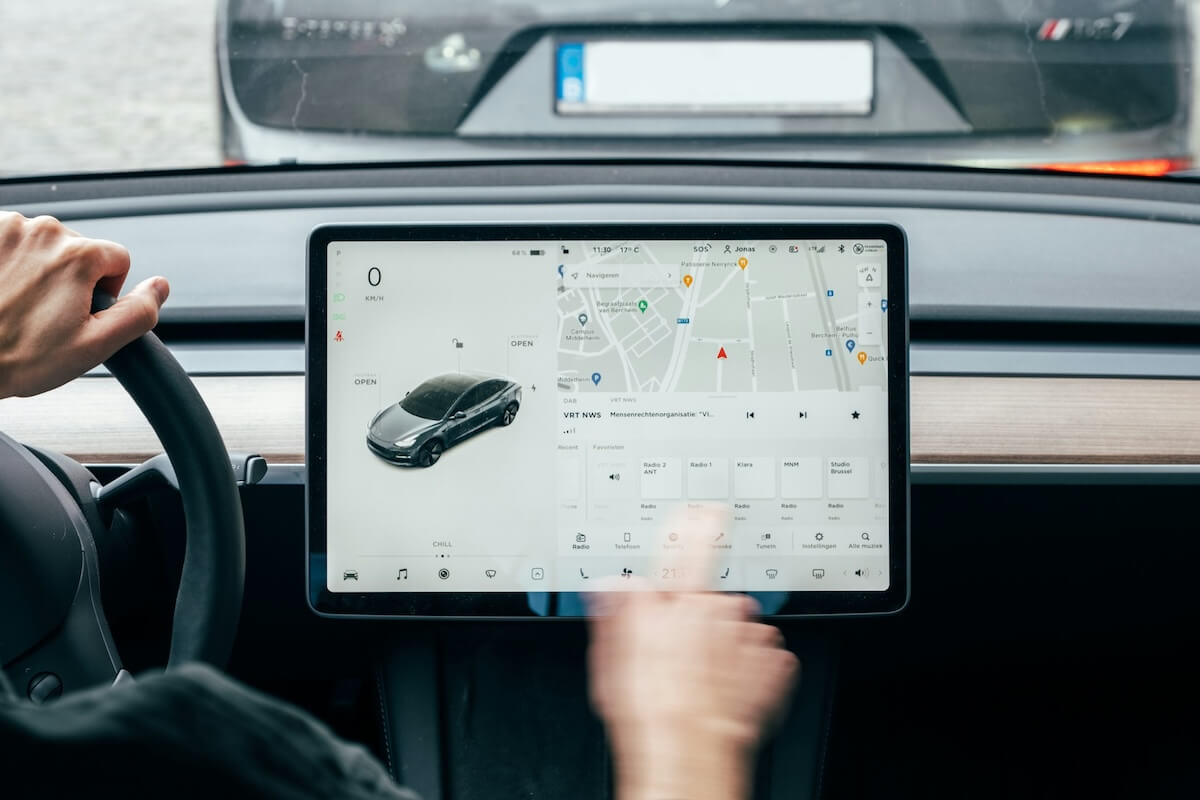
Tesla is finally doing the thing everyone has been asking it to do for years. The company is exploring Apple CarPlay support in its vehicles, according to people familiar with the discussions.
That alone is a plot twist. Tesla has spent the last decade pretending CarPlay is unnecessary because its in-house software was supposedly better.
The company held that line even as every major automaker embraced Apple’s system. Now it looks like Tesla is acknowledging reality.
If you have driven a Tesla, you know the story. The software is modern and fast, but it also traps you inside Tesla’s universe.
You get Tesla Maps, Tesla media apps, Tesla voice control. Anything that does not fit Tesla’s idea of a car interface gets ignored.
The result is a car that behaves like a giant phone from a company that does not like other companies touching its phone.
CarPlay broke that model for everyone else. People want their messages, their music, and their navigation apps. They want consistency across devices. And they want all of that without handing their digital lives to an automaker.
Every study shows CarPlay is one of the most requested features when people shop for a new car. Tesla has been the lone major holdout.
So why the change? Some of it is simple market pressure. Tesla’s sales growth has cooled. The company is cutting prices to keep demand up. New models are arriving slower than planned.
Meanwhile, competitors have caught up on the screen size and software speed advantages that Tesla once held. You can get a giant display and fast UI in a Hyundai now. Tesla needs features that broaden appeal, not narrow it.
There is also the regulatory angle. Europe is circling new rules that would make it harder to defend closed infotainment systems.
Apple and Google have been lobbying for more consistent access to vehicle data. Tesla may not love it, but the trend line is clear. The era of completely sealed car software is ending.
If CarPlay actually arrives in Teslas, the bigger question is how much of it Tesla will allow. Apple’s next-generation CarPlay wants deep control of climate systems, clusters, and vehicle functions. That is the part Tesla is least likely to accept.
Also: Apple is rethinking the iPhone Air 2 with a second camera — could this be too little, too late?
The company treats that layer as core identity, not optional integration. So expect something closer to the CarPlay you see on existing cars today, sitting inside a Tesla UI frame that the company refuses to give up.
Still, this is a big shift. Tesla built a reputation on ignoring industry norms and pushing its own vision. Letting CarPlay in feels like an admission that customers won the argument.
It also makes every other tech company’s play for the dashboard more interesting. If Tesla cracks the door open, even a little, Apple will not miss the chance to step through.
Tesla spent years saying it did not need CarPlay. The company is now working on it. That tells you more about Tesla’s market position than any chart the company showed investors last quarter.

