
Apple has quietly shelved development of a camera-equipped AI wearable pin, putting an indefinite hold on a device once considered for release as early as 2027.
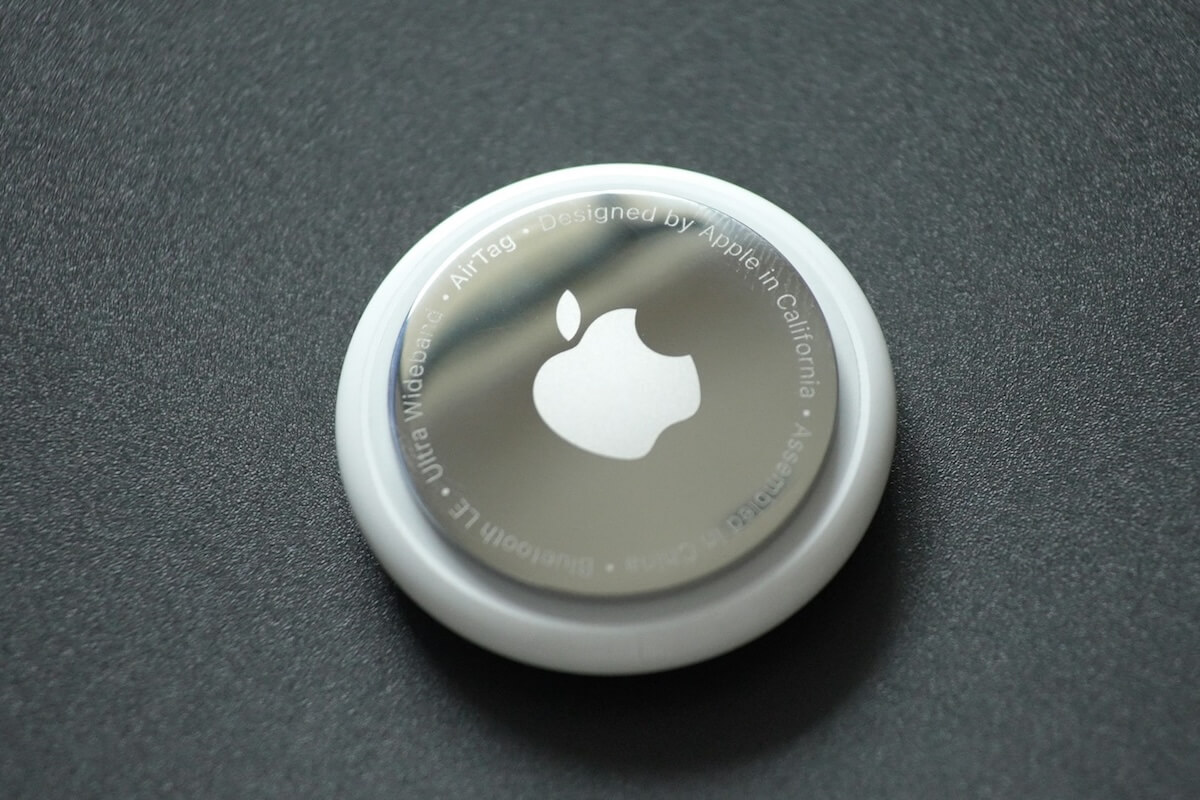
New details describe the device as a small circular disc roughly the size of an AirTag, made of aluminum and glass, with a physical button on its side.
Users could have clipped or pinned it to clothing or worn it as a pendant. Its built-in camera would give Siri visual information about the wearer’s surroundings, allowing Visual Intelligence to identify objects, answer questions about what’s nearby, and provide location-aware information without requiring an iPhone to come out of a pocket.
Development is now on hold, with no indication of when or whether Apple intends to revive it.
Apple has plenty of wearables already in development
The pin was only one part of a much broader push to bring cameras and AI into devices people wear throughout the day.
AirPods with built-in cameras remain on track for as soon as 2027 and are expected to provide similar Visual Intelligence capabilities.
Apple is also developing AI-powered smart glasses, while a separate screenless fitness band would focus on continuous health tracking rather than cameras.
That makes the pin the odd one out. AirPods, glasses and fitness bands all add new capabilities to products people already understand and wear.
A pin asks someone to add another device to their clothing specifically for AI, making it much harder to justify why it needs to exist alongside an iPhone, Apple Watch, and AirPods.
We’ve already seen how difficult that proposition can be. Humane’s AI Pin launched in 2024 with a similar promise of reducing dependence on smartphones, received overwhelmingly poor reviews, and was discontinued after HP acquired parts of the company the following year.
That doesn’t explain why Apple stopped development, but it shows the market the device would have entered.
Then there’s the camera problem
A wearable camera introduces another complication that becomes much harder to ignore when it’s visibly attached to someone’s clothing.
Smart glasses face many of the same concerns, but people already understand what glasses are for. AirPods are similarly familiar. A camera-equipped disc pinned to a shirt would have to establish both what it does and whether people nearby are comfortable with it doing that.
That’s especially important for Visual Intelligence, where the product’s usefulness depends on its ability to understand what’s happening around the wearer.
There are legitimate ways Apple could address those concerns through visible recording indicators, on-device processing, and restrictions around when the camera operates.
But the basic social question remains: would people be comfortable talking to someone with an AI camera pointed in their direction?
Apple hasn’t said privacy concerns played any role in putting the project on hold, so there’s no evidence that they caused the decision.
Still, between an unfamiliar form factor, another device to wear, and the baggage that comes with putting a camera on someone’s chest, the pin faced questions that Apple’s other upcoming wearables may be better positioned to answer.
For now, development is on indefinite hold rather than formally canceled, leaving Apple the option of revisiting the idea later.

