
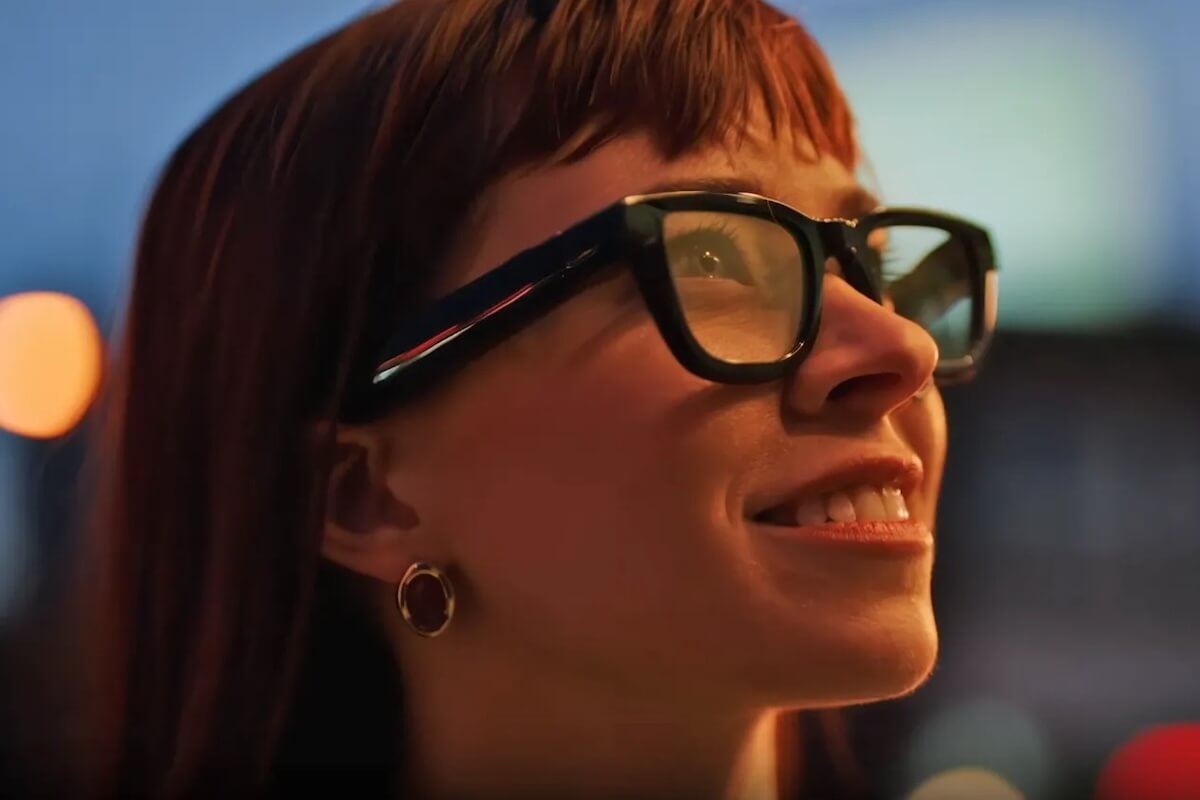
Apple has long teased glasses that quietly surface information before you even ask. The idea is neat, designed to feel natural and almost invisible. But the timeline just got messy.
Google confirmed its own smart glasses for 2026, and suddenly, Apple is no longer developing in a vacuum.
Google’s strategy is surprisingly grounded. It’s partnering with Warby Parker, Gentle Monster, and Samsung to make frames people actually want to wear.
Also: Why Apple might be quietly killing AI before it even gets started and you may pay the hidden cost
The company plans to offer two models: a lightweight version focused on audio and cameras, and a more capable pair with a tiny display for navigation and translation.
It’s a pragmatic, iterative approach Google rarely gets credit for, and it could matter this time.
Apple, by contrast, is reportedly aiming for late 2026 or early 2027. Vision Pro offered lessons, but it also highlighted how quickly excitement fades when a device feels heavy, complicated, or socially awkward.
Glasses cannot feel like a science project. They must be comfortable, durable, socially acceptable, and withstand real-world conditions.
The pressure shifts when competition has momentum. If Google ships first with something simple and pleasant, Apple risks appearing to be playing catch-up.
Consumers may already have expectations for what smart glasses should be. That matters because if glasses become a primary interface, the iPhone becomes the accessory.
Apple will suddenly have to answer questions about battery life, pricing, and usability on someone else’s timeline.
Apple can still win this space, but the window for mistakes is small. The first version has to feel natural on your face, comfortable, and genuinely useful. If it stumbles, users will move on.
The category is finally alive, and Google’s 2026 glasses put Apple on the clock. If Apple wants to lead, it needs to ship something that works in the real world, around real people. Anything less risks letting a first-mover advantage slip away.
Do you think Apple can still beat Google to smart glasses glory, or is the iPhone’s maker already behind?

