
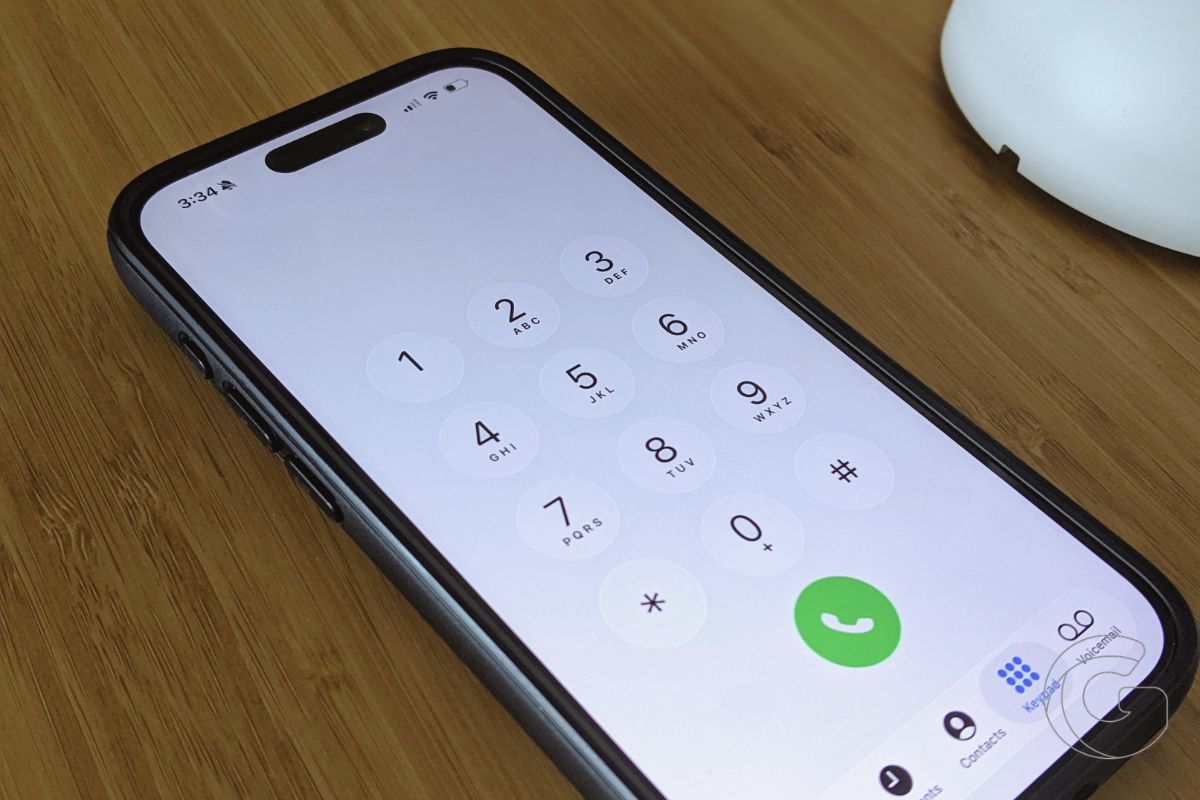
Your iPhone can block up to 20,000 phone numbers. That sounds like plenty, until you meet someone who has actually hit the ceiling and had no idea why new blocks stopped working.
Apple never documented this limit anywhere, leaving frustrated users to piece things together through community forums and social media threads.
A small but genuinely useful change is buried inside the first iOS 26.6 developer beta. When you reach whatever the blocking cap is on your device, your iPhone will tell you directly: you have hit the limit and need to remove an existing entry before adding another.
Why Anyone Would Block Thousands of Numbers
Spam callers rotate through fresh numbers constantly, so someone who has been manually blocking every robocall for a few years could realistically accumulate thousands of entries.
Clearing them out requires going to Settings, then Apps, then Phone, then Blocked Contacts, and swiping left on each one individually. Unfortunately, there is no select-all option or bulk delete.
If that sounds exhausting, iOS 26 already has a smarter approach built in. A feature called Ask Reason for Calling routes unfamiliar numbers straight to voicemail and prompts callers to leave a quick voice explanation.
You can then decide whether to call back. There is also a Silence Unknown Callers toggle that skips any alert entirely and dumps unrecognized numbers into a separate inbox you can check whenever you feel like it.
Certain carriers layer their own spam detection on top of that, flagging known offenders into a dedicated Spam folder.
When to Expect It
iOS 26.6 is weeks away from a public release. The beta just landed for developers, with public testers likely getting access shortly after. Aside from this blocking alert, nothing else has surfaced in the build yet.
It is a small update, but for anyone who has ever wondered why a number they tried to block kept calling anyway, the answer was probably sitting in a list they did not know was full.

