
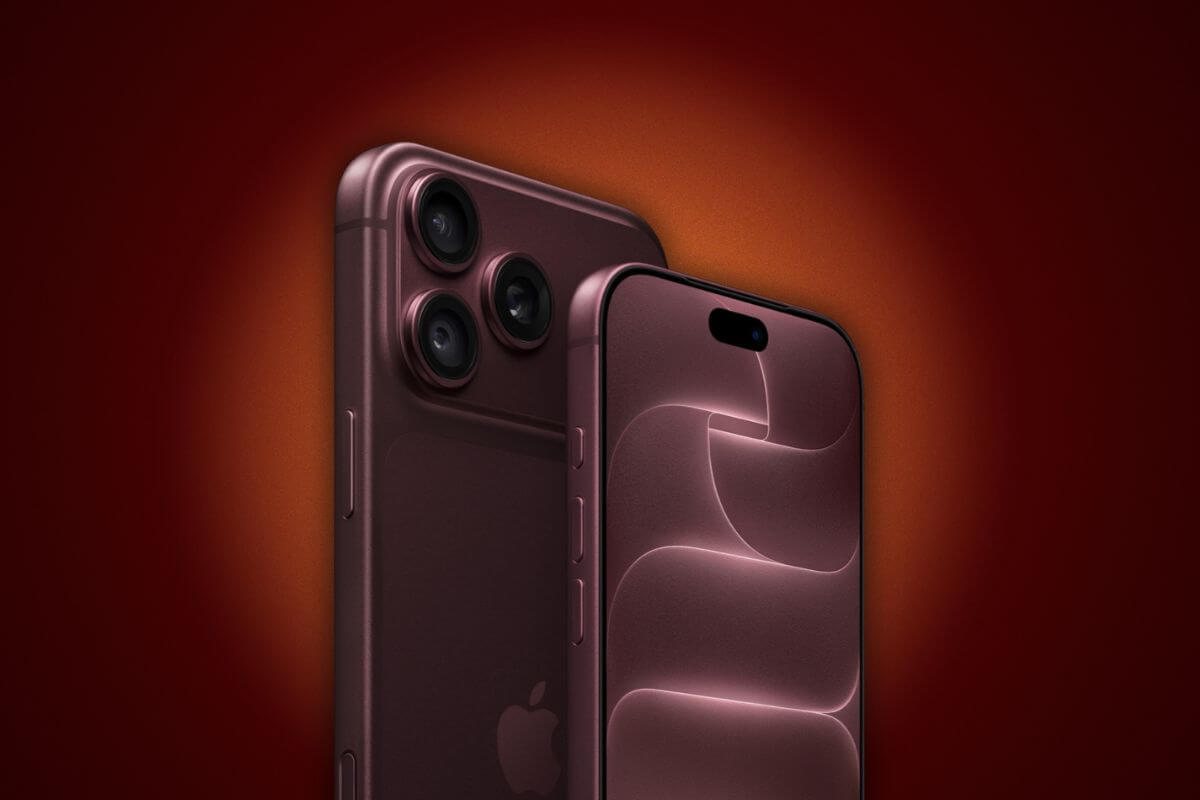
Loop Capital downgraded Apple stock from Buy to Hold and lowered its price target from $370 to $330, warning that Apple may never recover about 13 million iPhone shipments cut from its 2026 production plans.
The investment firm previously believed memory and processor shortages had simply delayed those shipments into 2027. However, new supply chain checks have prompted it to abandon that expectation.
Loop Capital now forecasts 79 million iPhone shipments for the December quarter, down from 85 million, while reducing its estimated average selling price from $1,239 to $1,123.
Apple’s Split iPhone Launch Complicates Sales
Apple’s decision to stagger the iPhone 18 lineup is adding to the uncertainty.
The iPhone 18 Pro models launched in September, with the foldable iPhone Duo arriving October 23. However, the standard iPhone 18, iPhone 18e, and iPhone Air 2 aren’t expected until spring 2027.
That leaves Apple without its usual lower-priced flagship during the holiday shopping season, when standard iPhone models typically generate substantial sales volume.
Recent smartphone market research attributed much of Apple’s third-quarter shipment decline to the missing standard model.
Despite the decline, Apple still captured a record 22% share of global smartphone shipments, even as the overall market reportedly contracted 20% year over year.
More iPhones, but Less Revenue in 2027
Loop Capital actually expects Apple to sell more iPhones next year than previously forecast, projecting 260 million shipments in 2027.
The concern is that those devices will sell at lower average prices, reducing the revenue Apple generates despite higher shipment volumes.
As a result, the firm cut its 2027 iPhone revenue forecast from $315 billion to $285 billion, a $30 billion reduction. Rising memory costs could further pressure Apple’s profit margins.
One potential bright spot is the iPhone Duo. Apple reportedly increased production orders for its $1,999 foldable this week, suggesting early demand may be stronger than anticipated.
Whether those additional sales can offset the broader shortfall remains unclear, particularly with Apple’s standard iPhone models missing the entire holiday quarter.

