
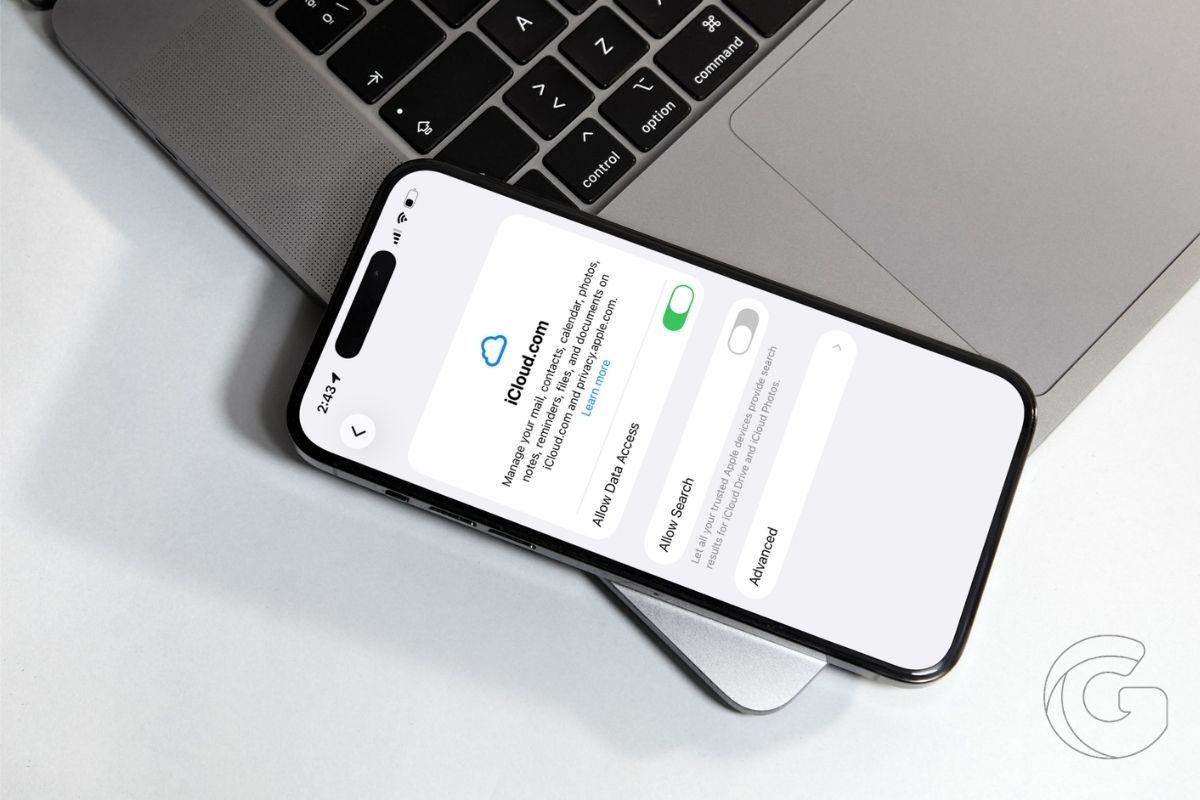
A British tribunal has approved a £3 billion class action against Apple, clearing the way for a trial that could put up to £77 in the pocket of every qualifying iPhone or iPad owner in the UK.
The Competition Appeal Tribunal ruled that consumer group Which? can proceed with the case on behalf of an estimated 40 million UK users.
A trial date has been set for October 2028, with the total claim valued at roughly $3.9 billion.
What the Case Is Actually About
Which? argues that Apple has deliberately constrained how competing cloud storage services operate on iOS and iPadOS since 2015, steering users toward iCloud subscriptions at prices the group says were artificially inflated.
Apple offers 5GB of free storage to every user, but that ceiling fills up fast on a modern iPhone. Once it does, the path of least resistance leads to a paid iCloud tier, with UK pricing starting at 99p a month for 50GB and reaching £54.99 a month at the 12TB level.
The complaint centers on system-level integration. Apple Photos captures and stores images directly to iCloud, while third-party services such as Google Photos or a personal NAS drive require manual steps that most users never take.
Which? contends that the arrangement is not an accidental design but a calculated means of limiting real competition.
Who Qualifies and What Happens Next
Eligibility covers anyone who used iCloud on a UK-registered device between November 8, 2018, and June 8, 2026.
People living in the UK as of June 8 are automatically included unless they opt out before October 8.
Anyone who was outside the UK on that date must actively opt in by the same deadline. Users who started using iCloud after June 8, 2026, are not covered.
Apple has not accepted any of the allegations. The company maintains that iCloud is entirely optional, that alternatives are readily available, and that the tribunal reached the wrong conclusion.
Apple said it intends to appeal the certification decision before the case advances further.
The Legal Question Apple Will Have to Answer
Which? Chief Executive Anabel Hoult said the tribunal’s approval signals that no company, regardless of its size, can avoid scrutiny of how it uses its market position.
She described the ruling as a step toward “redress we believe consumers are owed.”
Competition law in the UK does not require proof that users were literally forced into a purchase.
Regulators and courts typically examine whether a dominant platform designed its environment in a way that made rival services practically inferior, even if those services technically existed.
That is the ground where this case will be argued. Which? must still demonstrate market dominance, anticompetitive conduct, and a direct link to higher prices paid by consumers.
Certification means the tribunal considers those arguments worth testing, not that Apple has been found liable for anything.
The 5GB free storage limit has not changed since iCloud launched in 2011, when the smallest iPhone shipped with 8GB of total storage.
Today’s entry-level iPhone starts at 256GB, and the camera shoots 48-megapixel photos and 4K video. The free tier remains frozen at 5GB.

