
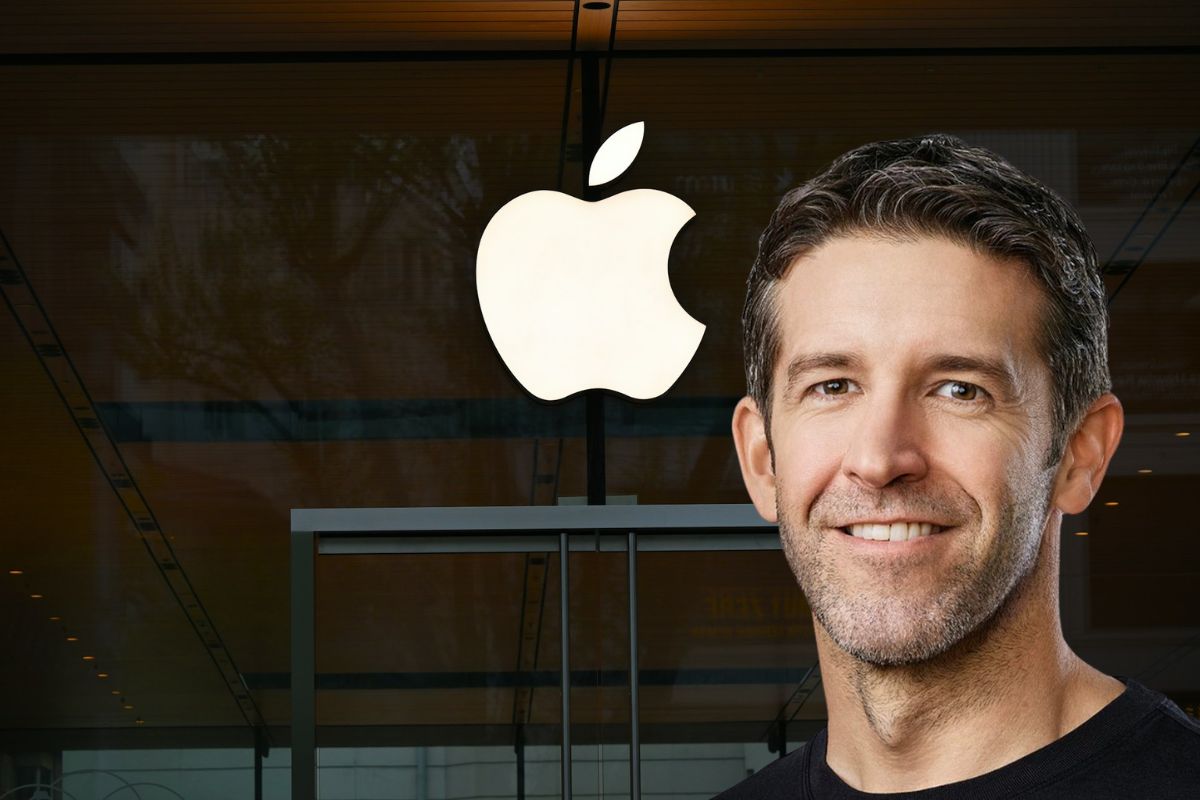
Apple has pledged $25 million to build President Donald Trump’s new White House ballroom, matching a contribution from Nvidia and making both companies among the project’s largest corporate donors.
The commitments appear on a leaked donor list obtained by The Washington Post, which details $333 million in private funding pledges.
Microsoft, Amazon, Google, Meta, and several other major technology companies also appear on the list, although their contributions vary. Google’s payment reportedly comes from a lawsuit settlement rather than a direct donation.
Some companies have already paid their commitments in full, while others are making payments in installments.
How the Donations Are Being Handled
The donor list includes details the Trump administration has not publicly released, including how much individual companies have committed.
According to the documents, a nonprofit organization collects donations before transferring them into a White House account controlled by Trump.
Following the leak, a White House spokesperson said the administration would “relentlessly pursue those responsible” for disclosing the information.
The ballroom itself is a substantial undertaking. Trump has described a 90,000-square-foot facility that can accommodate 1,000 guests, with the White House’s East Wing demolished to make room for construction.
Its final cost remains unclear. A contractor estimate from June placed the project at roughly $600 million, with more than half expected to come from taxpayer funds.
Also: Apple and Meta just did something nobody expected, and it requires two $10,000 Macs to use
Apple’s Growing Financial Ties to Washington
The $25 million pledge adds to Apple’s financial commitments to the Trump administration, as major technology companies seek to maintain relationships with Washington on issues that affect their businesses.
For Apple, those relationships carry particular importance given the administration’s influence over tariffs, manufacturing policy, and international trade.
The leaked documents also raise questions about transparency surrounding the ballroom’s financing.
Until the donor list surfaced, the public had little information about how much individual companies had committed or how the money was being collected.
Whether the nonprofit arrangement creates any legal disclosure obligations remains unresolved.

