
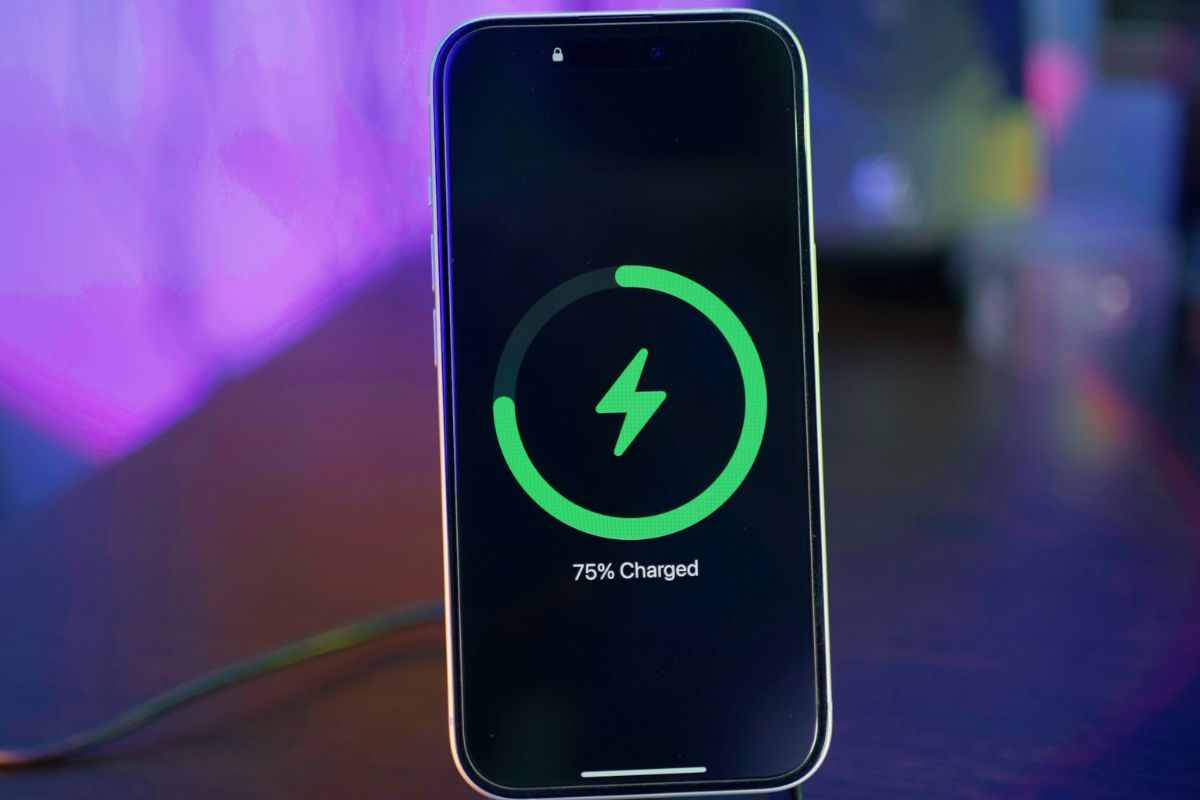
If you rely on MagSafe to charge your iPhone at night or snap a wallet onto the back before heading out the door, you might want to pay attention to what’s brewing inside Apple right now.
Apple’s internal attitude toward MagSafe has reportedly shifted significantly. What was once a feature the company aggressively pushed has apparently become a point of contention.
Engineers and decision-makers are now weighing whether the manufacturing cost of keeping those magnets in every iPhone is still worth it.
When Apple launched MagSafe with the iPhone 12 back in 2020, the idea was straightforward: a ring of magnets on the back of the phone for faster wireless charging and easy accessory snapping.
What followed was something much bigger. Dozens of third-party brands jumped in, building wallets, cases, stands, battery packs, and car mounts all designed around that magnetic ring. It became one of those features people didn’t know they needed until they had it.
Apple even explored bringing the same magnet system to the iPad lineup at one point. Reports from 2021 indicated that Apple was testing a glass-backed iPad Pro with wireless charging capabilities.
By early 2022, further details emerged regarding a prototype featuring a large glass Apple logo designed to serve as the primary charging zone.
None of those concepts ever shipped, and the redesigned M4 iPad Pro that arrived in 2024 still launched without MagSafe.
Apple already tested the waters with a MagSafe-free iPhone when the iPhone 16e launched without it, becoming the first new model in years to skip the feature entirely.
The backlash was real. Users who wanted magnetic functionality had to buy third-party cases with built-in magnet rings, which technically work but feel noticeably worse than the native version. Apple reversed that decision pretty quickly, and the iPhone 17e shipped with MagSafe restored.
That back-and-forth makes this latest development feel more complicated. If Apple just brought MagSafe back to the 17e after hearing complaints, why would they be debating pulling it from other models?
One possibility floating around is that MagSafe could quietly become a premium-only feature, reserved for Pro models, while standard iPhones get stripped back to cut costs. Separate reports have already flagged that the standard iPhone 18 may face cost-cutting measures across the board.
There’s another angle worth considering. The upcoming foldable iPhone Ultra, rumored to start at around $2,000, is expected to be just 4.5mm thin when unfolded.
Dummy models of the device show no visible signs of the internal magnet array required by MagSafe, and the most straightforward explanation is that the phone is simply too slim to accommodate the hardware.
If accurate, a $2,000 flagship would launch without a feature found on far cheaper iPhones.

