

Leaks like this are supposed to be boring. A millimeter shaved here, a camera tweak there, and everyone moves on.
But the latest dummy units for the iPhone 18 Pro lineup tell a much stranger story about where Apple is headed next.
The Pro models look exactly like what you’d expect if you’ve been paying attention for the past few years.
The design is steady, the changes are incremental, and even the smaller Dynamic Island feels like a quiet adjustment rather than a headline feature.
Apple knows this formula works because it sells at scale, keeps the upgrade cycle moving, and avoids unnecessary risk.
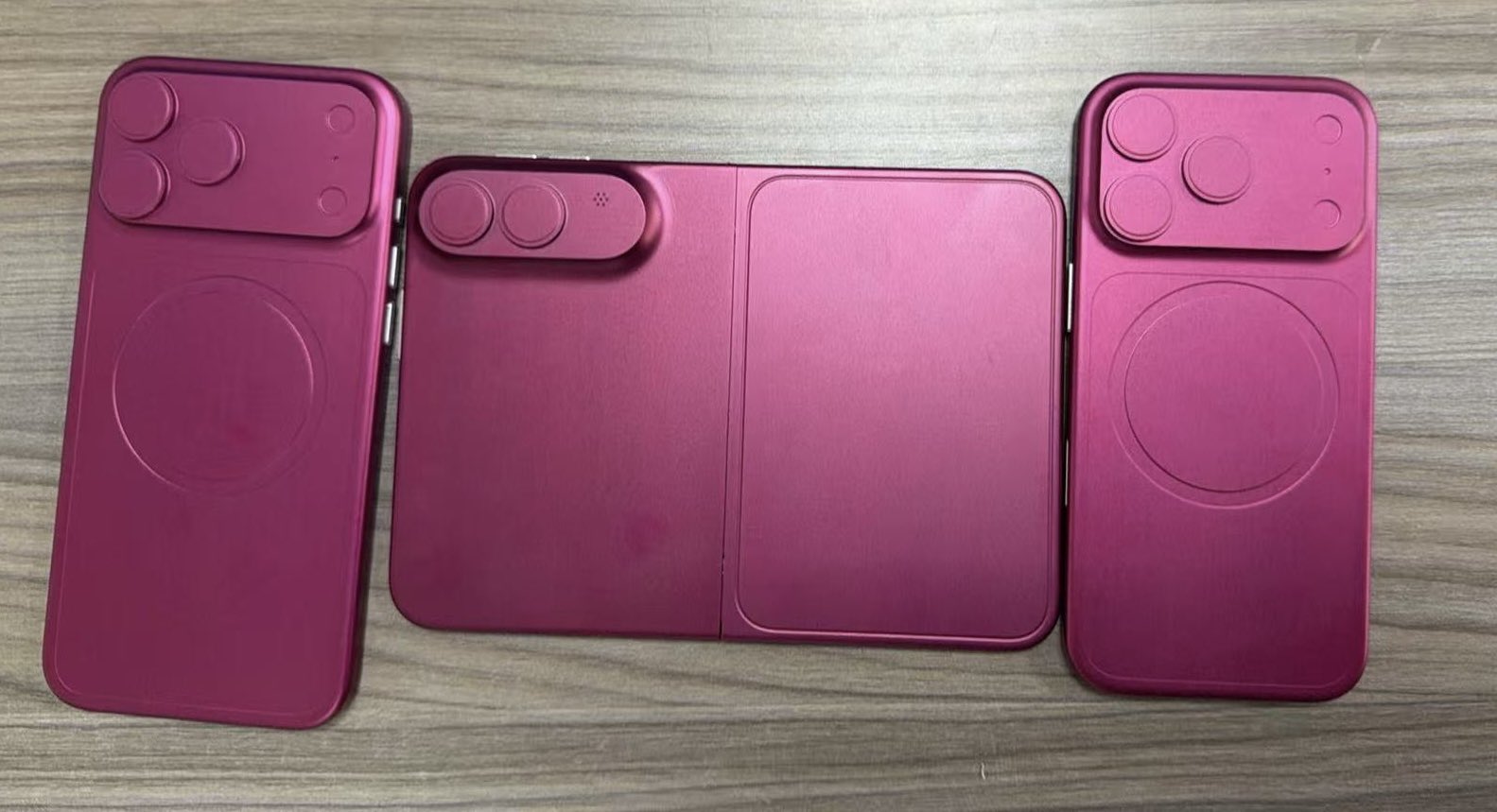
Sitting next to those devices, though, is something that doesn’t follow that playbook at all. The foldable iPhone looks like Apple solving problems it usually refuses to ship.
The design breaks from the clean unibody approach, the camera layout stops short in a way that looks unresolved, and the overall form factor leans into compromise just to make the concept viable.
That alone is unusual. Apple typically waits until it can hide the trade-offs, but here, they’re visible.
And then there’s the price. A device expected to start around $2,000 changes the relationship people have with the iPhone.
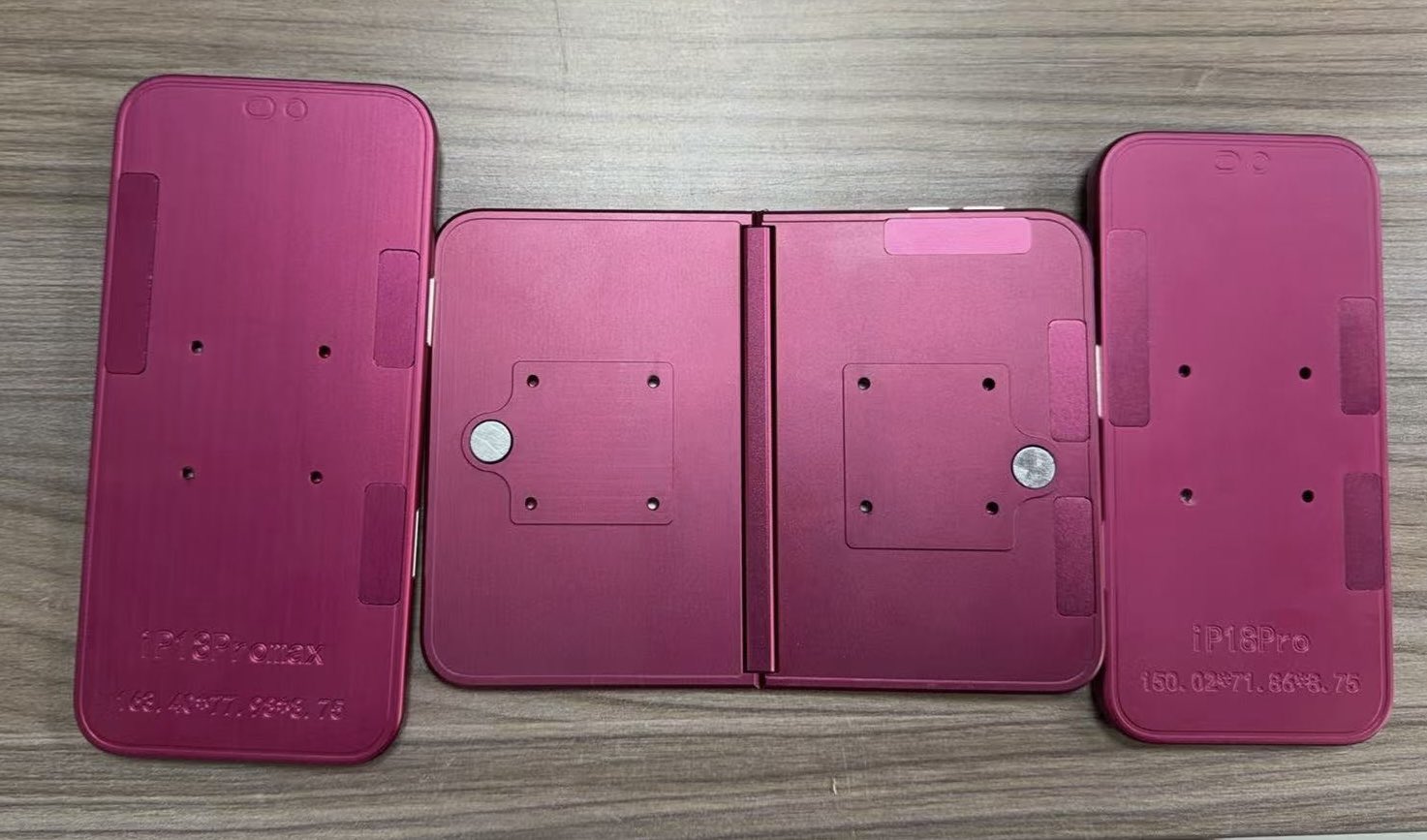
That number pushes it into a different category entirely. It’s no longer an easy annual upgrade decision. It’s a purchase you weigh against a laptop or a tablet, which puts a different kind of pressure on Apple to justify what you’re getting.
There are other signals that this product is being pushed into place. Reports of Touch ID returning point to constraints Apple hasn’t fully solved.
The possibility of a delay suggests the timeline is tight. None of this lines up with the company’s usual approach of releasing products only when they feel complete.
Apple has handled big transitions before. The shift that started with the iPhone X reset expectations and quickly became the standard across the lineup.
What’s different this time is that Apple isn’t replacing anything. It’s layering a riskier idea on top of a stable one and asking its most dedicated customers to decide if it’s worth stepping into something that still looks like it’s being figured out in real time.
Are you excited about where the iPhone is heading, or do you prefer the current direction?

