
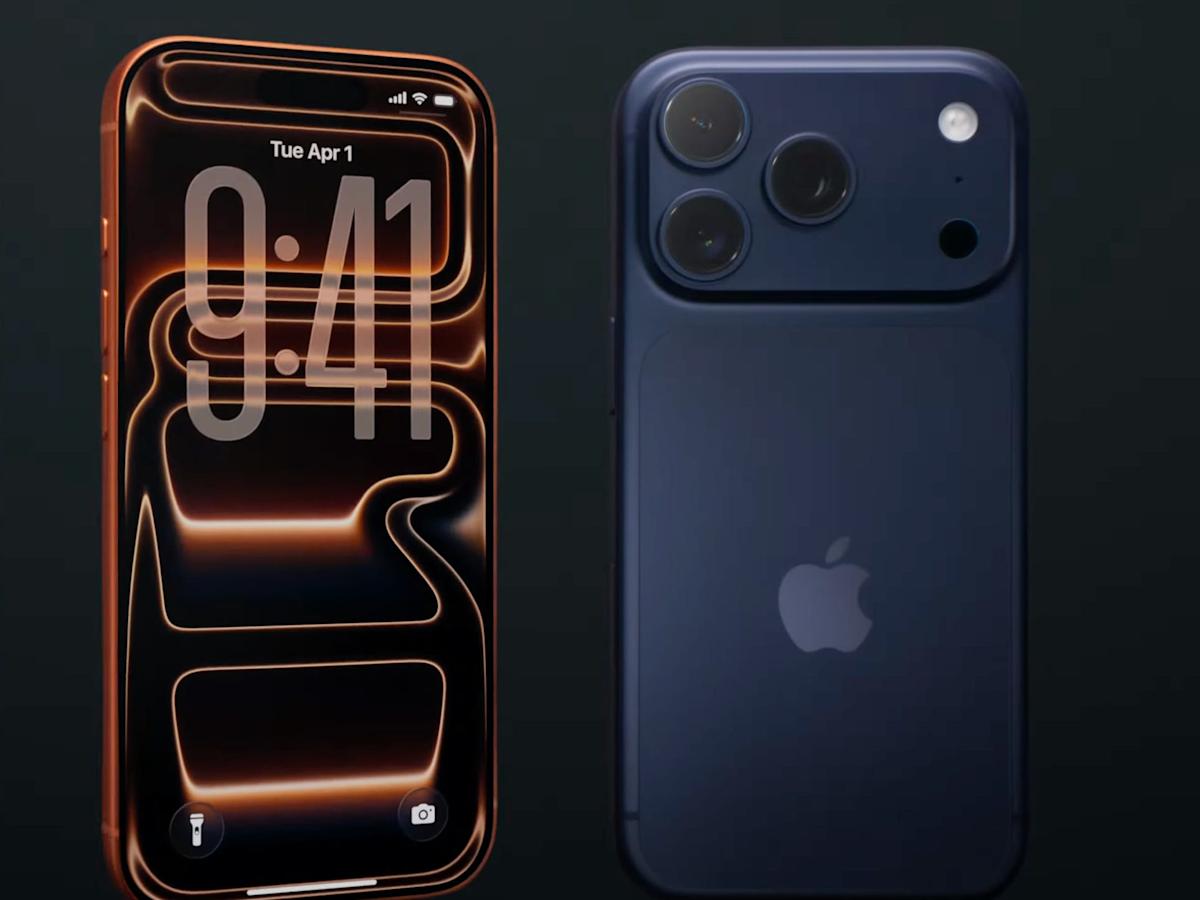
Apple has shifted the iPhone 17 Pro’s OLED panel supply from BOE to Samsung after the Chinese manufacturer failed to meet reliability standards.
BOE had been expected to produce up to 10 million panels for the Chinese market, but technical issues with yield, performance, and LTPO compatibility stalled production.
By the time the problems were resolved in mid-November, Apple had already adjusted its supply plans.
Apple’s efforts to diversify display suppliers make sense on paper, but the reality is complicated.
BOE is cheaper than Samsung or LG, making it attractive for cost management, but repeated problems meeting Apple’s performance requirements show that cutting costs comes at a price.
The company is left heavily dependent on a handful of proven partners, which exposes a vulnerability that most consumers never see.
For users, the impact is tangible. Some iPhone 17 Pro displays show aggressive color calibration, inconsistent True Tone behavior, and subtle differences in brightness and contrast that can be noticeable across devices.
Even when the hardware itself is flawless, these variations affect the user experience and make it harder for Apple to deliver the consistent quality its marketing promises.
Samsung will now cover BOE’s shortfall, increasing its share of iPhone 17 Pro supply to around 90 million panels.
That ensures Apple can meet demand, but it also underscores how much the company relies on a small number of Asian manufacturers for high-spec OLED panels.
Any disruption, technical, political, or logistical, can have an immediate effect on production schedules and product quality.
The takeaway is simple. Apple’s reputation for high-quality devices is intact, but the behind-the-scenes reality is more fragile than it appears.
Cost pressures, supplier performance, and supply chain risks all intersect, and the devices that feel seamless in our hands are the result of careful balancing, not a guarantee that everything always works perfectly.
Do you think Apple should stick with trusted suppliers even if it costs more, or keep trying cheaper options? Join the conversation.


Some current iPads and recent iPhones suffer from pink/green shimmer on white. I would like to know if these are LG or BOE displays causing difficulties for some. Some new iPhone Pro models have less peak brightness, poorer contrast and whites which shimmer green and pink as opposed to their non Pro counterparts. Samsung displays have traditionally been noticably warmer, great contrast and better viewing angles on intel MacBooks (and haven’t suffered from the burn-in issues and reflective coatings wearing off that the LG panels did) so I think it’s likely the same here. I think most MacBooks are LG screens now rather than Samsung sadly.