
What is the one company Apple has spent years positioning itself against when privacy comes up? Google. So why did Apple just build the core of its AI platform using Google’s own technology?
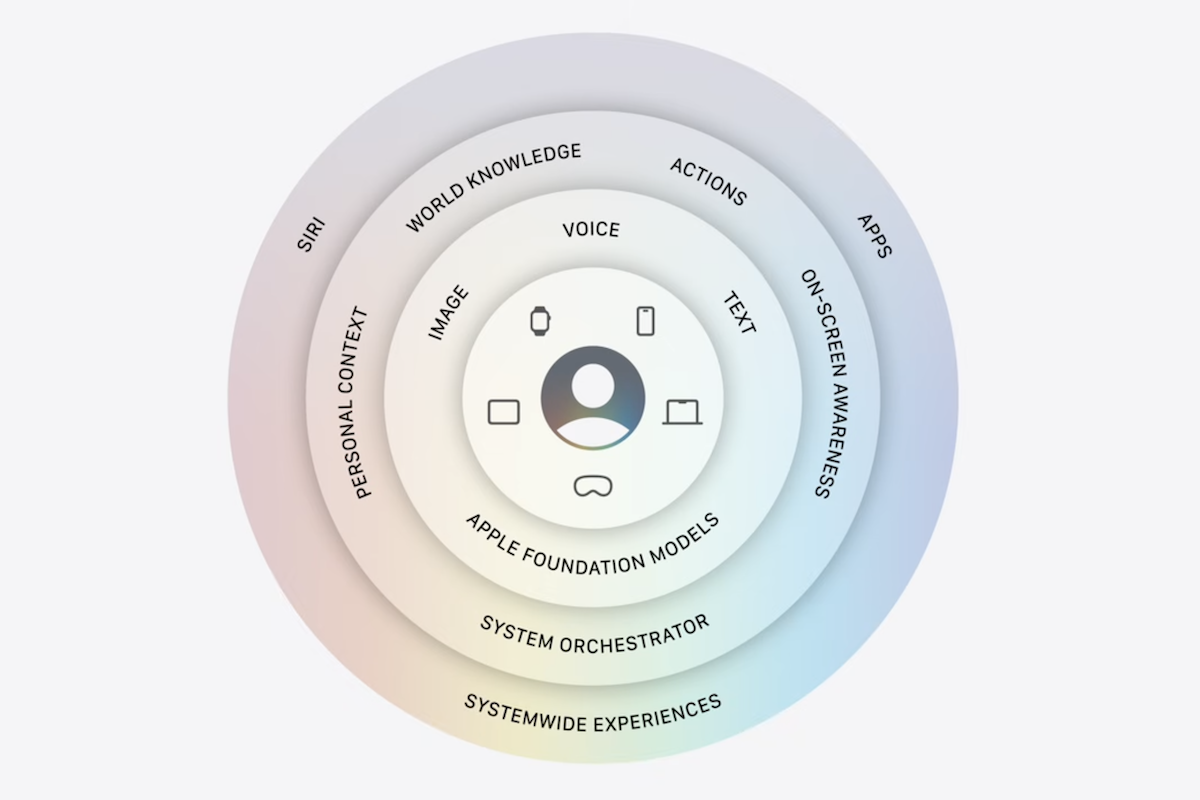
At WWDC 2026, Apple confirmed that the foundation models now powering Apple Intelligence were co-developed with Google, drawing on the same underlying work behind the Gemini family.
That is not a minor vendor arrangement. Apple called the collaboration “deep” and said it represents a “huge upgrade” for the platform.
So What Actually Changed Under the Hood
The updated models run on both your device and Apple’s Private Cloud Compute servers, which Apple has been building out for some time.
The big additions are multimodal capabilities, meaning the system can now understand and generate both images and text. Realistic image creation, advanced photo editing, and visual question answering all become possible with this update.
A handful of devices will get a higher-power version of these models, unlocking speech generation, sharper dictation, and better natural language understanding. Apple has not yet said which devices qualify for that tier.
The New Brain Connecting All of It
There is also a new system orchestrator sitting at the center of the whole thing. Think of it as a traffic controller that watches what app you are using and what you are actually trying to do, then shapes how Apple Intelligence responds.
Apple’s broader objective is to make its AI features context-aware, allowing them to understand what’s happening across apps and services rather than responding to isolated prompts.
Apple’s Privacy Argument Gets Complicated
Privacy was a central part of Apple’s messaging around the feature. The company said processing occurs on-device or through Private Cloud Compute, with data used only long enough to fulfill a request.
Apple says neither it nor third parties can access that information afterward, and that independent researchers can verify those protections.
Whether people accept that framing is a different conversation. Google built its entire business around data collection, and Apple built its brand around the opposite.
Stitching those two approaches together while keeping user trust intact is a genuinely unusual challenge, and Apple knows it.
The announcement leaned harder into privacy assurances than almost anything else, which tells you something about where the company expects the pushback to land.


Can’t trust Android because-Google. Now can’t trust Apple products because- Google.
Looks like a great opportunity for some company to step up.