
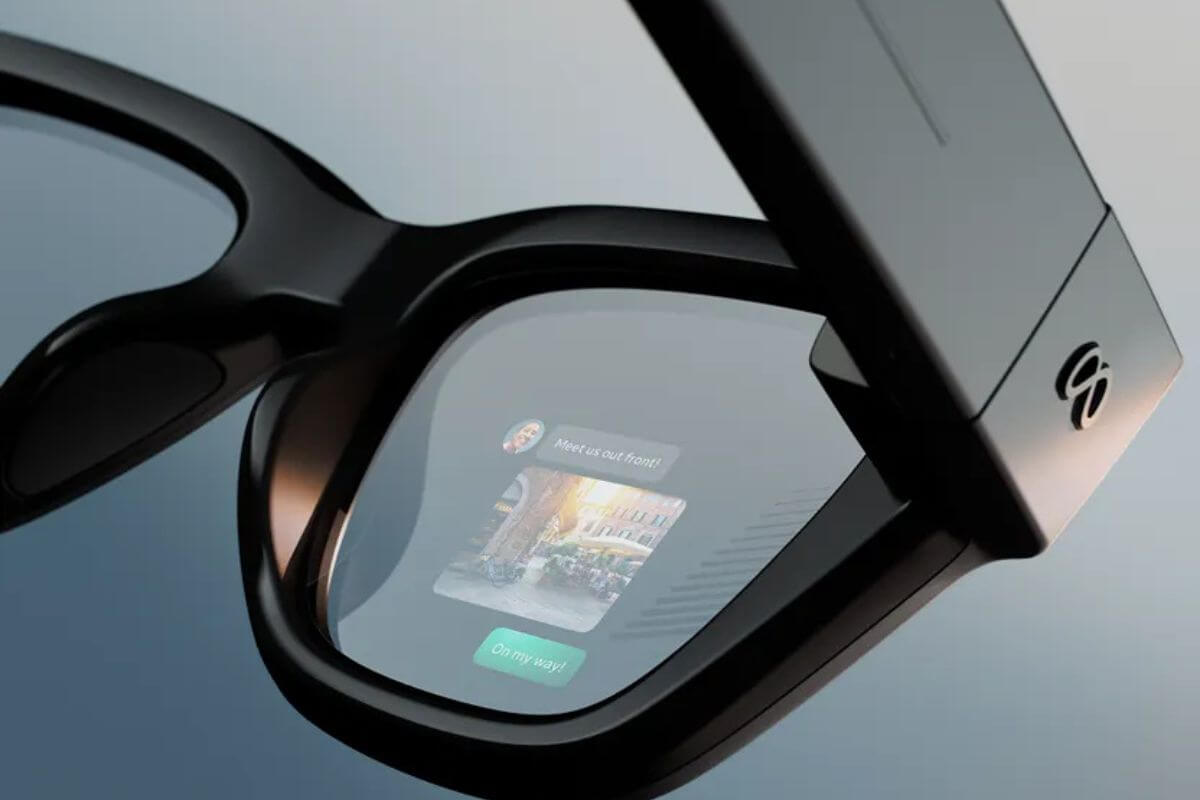
Apple plans to introduce its first smart glasses at WWDC 2027, with privacy protections positioned as the product’s defining feature to differentiate it from competitors like Meta.
The glasses are expected to ship to customers in late 2027. Apple has been testing multiple hardware configurations, including versions with cameras designed solely to power AI features without storing or transmitting photos or video.
The company has also tested a version without cameras, though the final product is expected to include cameras with privacy protections Apple is still developing.
Also: Apple’s ugly war with Europe just took a wild turn after Trump stepped in with a major threat
Why Cameras Are Still Part of the Plan
The tension Apple is navigating is straightforward: cameras make the glasses more capable, but they also fuel the public unease that has followed Meta Ray-Bans since their release.
People have been filmed in coffee shops, on public transit, and in gyms by wearers using glasses that look nearly identical to ordinary frames. Apple’s engineering teams appear to be working through how to offer visual AI assistance without giving bystanders a reason to feel surveilled.
Apple’s marketing will directly contrast its privacy approach with what’s currently on the market. That framing suggests Apple sees the public discomfort around camera glasses as an opening rather than a barrier.
What the Glasses Will Actually Do
Beyond cameras, the glasses will include built-in speakers and microphones. Users would be able to listen to music, take phone calls, and receive Siri notifications without pulling out a phone.
That puts them in direct functional competition with Meta Ray-Bans, which have sold well on the strength of those same basic features.
Apple has not publicly disclosed any specific privacy features or explained how those protections would work in practice.
The company is still prototyping, and the WWDC 2027 announcement would likely precede the late 2027 retail availability by several months.
For anyone who has avoided smart glasses because of recording concerns, Apple’s approach may change the calculation.
Whether the privacy measures go far enough to address how bystanders feel about camera-equipped eyewear worn by others is a separate question that Apple’s marketing alone cannot answer.

