
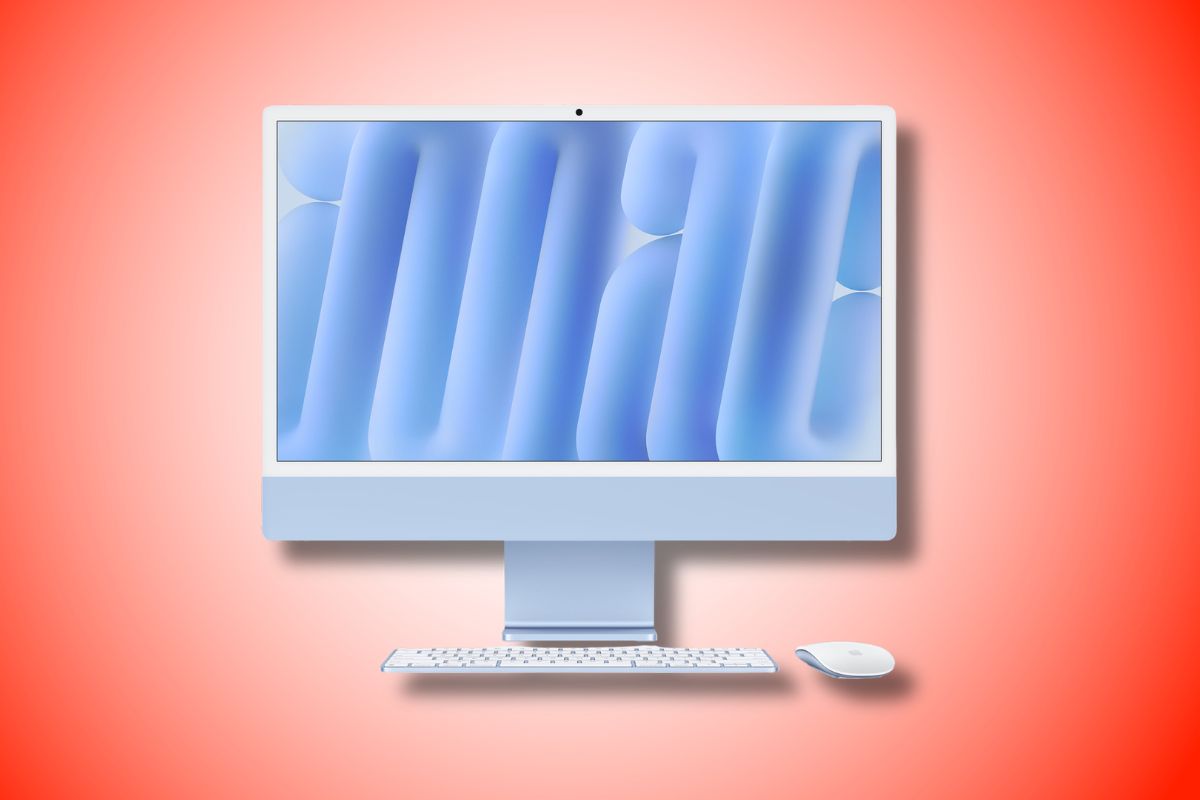
Apple is working on an OLED iMac. That sounds like a big deal until you look at the timing.
According to new supply chain reports, Apple is asking display makers such as Samsung and LG to begin preparing 24-inch OLED panels for a future iMac.
The goal is higher brightness, around 600 nits, with the same pixel density as the current model. On paper, it sure looks like an upgrade.
But, in practice, it feels like Apple is inching forward on something the rest of the industry has been pushing for years.
The bigger issue is when this might actually show up. The timeline being floated lands somewhere around 2029 or 2030. So don’t hold your breath, it’s still several years away from becoming a reality.
Apple could spend the rest of this decade shipping LCD iMacs while OLED becomes standard almost everywhere else. If you care about display quality, that gap matters.
It’s not like Apple doesn’t know how to do OLED well. The iPhone and iPad Pro already prove that. The problem is how slowly that technology is making its way to the Mac.
The current 24-inch iMac still uses a 500-nit LCD panel. It looks fine, but it doesn’t stand out anymore. Moving to 600 nits with OLED should feel like a leap, yet the numbers here suggest something more cautious.
There’s also the question of what Apple thinks the iMac is supposed to be. The MacBook lineup keeps getting fast updates and meaningful improvements.
The iMac feels like it’s on a much slower track, getting chip bumps while the rest of the experience stays mostly the same. A long wait for OLED doesn’t help that perception.
By the time this OLED iMac shows up, the expectations will be completely different. Displays are moving quickly. Brighter panels, better efficiency, new manufacturing techniques.
Apple has the resources to lead here. Instead, it looks like it’s taking its sweet time with a product that once defined the desktop experience.

