
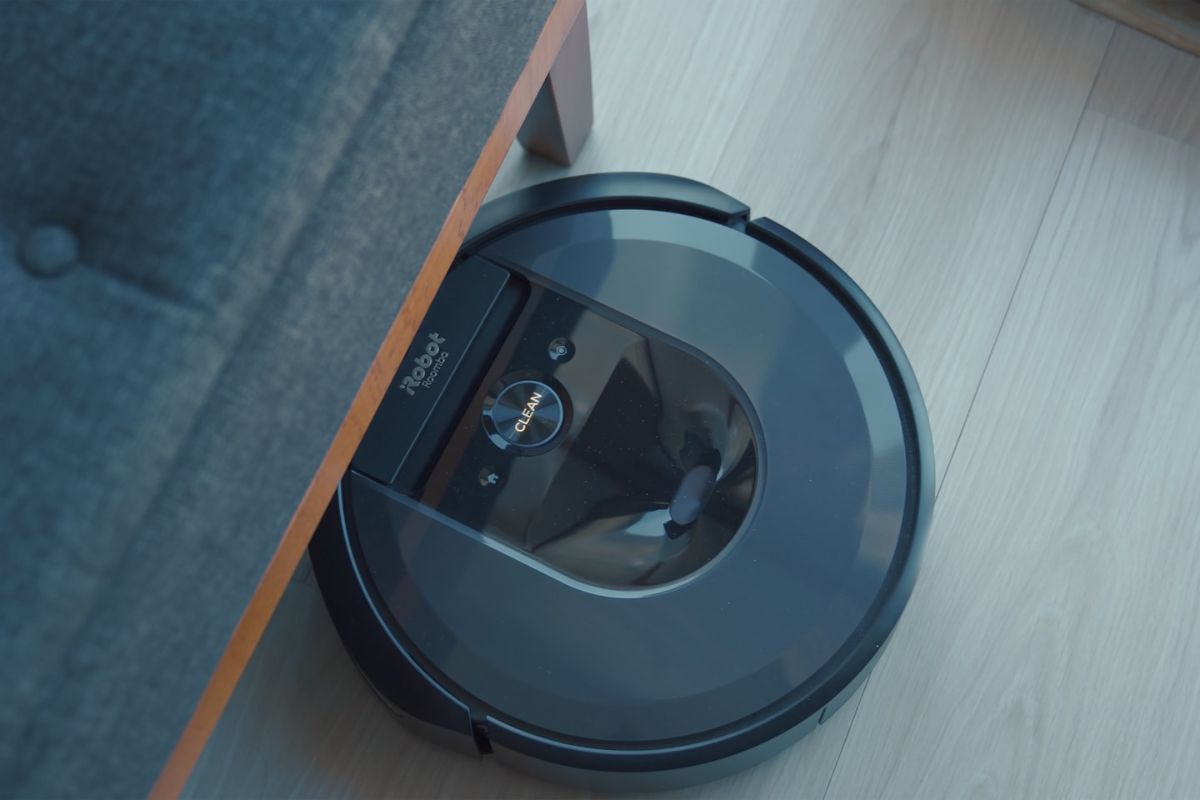
The FCC has added foreign-made mobile robots to its Covered List, barring new robot vacuums from entering the U.S. market.
While existing models remain on sale, future Matter- and HomeKit-compatible vacuums from brands like Roborock and Ecovacs can’t launch in the U.S. unless manufacturers shift production domestically or secure a regulatory exemption.
The ruling covers what the agency defines as software-controlled autonomous robots capable of navigating a space and perceiving their environment through onboard sensors.
That definition pulls robot vacuums squarely into the ban alongside humanoid robots, quadruped robots, and foreign-made power inverters.
Why Robot Vacuum Buyers Feel This Most
Nearly every robot vacuum sold in the U.S. is either made in China or owned by a Chinese company.
That includes iRobot, the Massachusetts-based maker of Roomba, which went through bankruptcy and was acquired by a Chinese firm.
Consumers shopping for a new model that works with Apple HomeKit or the Matter smart home standard will find their options shrinking as companies that have not pledged U.S. manufacturing investment cannot bring new products to market.
Brands already selling vacuums in the U.S. can continue moving existing inventory, so current models remain available for now.
New product lines, including next-generation vacuums with updated Matter support or deeper HomeKit integration, require government approval before they can be imported and sold.
What Approval Actually Requires
The approval pathway does not involve a security audit. According to FCC documentation reviewed by The Verge, a company seeking clearance must commit to investing in U.S. manufacturing.
No formal review of the device’s data practices or network security is required, despite the FCC framing the ban around national security risks from networked robots that could be used to collect surveillance data on Americans.
The agency’s stated concern is that internet-connected robotic systems create vulnerabilities allowing outside actors to remotely control devices and monitor U.S. homes.
Robot vacuums map floor plans, use cameras in some models, and connect to home Wi-Fi networks, making them a particular focus of that concern.
What Changes for Apple’s Smart Home Ecosystem
For users building a HomeKit-based smart home, the practical effect is a narrower selection of compatible robot vacuums going forward.
Roborock and Ecovacs are among the most prominent suppliers of Matter-enabled vacuums that integrate with Apple’s platform.
Without a U.S. manufacturing commitment from those companies, new certified models will not be available to American buyers.
Whether major Chinese robotics brands will invest in U.S. production to preserve market access remains unclear.
The cost of retooling manufacturing operations is substantial, and the consumer robot vacuum category already operates on competitive margins.
Buyers who have been waiting for next-generation HomeKit-compatible vacuums may face a longer wait or a much shorter list of choices.

