
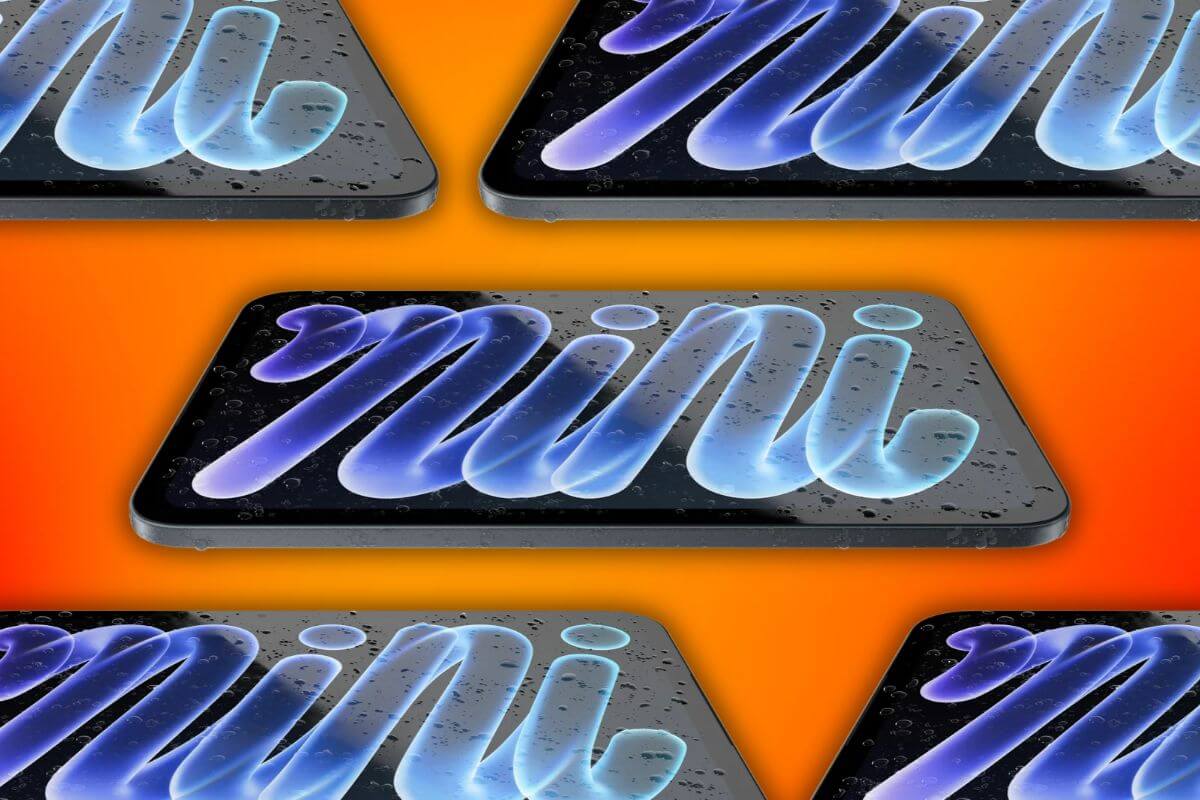
Apple’s new iPad mini brings its biggest redesign in years, with an OLED display, thinner body, and faster A20 Pro chip. But at $699, is it worth replacing the 2024 iPad mini?
The eighth-generation model introduces several meaningful improvements, including water resistance, faster charging, and better connectivity. Still, much of the everyday experience remains familiar, particularly for anyone who already owns the A17 Pro model.
Here’s how the two generations compare and where the upgrade makes the most sense.
iPad Mini 8 vs. iPad Mini 7: Specs Compared
| Feature | iPad mini 8 (2026) | iPad mini 7 (2024) |
|---|---|---|
| Display | 8.5-inch OLED | 8.3-inch LCD |
| Refresh rate | 60Hz | 60Hz |
| Peak brightness | 1,200 nits (HDR) | 500 nits (SDR) |
| Processor | A20 Pro (2nm) | A17 Pro |
| GPU | 7-core | 5-core |
| Thickness | 5.4mm | 6.3mm |
| Water resistance | IP67 | None rated |
| Front camera | 12MP, landscape | 12MP, portrait |
| Wireless | Wi-Fi 7, Bluetooth 6 | Wi-Fi 6E, Bluetooth 5.3 |
| Fast charging | 50% in 30 minutes | No equivalent rating |
| Battery | 18.9Wh | 19.3Wh |
| Starting price | $699 | $499 at launch |
OLED is the biggest reason to upgrade
The most noticeable improvement is the display.
Apple has replaced the 8.3-inch LCD with a slightly larger 8.5-inch OLED panel, delivering deeper blacks, richer colors, and significantly better contrast.
The new screen reaches 1,200 nits of peak HDR brightness and has a 2,000,000:1 contrast ratio. Bezels are also 24% thinner, allowing Apple to fit the larger display into a more compact design.
However, both generations remain limited to 60Hz. The new iPad mini still doesn’t support ProMotion, despite costing $200 more than the previous model did at launch.
For people who primarily read, browse, or take notes, the older LCD remains perfectly usable. OLED makes a stronger case for those who regularly watch movies or value better contrast.
A20 Pro brings faster graphics and AI performance
The new A20 Pro uses a 2nm manufacturing process and offers considerably more processing power than the A17 Pro.
Apple claims up to 2.7x faster graphics performance and 4.5x faster AI performance. Memory bandwidth also doubles to 115.2 GB/s.
There is a difference between configurations, however.
The 128GB and 256GB models feature a 5-core CPU and one 16-core Neural Engine. The 512GB version gets a 6-core CPU and two Neural Engines, for a total of 32 cores.
These gains should benefit demanding games and AI workloads, but the A17 Pro can still handle most everyday iPad tasks.
A thinner design brings practical improvements
At 5.4mm thick, the new iPad mini is approximately 14% thinner than its predecessor and weighs about 38 grams less.
That reduction could make a difference for people who hold the tablet for long reading sessions.
Apple has also introduced IP67 water and dust resistance, making the 2026 model the first iPad with an official water-resistance rating.
Other improvements include a landscape-oriented front camera, Wi-Fi 7, Bluetooth 6, and fast charging that reaches 50% in approximately 30 minutes with a compatible 35W adapter.
The older model lacks these additions, although both support Apple Pencil, Touch ID, and USB-C connectivity.
Battery life and several core features remain unchanged
Despite the slimmer design, Apple advertises the same battery life for both generations.
The new model actually has a slightly smaller battery, dropping from 19.3Wh to 18.9Wh.
Storage capacities and USB-C transfer speeds also remain unchanged, while color choices have been reduced from four to two: Midnight and Starlight.
An optional nano-texture display is available on the new model for $100 extra, but only with 256GB or 512GB of storage.
Should you upgrade from the 2024 iPad mini?
For most 2024 iPad mini owners, there’s little reason to rush an upgrade.
The A17 Pro model remains fast enough for reading, streaming, browsing, and note-taking. Its smaller LCD screen may not look as impressive, but it still handles those tasks well.
The OLED display is the strongest argument for upgrading, especially if you frequently watch HDR content or prefer deeper blacks and better contrast.
A lighter design, water resistance, and faster charging add value, but they’re unlikely to justify the $699 price tag on their own.
For first-time buyers, the decision is different. The new iPad mini starts at $699 for Wi-Fi and $849 for cellular, with pre-orders opening October 28 and availability beginning November 6.
Apple has discontinued the 2024 model, but remaining stock at third-party retailers could be a better value, especially if the price difference is substantial.

