
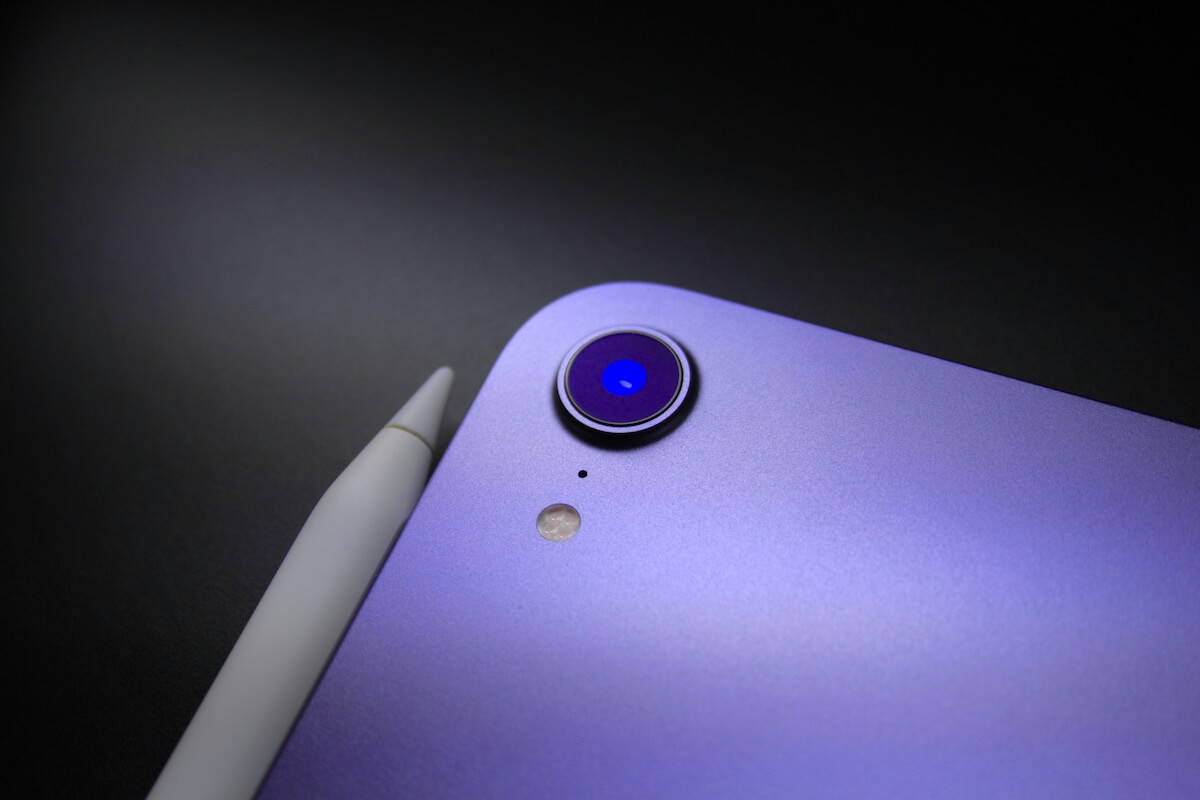
Apple’s next iPad mini is shaping up to be one of the biggest updates to the compact tablet since its 2021 redesign, with an OLED display and an expected A20 Pro chip, along with changes to the design, cameras, speakers, and durability.
Unlike the current model’s relatively straightforward move to the A17 Pro, the iPad mini 8 could change a lot about what it’s like to use Apple’s smallest tablet.
OLED would be the upgrade you’ll actually notice
The iPad mini still uses an LCD display, so moving to OLED would bring the same fundamental advantage already available on Apple’s higher-end iPads and iPhones: individual pixels can turn completely off, producing true blacks and substantially better contrast.
Apple is also expected to shrink the bezels around the display while retaining the iPad mini’s compact dimensions.
The front-facing camera is moving from the portrait edge to the landscape edge, putting it directly above the screen when the iPad is held horizontally.
Apple has already made the same change across its larger iPads, which creates a much more natural camera angle for FaceTime and video calls.
Water resistance would be another first for the iPad mini. Apple has never given the tablet an IP rating, despite its portability making it the kind of iPad people frequently use in kitchens, outdoors, and while traveling.
A redesigned speaker system could eliminate the visible speaker holes around the current enclosure, although it’s not yet clear whether that change will also noticeably improve sound.
A20 Pro brings more than extra speed
The A20 Pro would replace the A17 Pro in the current iPad mini, giving Apple’s smallest tablet a substantially newer processor built on TSMC’s 2-nanometer process.
Apple is also expected to increase memory from 8GB to 12GB. That extra RAM matters for more than keeping apps open in the background because some of Apple’s newer AI capabilities require at least 12GB of memory.
One example is the ability to adjust the pace and expressiveness of Siri’s AI-generated voice, which isn’t available on Apple’s 8GB devices.
Wireless connectivity is expected to move forward as well, with Apple’s N1 chip bringing Wi-Fi 7 and Bluetooth 6. Cellular models could also adopt one of Apple’s own modems instead of relying entirely on Qualcomm hardware.
OLED could make an already expensive mini cost more
The current iPad mini starts at $599 in the U.S. after Apple raised its price by $100 in June, making the small tablet considerably more expensive than it was at the beginning of the year.
OLED panels generally cost more to produce than the LCD technology used in the current model, adding another potential source of pressure on the price.
There hasn’t been a confirmed starting price for the iPad mini 8, however, so it’s too early to assume another increase is coming.
Apple also hasn’t announced the new iPad mini or provided a release date. Earlier reports point to an October introduction.

