
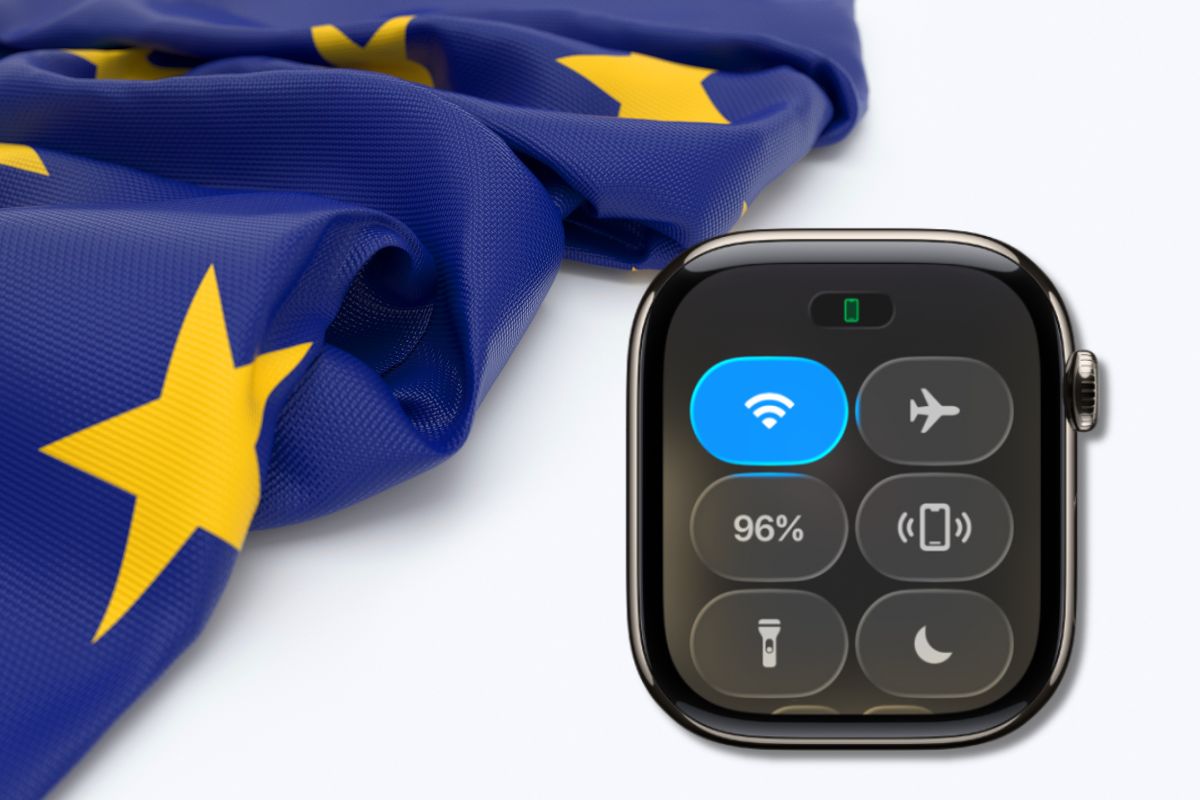
Apple is about to quietly remove a convenience that millions of European Apple Watch owners didn’t even realize they relied on.
With iOS 26.2, automatic Wi-Fi syncing between your iPhone and Apple Watch will no longer work in the EU.
That means when your iPhone connects to a new network, your watch won’t automatically follow along.
Also: Apple quietly added a feature in macOS 26.1 that makes third-party clipboard apps look obsolete
Instead, you’ll have to type in passwords manually when your phone isn’t nearby. It’s a small change on the surface, but it hits at the heart of what makes Apple’s ecosystem feel effortless.
The reason is the EU’s Digital Markets Act, which aims to force Apple to make iOS more open to third-party accessories.
In theory, this is supposed to give users more choice. In practice, Apple sees it as a privacy landmine.
The company warns that complying could give outside companies access to sensitive information like complete Wi-Fi histories and notification data.
Whether that’s overblown or not, Apple fans can’t help but feel personally targeted. Here’s a company that built its reputation on privacy and control, now forced to compromise or at least pretend to compromise.
Also: Apple’s walled garden is starting to crack, and nobody inside can agree if that’s good or bad
From a practical standpoint, the impact is limited. Your Apple Watch will still connect when your iPhone is nearby, and network credentials remain stored once entered manually.
But for anyone who enjoys the seamlessness of Apple devices, this feels like a step backward. It also highlights a tension that Apple fans live with daily: the company wants to protect us, but it also tightly controls the ecosystem, sometimes at the expense of convenience.
What’s striking is Apple’s approach. Instead of creating a middle-ground solution, like an opt-in Wi-Fi sharing API for trusted third-party devices, it’s cutting the feature entirely.
That’s a statement to regulators, competitors, and, yes, its own fans: privacy and ecosystem integrity matter more than frictionless convenience.
For millions of European users, that friction will be tangible, and it could affect loyalty for those who value ease of use over abstract privacy promises.

