
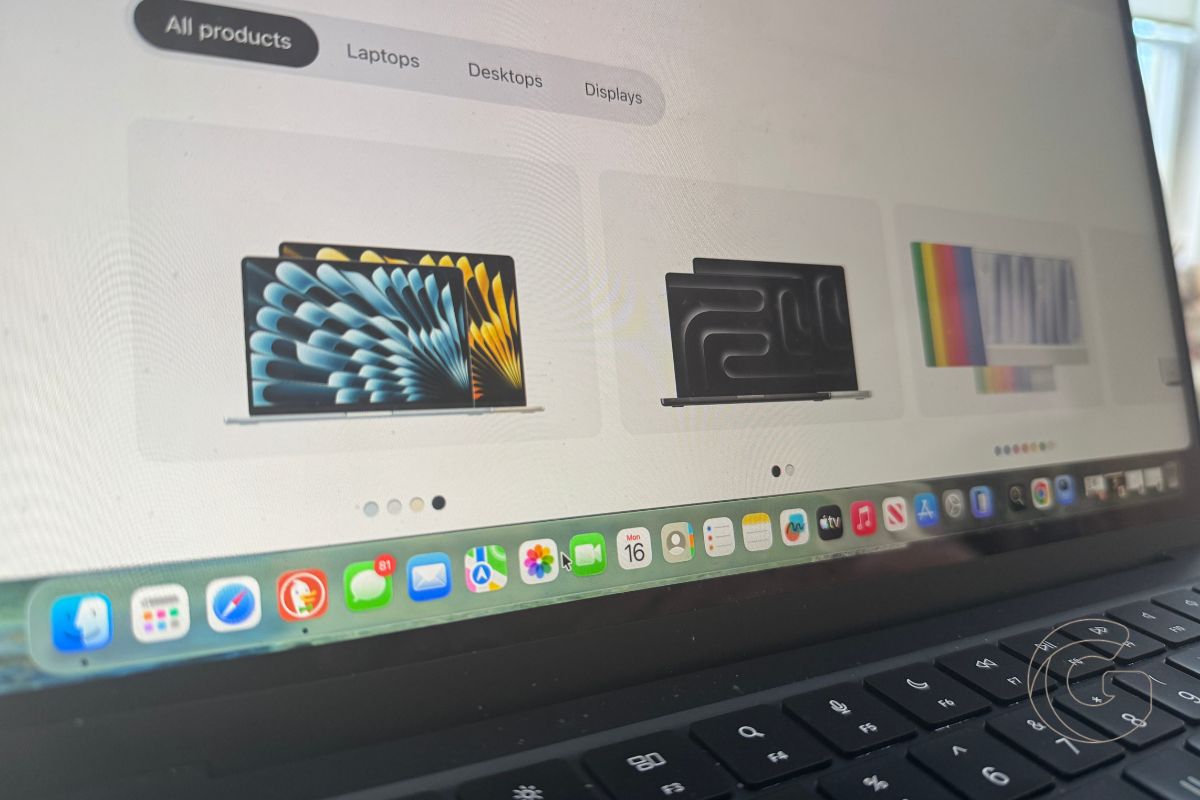
The rumored sub-$1000 MacBook represents something genuinely interesting in Apple’s product strategy, and it’s worth looking past the obvious cynicism about pricing to understand what’s actually happening here.
Let’s start with the chip choice, because it matters more than the colors. If Apple ships this with an A18 Pro instead of an M-series processor, they’re making a calculated bet about performance tiers that could reshape their entire laptop lineup.
The A18 Pro already delivers impressive single-core performance that rivals the M4 in many tasks. For web browsing, document editing, and media consumption (you know, what most laptop buyers actually do), the difference becomes academic.
But here’s where it gets interesting from an economic perspective. Apple controls the entire stack, so they’re not paying Intel or AMD the margins that Dell or HP have to absorb.
An A-series chip costs them significantly less to produce than an M-series chip, even if the performance gap has narrowed considerably. This allows Apple to target price-sensitive markets without cannibalizing its premium lineup.
The education and enterprise markets have been dominated by Chromebooks, not because Chrome OS is beloved, but because $300-$400 gets you a functional device.
Apple has essentially ceded this entire market for over a decade. A $699-$799 MacBook with respectable performance, actual software compatibility, and ecosystem integration could genuinely compete here in ways the iPad never could. Schools and businesses buying in volume would likely see even better pricing.
Now, the elephant in the room: does this give Apple cover to raise prices elsewhere? History suggests yes. The iPhone SE preceded the iPhone X’s jump to $999. The base iPad stayed cheap while the Pro climbed past $1000. This pattern exists.
But I’d argue there’s a more nuanced read. Apple’s pricing strategy has always been about anchoring. They need a reasonable entry point to keep people in the ecosystem, then monetize through services, accessories, and eventual upgrades to premium hardware.
A college student who buys a $699 MacBook today becomes a $1299 MacBook Air customer in five years, plus Apple Music, iCloud storage, and AirPods along the way.
The real question is whether Apple can resist the temptation to compromise too much. The 12-inch MacBook from 2015 failed not because of its single port or Intel M processor, but because Apple priced it like a premium device while delivering a compromised experience.
If this budget MacBook feels cheap rather than cheerful, it damages the brand more than it helps. The colorful chassis feels like Apple hedging that concern.
The playful colors do the positioning work for Apple, setting it apart from the premium lineup. It’s the same strategy that makes the base iPad acceptable in bright colors while the Pro stays in serious finishes.
What’s genuinely unknown is whether mainstream consumers will accept an A-series processor in a Mac. Apple has spent years conditioning people to expect M-series chips as the standard.
Walking that back, even with legitimate performance justification, risks confusion. “Wait, this has an iPhone chip?” isn’t the question you want customers asking in the store.
If Apple gets the execution right (a big if), this could open up market segments they’ve ignored while maintaining margins on premium products.
But, if they get it wrong, it’s just another iPhone 5c situation where the budget option is neither cheap enough nor good enough.

