
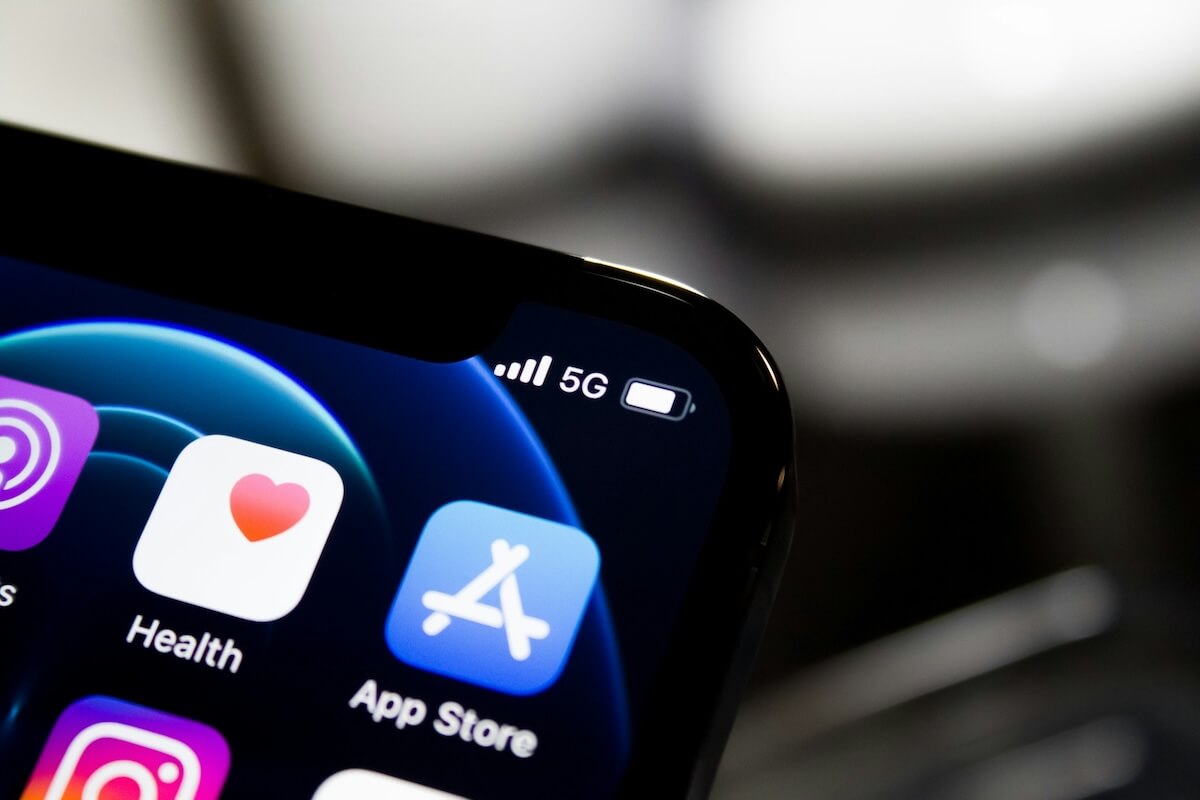
Europe’s highest court today ruled that Apple’s App Store and iOS platform will remain subject to the European Union’s Digital Markets Act, rejecting Apple’s two-year legal effort to shed its official designation as a market gatekeeper.
The Luxembourg-based General Court confirmed that Apple’s five App Stores, covering iPhone, iPad, Mac, Apple TV, and Apple Watch, constitute a single core platform service under EU law. That status carries a specific set of legally binding obligations Apple cannot avoid.
What the Ruling Means for iPhone Users in Europe
For anyone buying an iPhone in the EU, the practical consequences extend well beyond corporate legal disputes.
Under DMA gatekeeper rules, Apple must allow third-party app marketplaces to operate on iOS, meaning European users can install apps from sources outside Apple’s own store.
Apple began complying with that requirement in early 2024, but the company’s legal challenge created uncertainty about whether those changes would stick. Wednesday’s ruling removes that uncertainty.
Gatekeeper status also prohibits Apple from giving its own apps and services preferential treatment over competitors.
So Apple cannot legally rank its own Maps, Music, or Safari above rival services in ways that disadvantage users or developers operating in the EU market.
Apple Loses on iOS, Partial Win on iMessage
Apple had separately challenged the EU’s classification of iOS as a gateway platform, which would require Apple’s operating system to allow rival services to interoperate with it.
The court dismissed that challenge along with the App Store case. Apple did find one narrow opening: the court ruled its challenge against iMessage’s classification as inadmissible, which effectively keeps that dispute alive in procedural terms rather than settling it on the merits.
The DMA applies to platforms that generate at least 7.5 billion euros in EU annual sales, or carry a market capitalization above 75 billion euros, and serve more than 45 million monthly active users across the bloc. Apple meets each of those thresholds by a wide margin.
The Bigger Shift for App Developers
Developers selling software to European customers now have a confirmed legal foundation for demanding access to Apple’s platform on terms set by regulators, not Apple.
That includes the ability to process payments outside Apple’s system and distribute software without going through the App Store at all.
Apple charges commissions of up to 30 percent on in-app purchases, and alternative distribution frameworks under the DMA are structured to reduce that dependence, at least for EU transactions.
Apple filed its original challenge in 2024 after the European Commission formalized the gatekeeper designation.
The company argued that grouping its five separate App Stores into a single platform service was legally flawed. Wednesday’s decision confirms the Commission’s interpretation was sound.

