

Apple has spent the better part of two years telling us Apple Intelligence would change everything.
Notification summaries embarrassed the company, making headlines for the wrong reasons. Writing Tools are fine, roughly as exciting as autocorrect, and getting a confidence boost. Image Playground shipped. Well, people opened it once and moved on.
So it’s a little funny that the feature buried inside the iOS 26.4 developer beta is the one that finally makes a coherent argument for any of this.
Playlist Playground sits behind the same “+” button you’ve tapped in Apple Music a hundred times without thinking.
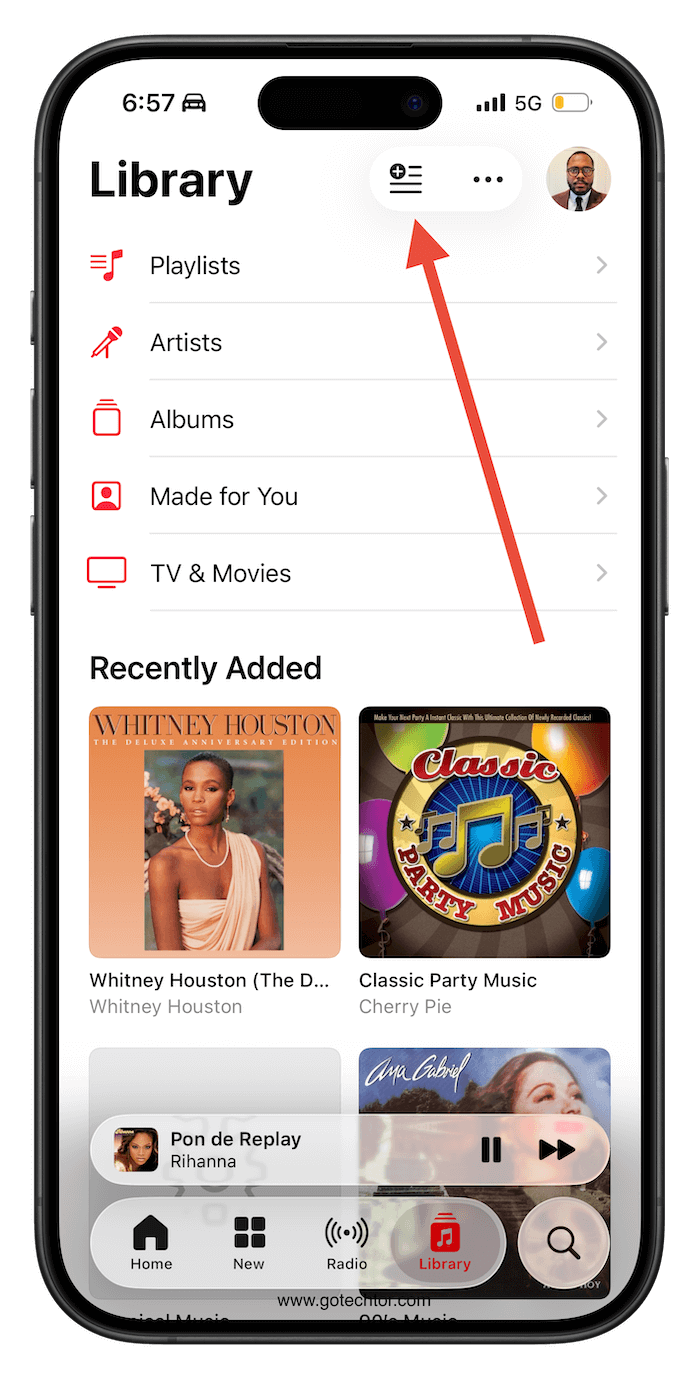
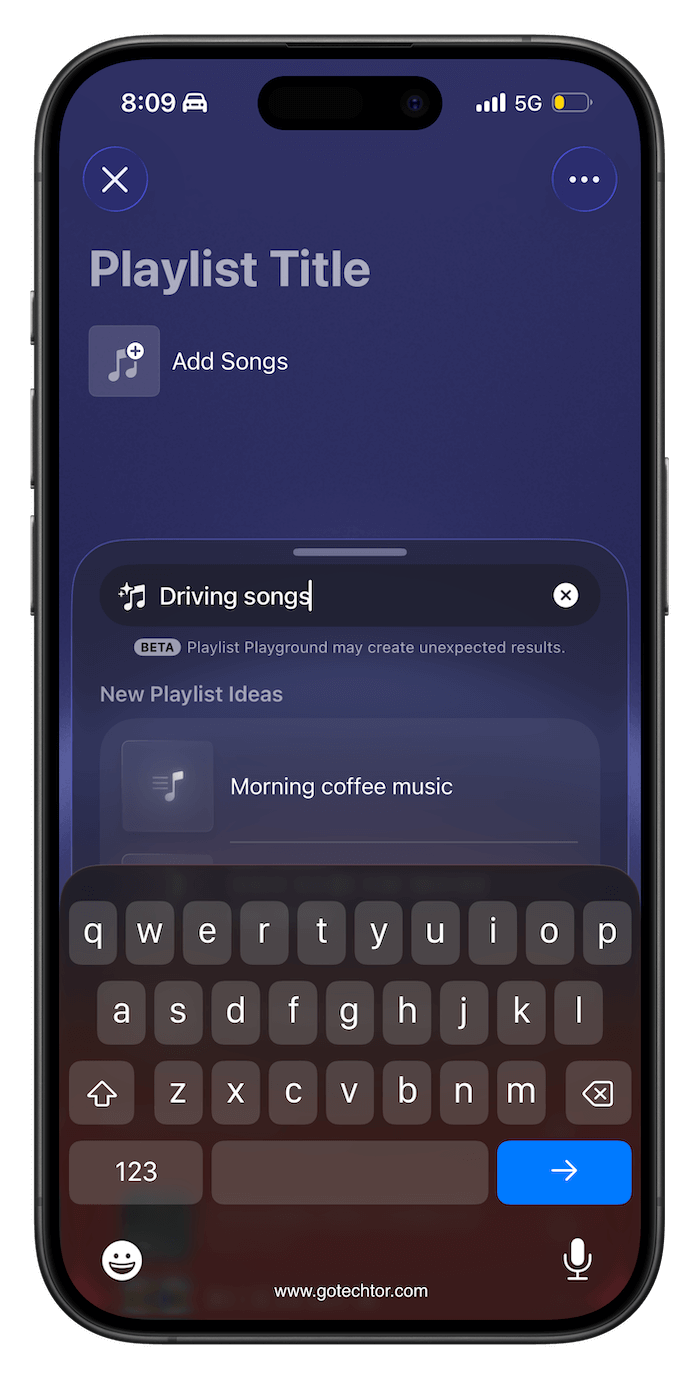
Type in a prompt, basically anything, and Apple Music builds a 25-song playlist around it. It could be “Morning coffee music,” “Disco songs that defined the 1970s,” or something more personal, if you prefer.
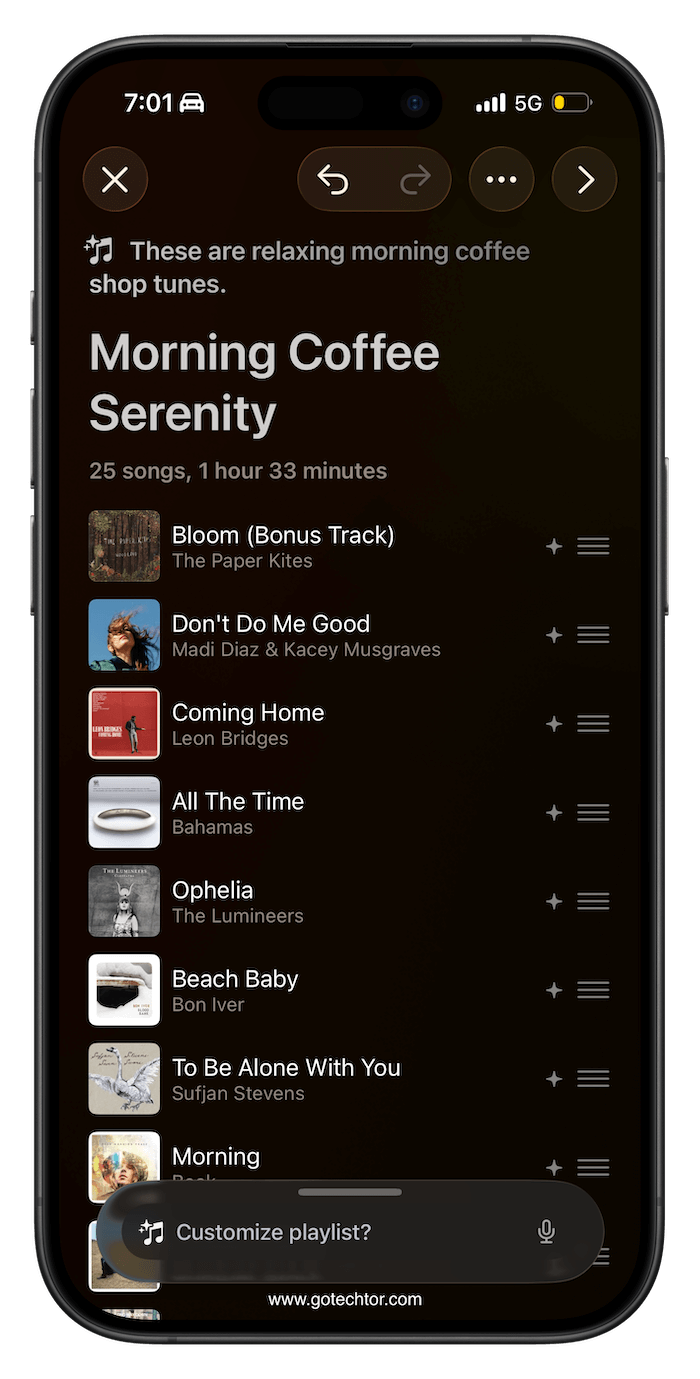
It automatically generates a title, lets you refine it with additional prompts, and shares the finished playlist directly to your profile.
Also: Apple quietly banned Elon Musk’s AI from CarPlay while giving his biggest rivals a free pass
I know what you’re thinking. Yes, Spotify got here first. YouTube Music added something similar recently. Apple is not the pioneer in this particular race.
But the native integration is what makes the comparison slightly awkward for competitors. Apple Music already sits within an ecosystem that includes your library, a decade of listening history, and every device you own.
Spotify’s version of this feature feels like an add-on. Apple has the ingredients to make the app finally do what it should have been doing.
People who remember Beats Music before Apple acquired it in 2014 will feel something familiar here. That app had a genuinely clever mood-based discovery tool that users loved, and Apple quietly removed it when Apple Music launched in 2015.
Playlist Playground is not a resurrection of that feature, but it’s the first time Apple has shown interest in addressing the same problem.
Currently, it’s US-only, and it requires Apple Intelligence-compatible hardware. Most of the world is sitting this one out for now, including the UK, EU, and Canada, where frustration about region-locked Apple Intelligence rollouts has been building for months.
The feature is currently in beta, with a full launch expected this spring.

