
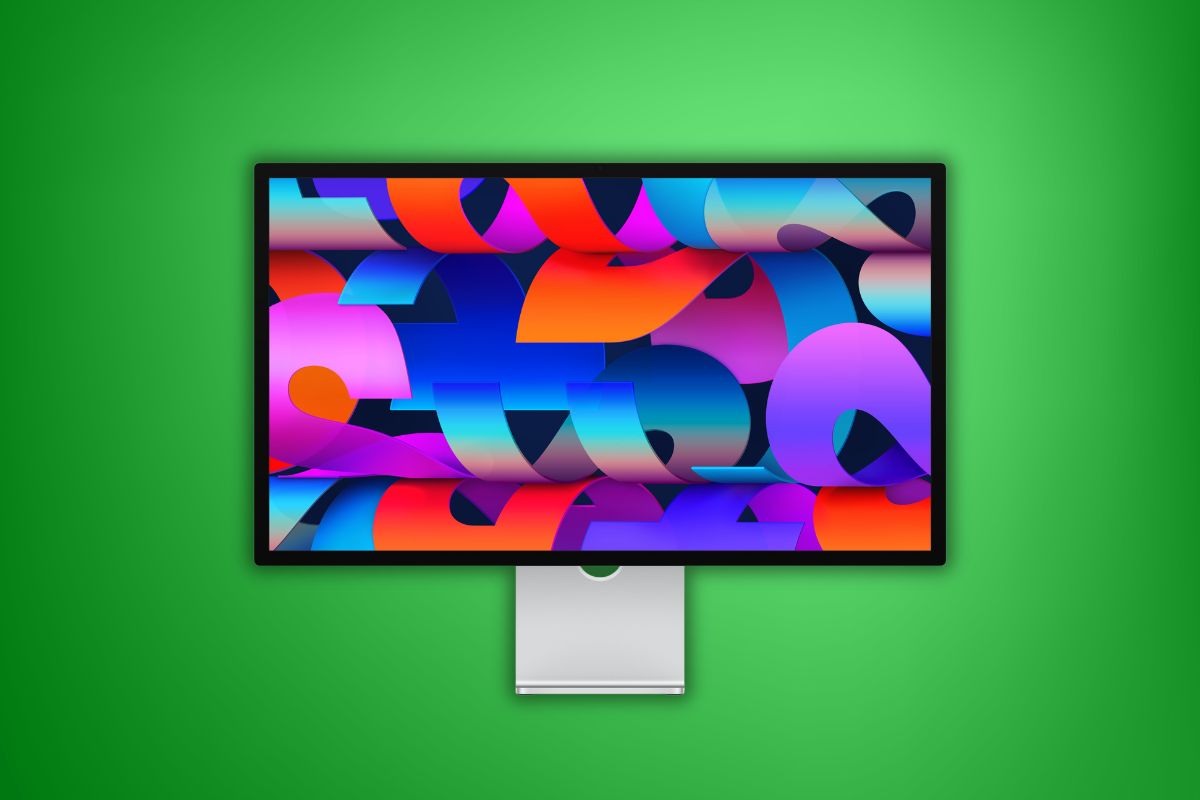
I’ve spent enough time with displays to know when something is technically backwards. If Apple ships the Studio Display 2 with a 90Hz refresh rate as reported, it will be worse than the 60Hz panel the company has been selling since 2021.
The math is simple, but the implications are weird. Watch a 24fps movie on a 120Hz display, and each frame shows exactly five times—clean division, smooth playback.
A 60Hz display uses the standard 3:2 pulldown that’s worked for decades. But 90Hz doesn’t divide evenly into any standard video frame rate.
Also: $143.8 billion revenue, $42.1 billion profit—Apple’s latest quarter puts every competitor to shame
This results in uneven frame pacing, which shows up as visible judder during slow pans and camera movements. Apple is essentially creating a problem to solve one that doesn’t exist.
The bandwidth excuse doesn’t hold up when you see what the competition is doing. LG just unveiled a 27-inch 5K mini-LED display at CES that runs at 165Hz—same resolution Apple is reportedly targeting, but nearly double the refresh rate.
They’re probably using the same panel supplier, which makes Apple’s limitation feel like a deliberate choice rather than a technical constraint.
This gets even more frustrating when you consider how hard Apple has pushed ProMotion over the past five years. Every iPhone since the 13 Pro has 120Hz. The iPad Pro got it back in 2017.
I experience this disconnect constantly, switching between my MacBook Pro’s buttery-smooth display and my Studio Display that feels like it’s running in slow motion by comparison.
Now Apple wants to sell an upgrade that still won’t match the laptop I’ve been using for years? It’s the same playbook as that $999 monitor stand. They create artificial limitations, then act like fixing them two generations later is somehow innovative.
Meanwhile, gaming monitors have reached 540Hz, and Dell is selling a 52-inch 6K display that runs at 120Hz without breaking a sweat.
The technology clearly exists because Apple ships it in every ProMotion device they make. So why are we even talking about 90Hz in 2026, especially when it makes video playback objectively worse than what cheaper displays handle without a second thought?
The Studio Display should represent Apple’s best display technology. Instead, we’re looking at specs that contradict everything the company has spent years telling us about why high refresh rates matter.

