
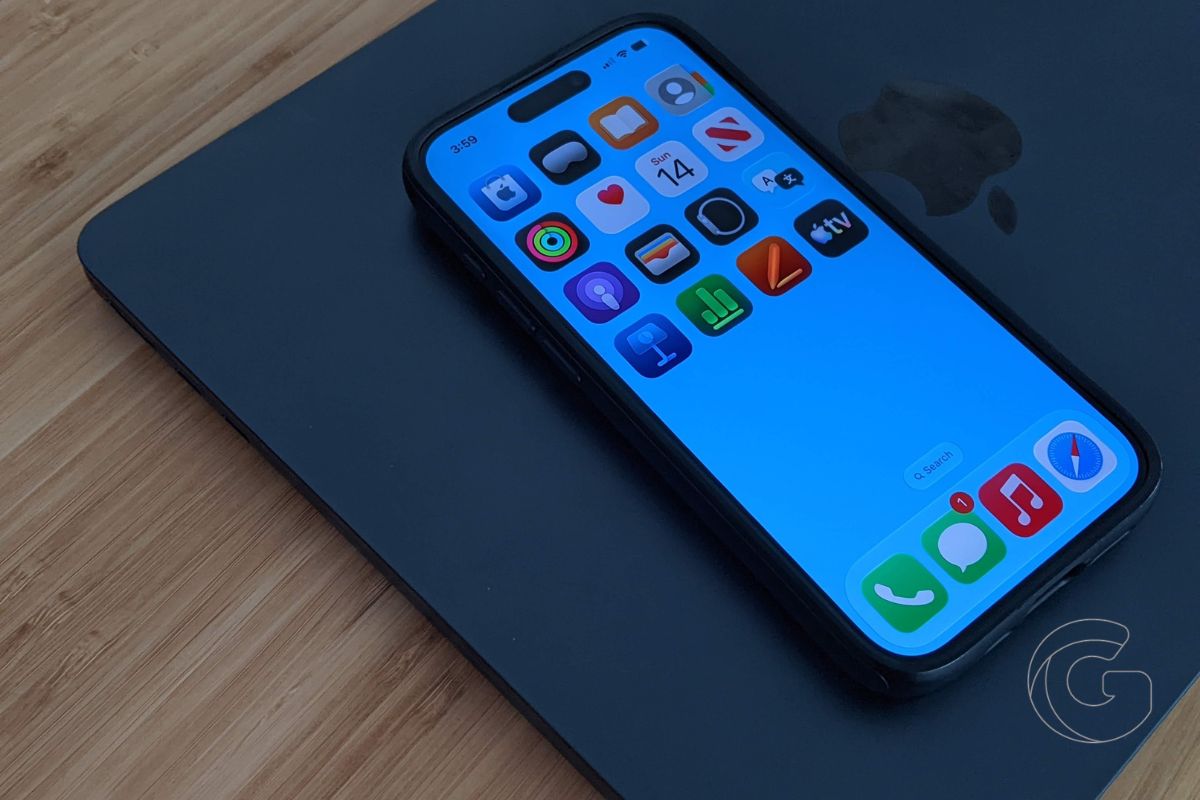
Apple has confirmed that missing a payment on its new Apple Upgrade leasing program will not restrict access to your device, addressing concerns that emerged last week when hidden code in an iOS 27 beta suggested otherwise.
Apple Upgrade launched this week through the Apple Store app, Apple’s website, and retail locations across the United States.
The program lets customers pay a fixed monthly fee instead of the full purchase price for an iPhone, Mac, iPad, or Apple Watch. iPhone plans start at $17.99 per month, iPad and Apple Watch at $11.99, and Mac at $24.99.
Lease terms run 12 or 24 months for iPhone and Apple Watch, and 24 or 36 months for iPad and Mac. At the end of a term, customers can renew, purchase the device outright, or return it.
What Sparked the Concern
Before the program went public, developers combing through a recent iOS 27 beta found references to something called App Managed Features.
The code described a background process allowing an authorized financing partner to check whether a device’s account was in good standing.
If payments lapsed, the system could activate a state called Restricted Mode, which would block access to most third-party apps while keeping a small set of core functions available, including Phone, Settings, the App Store, Clock, and Wallet.
The same code referenced a mechanism called Partner Finance Lock, a new variation of activation lock. Given the timing of the discovery, many observers connected it directly to Apple Upgrade.
Apple’s Direct Response
An Apple spokesperson told The Verge that missed payments or default under Apple Upgrade will not trigger any limitations on device functionality.
In practical terms, a skipped monthly payment will not freeze your apps, disable your Home Screen, or turn a leased iPhone into a device that can only make calls.
Apple did not, however, clarify what the App Managed Features code is actually designed for. That leaves the purpose of the Restricted Mode system an open question.
Who the Code Might Actually Target
Two explanations have circulated since Apple’s statement. One holds that the system was built for carrier and retail financing programs, not Apple’s own leasing offering.
The other suggests it could function as a device management tool for businesses that issue company-owned iPhones to employees.
For anyone enrolled in Apple Upgrade, the company’s position is now on record. A missed payment may carry financial consequences under the lease agreement, but it will not affect how the hardware itself functions.

