

iOS 26.5 doesn’t add the next Siri version that many were expecting. Instead, it points to something else entirely: Apple is preparing to bring advertising into one of its core apps while quietly restoring a major privacy feature it had just pulled back.
The most notable shift is in Apple Maps. Buried in the update is a new “Suggested Places” feature that surfaces locations based on trends and recent searches.
On its own, it feels like a small discovery tweak. But it becomes more significant when paired with the ads that come next.
Apple is laying the groundwork for paid placements inside Maps, with businesses able to promote listings that appear in search results and those Suggested Places recommendations.
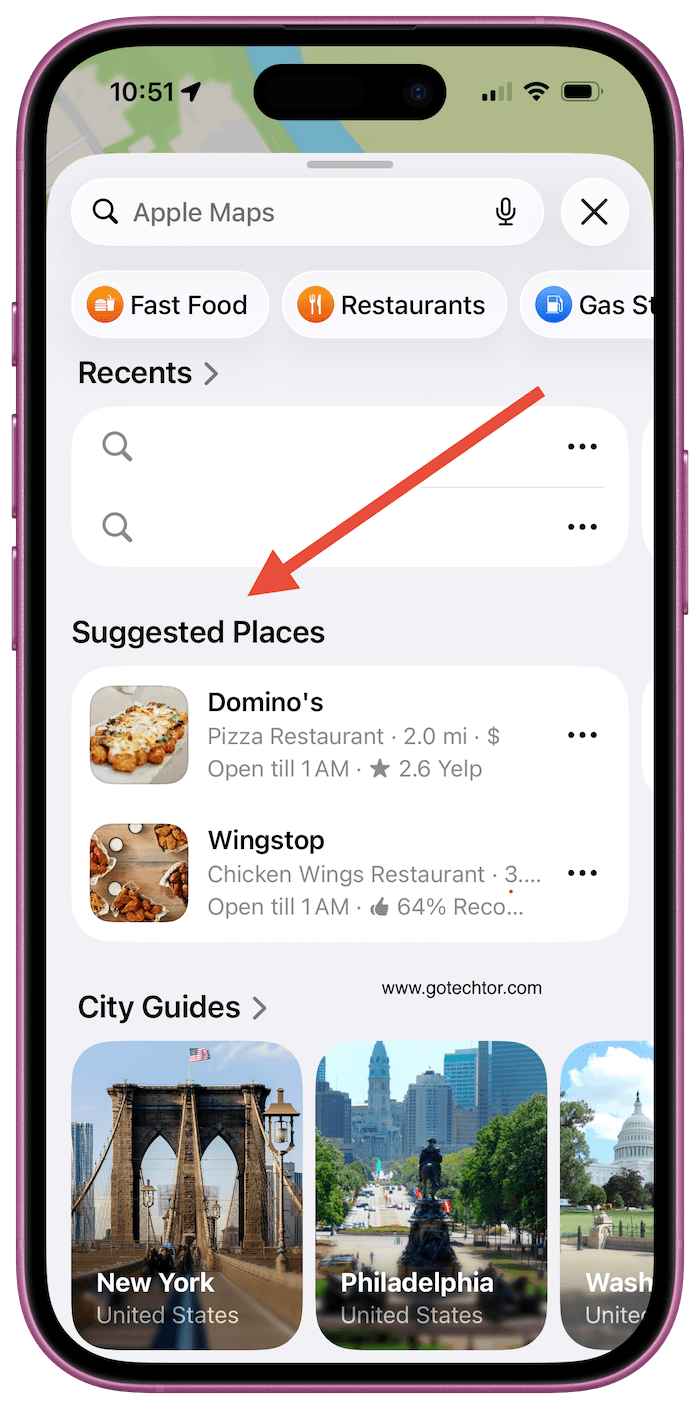
Ads will be based on location, search terms, and even how you move around the map. Apple says they’ll be clearly labeled, but the direction is clear: Maps is turning into a monetized surface.
That shift sits in an interesting spot alongside another change in the same release. Apple has re-enabled end-to-end encryption for RCS messaging between iPhone and Android users after previously testing and pulling it.
With iOS 26.5, those conversations are once again fully encrypted by default, closing a gap that stood out in earlier versions. It’s a notable reversal, and one that reinforces Apple’s ongoing privacy stance—at the same time, it’s expanding ads elsewhere.
Outside the U.S., the update continues to reflect pressure from regulators. In the European Union, Apple is still working toward broader interoperability changes tied to the Digital Markets Act.
The latest beta hints at deeper support for third-party wearables, including simpler proximity pairing, the ability to receive and interact with iPhone notifications, and even Live Activities syncing beyond the Apple Watch.
Also: Apple is finally bringing a long-missing upgrade to the iMac years after rivals made it standard
These features have appeared in prior betas and disappeared before release, so timing remains unclear, but the direction is consistent: Apple is being pushed to open up parts of its ecosystem it once tightly controlled.
There are also smaller quality-of-life changes that round out the update. Accessories like the Magic Keyboard can now automatically establish a Bluetooth connection when plugged in via USB-C, eliminating the need for a manual step.
For users switching from iPhone to Android, Apple appears to be adding more control over what message attachments get transferred, with options to limit the timeframe.
Taken together, iOS 26.5 feels like Apple is balancing two forces at once, leaning further into services and monetization in places like Maps, while continuing to reinforce privacy and respond to regulatory pressure in others.

