
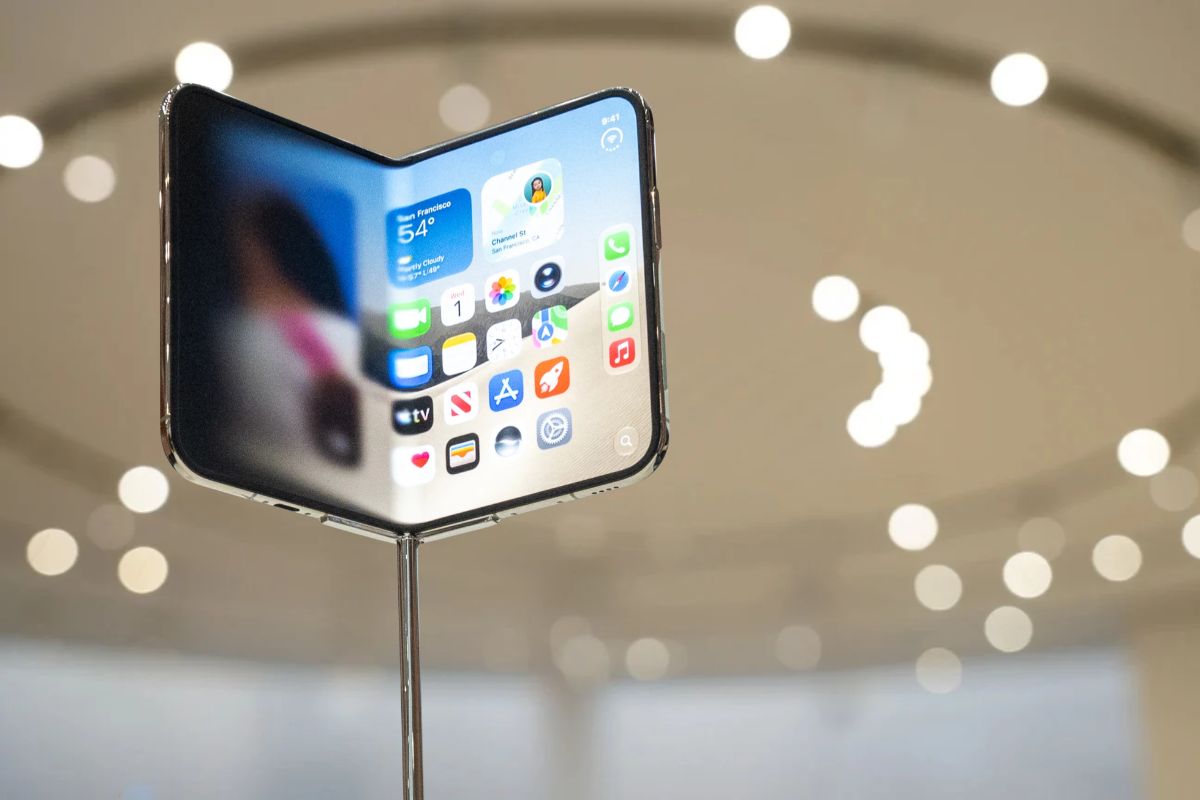
Apple is already working on improvements for future versions of its foldable iPhone Duo, including several features missing from the first-generation model.
Four hardware upgrades are reportedly on Apple’s roadmap: Face ID, an Action button, a telephoto camera, and a thinner, lighter design.
The changes would address some of the biggest compromises buyers have had to accept on Apple’s $1,999 foldable iPhone.
However, one of the most anticipated upgrades might not arrive with the iPhone Duo 2.
1. Face ID Could Replace Touch ID, but Not Anytime Soon
The original iPhone Duo uses Touch ID built into its power button instead of the Face ID system found on Apple’s other flagship iPhones.
Apple is reportedly testing Face ID on the outer display of iPhone Duo 2 prototypes, but development is taking longer than expected.
The company is running out of time to finalize the technology for the second-generation model, raising the possibility that Face ID won’t arrive until the iPhone Duo 3.
That would leave another generation of buyers relying on fingerprint authentication.
For a device that frequently switches between folded and unfolded positions, Face ID could make unlocking and authentication considerably more convenient.
2. An Action Button Could Bring More Customization
Apple also wants to add an Action button to a future iPhone Duo.
The programmable button would give users quicker access to frequently used features, such as the camera, flashlight, or a custom shortcut.
It’s already a familiar feature on Apple’s Pro iPhones, but the first-generation Duo doesn’t include it.
There’s no confirmation that the button will make it into the iPhone Duo 2.
3. A Telephoto Camera Could Fix a Major Camera Compromise
Despite its premium price, the original iPhone Duo lacks a dedicated telephoto camera.
That means buyers miss out on the optical zoom capabilities available on Apple’s Pro models.
Adding a telephoto lens would bring the Duo closer to the iPhone Pro lineup, making it more appealing to people who want a foldable phone without sacrificing camera versatility.
Apple hasn’t specified what zoom capabilities the future camera might offer or when the upgrade will arrive.
4. A Thinner, Lighter Design Is Also on Apple’s Roadmap
Apple is looking to reduce the size and weight of future Duo models.
Although the first-generation device is remarkably thin when unfolded, its folding design makes it thicker when closed.
Reducing that bulk could make the phone more comfortable to carry and easier to use one-handed.
However, making the device slimmer while accommodating additional camera and Face ID hardware presents its own engineering challenges.
Which Upgrades Will Make It Into the iPhone Duo 2?
Apple hasn’t confirmed which of these changes will arrive with the second-generation model.
Face ID appears particularly uncertain, despite reportedly reaching the prototype stage.
Meanwhile, the first iPhone Duo is still relatively new, having reached customers in October.
Early owners have also reported display cracks near the hinge on a small number of units, an issue Apple says affects only a limited number of devices.
For buyers considering a future Duo, the biggest question is whether Apple can deliver enough improvements in the second generation or whether some of the most desirable features will require waiting for the third.

