
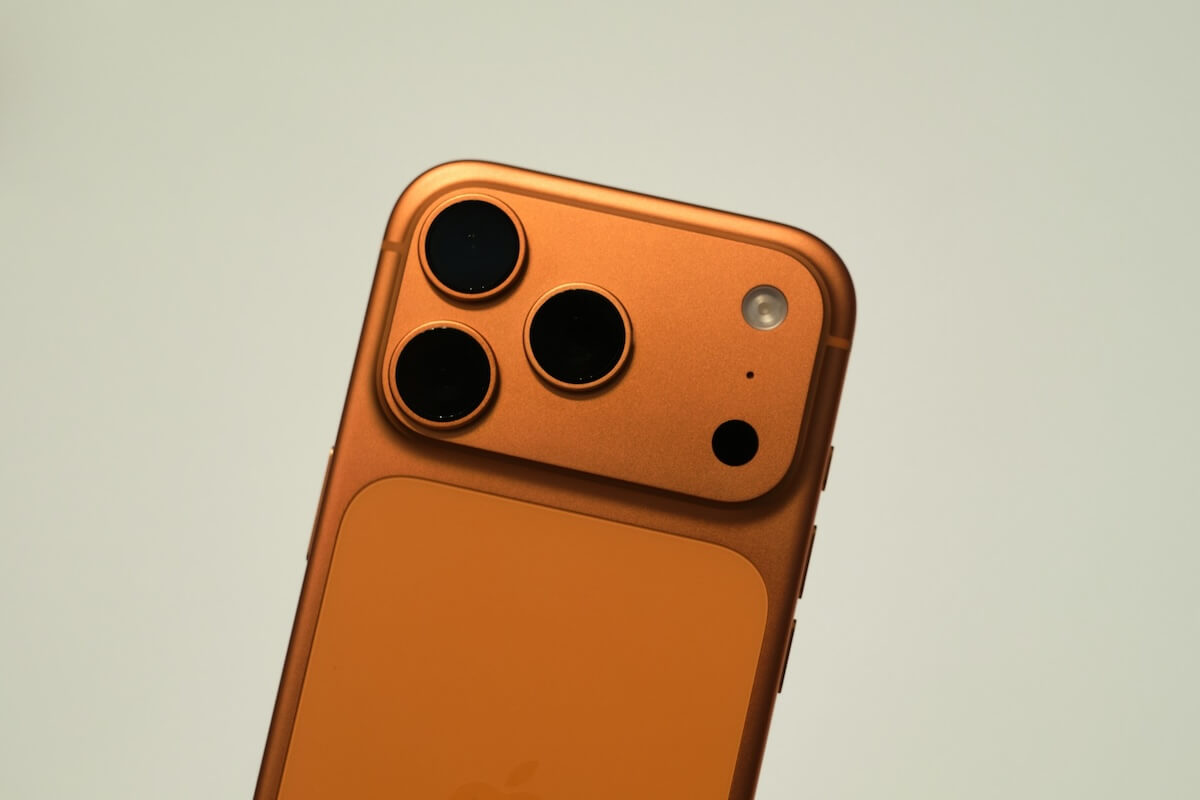
Apple is set to unveil the iPhone 18 Pro and iPhone 18 Pro Max on September 9, with upgrades expected across the processor, cameras, battery, and design.
The biggest changes include Apple’s new A20 Pro chip, a smaller Dynamic Island, camera upgrades, and longer battery life. The Pro Max could also get one camera feature unavailable on the smaller model.
A20 Pro and longer battery life
Both models will run on the A20 Pro, Apple’s newest iPhone chip, which is part of the same generation as the M6 introduced earlier this year.
The new chip arrives as Apple expands the AI features built into iOS 27 and Siri, putting more of that processing directly on the iPhone.
Apple is also expected to use its second-generation C2 modem, replacing the C1X in the iPhone 17 Pro. Together with a slightly larger battery, the changes are expected to make the iPhone 18 Pro Apple’s longest-lasting 6.3-inch Pro model yet.
The Pro Max gets a bigger increase. Regulatory filings indicate its battery capacity will grow by around 10% compared with the iPhone 17 Pro Max.
New cameras and a smaller Dynamic Island
Apple is reportedly replacing the main camera module on the iPhone 18 Pro and Pro Max. The new hardware is thicker, resulting in a larger camera plateau on the back of both phones.
The telephoto camera is also expected to offer a wider aperture, allowing more light to reach the sensor at longer focal lengths.
Apple has made changes elsewhere on the body. The Dynamic Island is expected to shrink by around 35%, while the back will have a more uniform appearance between the glass section and aluminum frame.
A redesigned Camera Control button is also coming, along with new finishes, including a dark cherry or burgundy option.
One upgrade may require the Pro Max
The camera differences between the two Pro models may extend beyond their usual size advantages.
Recent Bloomberg reporting suggests Apple could reserve its new variable aperture system for the iPhone 18 Pro Max, although earlier information has left open the possibility that it could appear on both models.
Variable aperture mechanically changes the size of the lens opening rather than relying solely on computational photography. It can give photographers more control over depth of field while adjusting how much light reaches the sensor.
If Apple’s implementation is limited to the Pro Max, the camera would become another difference between the two Pro models rather than simply an advantage of choosing a larger screen and battery.

