
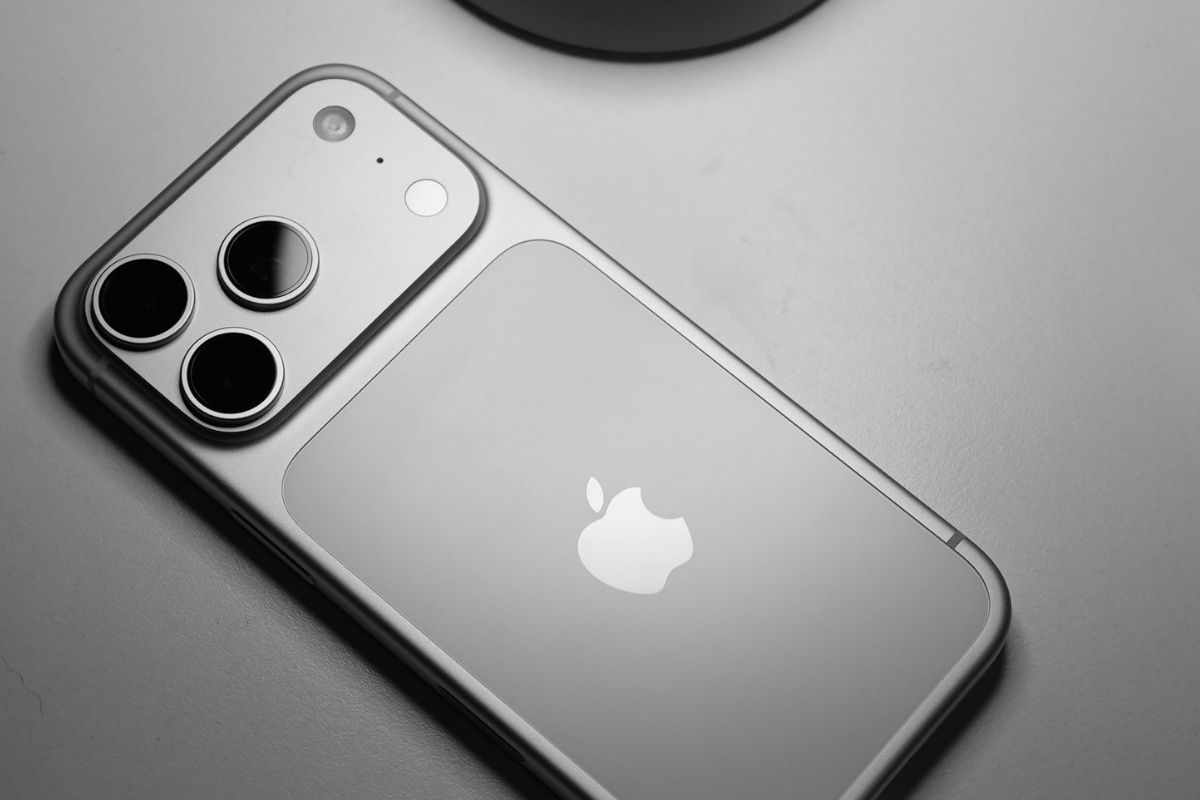
The iPhone 18 Pro is shaping up to cost significantly more than its predecessor, with a $200 to $300 price increase that could push the entry-level model from $1,099 to $1,299 or higher.
The iPhone 18 Pro Max could land at $1,399 before taxes. Apple already raised Mac and iPad prices in June, and a September event is confirmed for the iPhone lineup.
The price jump is being driven largely by a global shortage of DRAM and NAND flash memory, components that AI hardware manufacturers are consuming at an accelerating rate.
Outside the United States, buyers could feel the increase even more acutely due to a weakening dollar, which inflated local-currency prices.
Apple is finally changing the main camera
The biggest camera change could be a variable-aperture main camera, at least on the iPhone 18 Pro Max.
Variable aperture is common on DSLRs and higher-end cameras. It lets you adjust how much light enters the lens and how much of the scene stays in focus. A wider aperture lets in more light and creates more background blur. A narrower aperture keeps more of the scene in focus.
The size of the camera sensor will also matter. A variable aperture can only do so much with a small sensor, so pairing the lens with a larger sensor could make the feature much more useful in everyday shooting.
Apple has not made a significant update to the main camera sensor in several years. The iPhone 17 Pro’s biggest camera change was a larger telephoto lens rather than a new primary sensor.
The iPhone 18 Pro could finally change that by combining a new main sensor with the variable-aperture lens.
The biggest changes are under the hood
Powering the iPhone 18 Pro will be the A20 Pro, built on TSMC’s 2nm process, marking a first for a mobile chip. Early figures put the performance gain at around 18% over the A19 Pro, while power consumption could fall by up to 30%.
For most people, though, the bigger difference may show up in AI rather than raw speed. Everyday tasks are unlikely to feel dramatically faster, given that the A19 Pro is already among the fastest mobile chips available, but the extra headroom could give Apple more room to run AI features on the device.
Apple is also expected to make a bigger change to cellular connectivity. Qualcomm’s modem could give way to Apple’s own C2 chip in most markets, although U.S. models are expected to stick with Qualcomm for now.
That would be the next step after the C1X, which debuted in the iPhone Air and delivered twice the speeds of the original C1. Efficiency is likely to be a bigger focus this time, potentially helping battery life rather than producing a difference most users will notice in everyday connectivity.
That’s because the iPhone 17 Pro already uses Qualcomm’s X80 modem, which supports both mmWave and sub-6GHz 5G. For most owners, then, the C2’s biggest benefits may be efficiency and battery life rather than noticeably faster 5 G speeds.
Don’t expect another major redesign
Apple is not expected to follow up the iPhone 17 Pro’s design overhaul with another major physical change.
Display sizes and overall dimensions should carry over. Apple appears to be differentiating the 18 Pro mainly through its color options, with dark cherry red potentially replacing last year’s cosmic orange, joined by a new light blue option alongside the standard black and white finishes.
The rear panel may also drop the two-tone look introduced with the 17 Pro in favor of a more uniform appearance.
The Pro Max is also reported to carry a battery 500mAh larger than the current model, which would make it slightly thicker and heavier.
Apple’s September 9 event will also introduce what is widely expected to be a folding iPhone, potentially called the iPhone Ultra, which may draw more attention than the Pro models regardless of what upgrades they carry.
For iPhone 17 Pro owners weighing an upgrade, the price increase alone could be the deciding factor before any spec comparison begins.

