
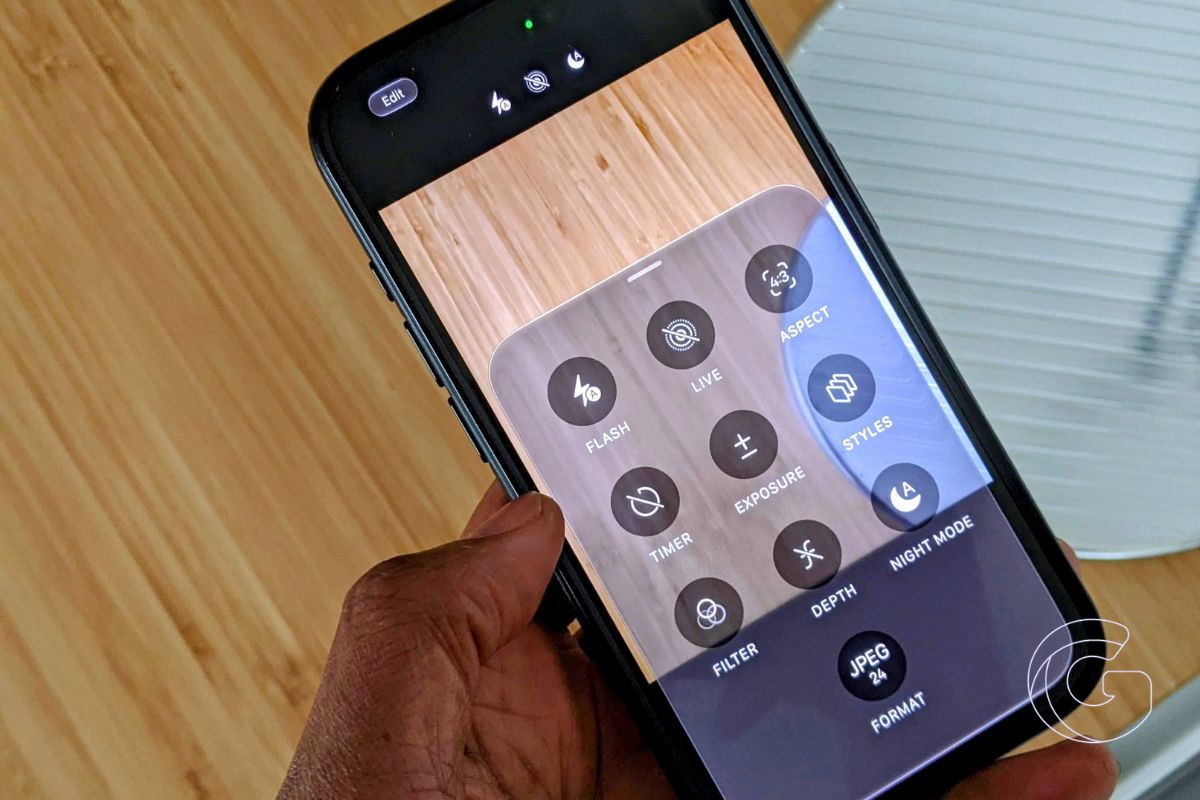
The iPhone 18 Pro and Pro Max bring some of the biggest changes to Apple’s camera system in years, including a mechanical aperture that lets photographers control how much light enters the lens and how much of a scene stays in focus.
The new camera also adds manual shutter speed and white balance controls, more flexible Photographic Styles, improved subject tracking, and a way to verify a photo hasn’t been altered.
A camera lens you can actually adjust
The biggest hardware upgrade is the main camera’s variable aperture. Six mechanical blades adjust the lens opening between f/1.48 and f/4.0, giving photographers more control over exposure and depth of field.
Apple provides four presets: f/1.48, f/1.8, f/2.8, and f/4.0. The widest setting lets in more light and creates stronger background blur, while narrower settings can keep more of a scene in focus. Shooting bright lights at f/4.0 can also produce a starburst effect.
Third-party camera apps can select intermediate aperture values, giving enthusiasts finer control than Apple’s four built-in presets.
The Camera app now includes manual shutter speed and white balance adjustments on Pro models. Faster shutter speeds can freeze moving subjects, while exposures of up to one second allow intentional motion blur or brighter nighttime shots.
A histogram helps photographers monitor exposure, and iOS 27 lets users customize the Camera app’s top bar so frequently used controls are easier to reach.
More editing freedom after taking a photo
Photographic Styles 3 adds texture adjustments alongside the existing tone and warmth controls. New options include soft skin, glow, film textures, and optional grain.
You can edit these adjustments after capture, so you can change or remove a style in Photos without losing the original image.
Smart focus tracking also makes it easier to photograph moving subjects. Double-tapping a person or object locks focus onto the subject as it moves through the frame or changes distance from the camera.
For video, the iPhone 18 Pro can add Cinematic Mode background blur to footage captured in the standard Video mode. This gives users more flexibility in how their footage looks after recording.
A new way to prove a photo is authentic
Apple is also introducing Reference Image, a feature designed for situations where proving a photo hasn’t been manipulated is particularly important.
When enabled, the camera signs image data and adds a tamper-evident timestamp. Apple’s servers then process the capture into a secure digital negative that can verify its authenticity.
The feature comes with trade-offs, including higher storage requirements and no Night mode support.
Photographic Styles 3 will also be available on the iPhone Duo, while the variable aperture, manual camera controls, smart focus tracking, expanded Cinematic video capabilities, and Reference Image are exclusive to the iPhone 18 Pro and Pro Max.

