
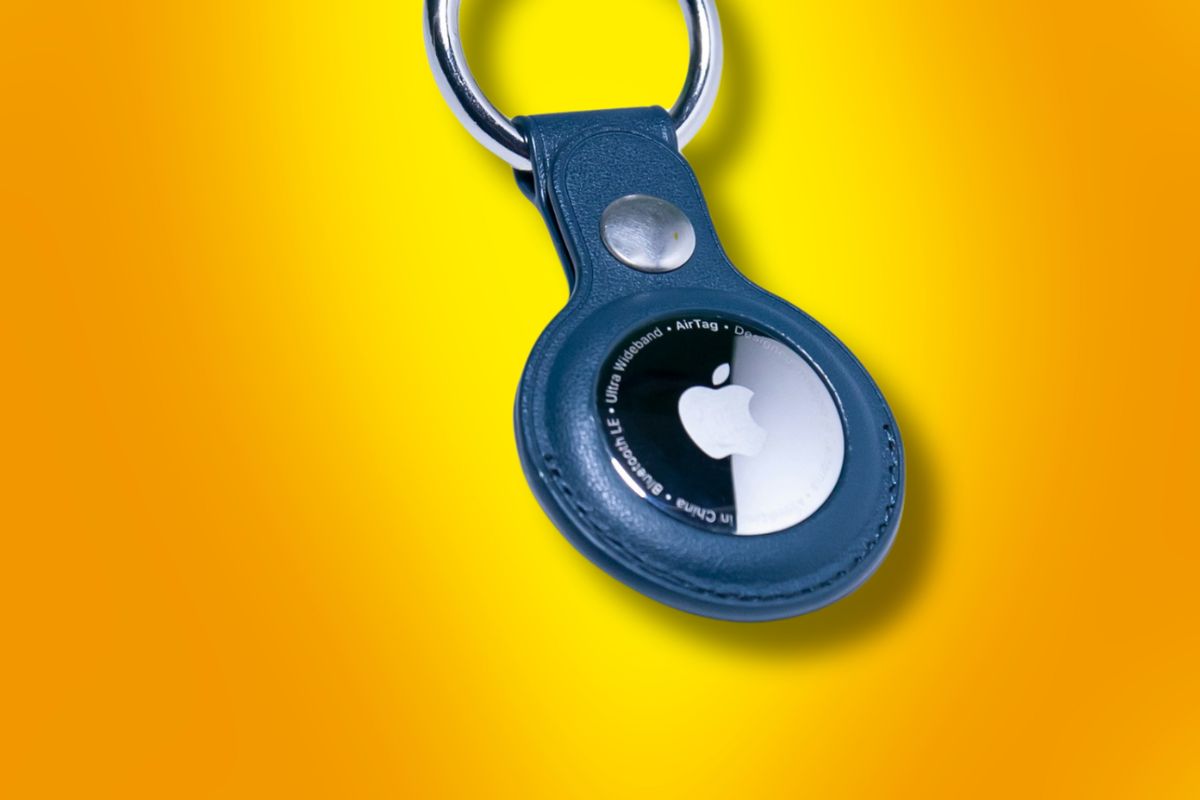
Apple says Precision Finding on the Apple Watch only works with the new AirTag 2 due to hardware limitations. That explanation is neat, simple, and familiar. It is also doing a lot of work without much evidence to back it up.
If you spend enough time inside Apple’s ecosystem, the gaps start to stand out. An Apple Watch can precisely locate an iPhone. An iPhone with a first-generation Ultra Wideband chip can precisely locate an original AirTag.
The same Watch that already runs Precision Finding suddenly cannot do that job for an older AirTag, even though both devices support UWB and both receive firmware updates over the air.
Apple’s answer is that the AirTag is one hardware generation behind. The company has not offered a public engineering rationale and has not addressed why this limitation exists when asked directly in its own support documentation. It simply states the requirement and moves on.
For long-time Apple users, this feels familiar. Apple has a history of presenting product boundaries as technical necessities, only to later soften or reverse them.
Stage Manager was once positioned as an M-series requirement. Battery performance limits were framed as protective measures long after users noticed slowdowns. In each case, the issue was not the decision itself, but rather the lack of transparency about how it was made.
Also: 5 things Apple changed in the new AirTag 2 that make finding lost items faster and less stressful
The frustration here is not that Precision Finding on Apple Watch does not work with older AirTags. It is that Apple has not made a convincing case that it cannot.
From the outside, this looks less like a physical limitation and more like a product line choice that Apple does not want to litigate publicly.
Apple may well have a legitimate engineering reason, which is entirely possible. But they chose not to share it, which might indicate a profit-driven decision.

