
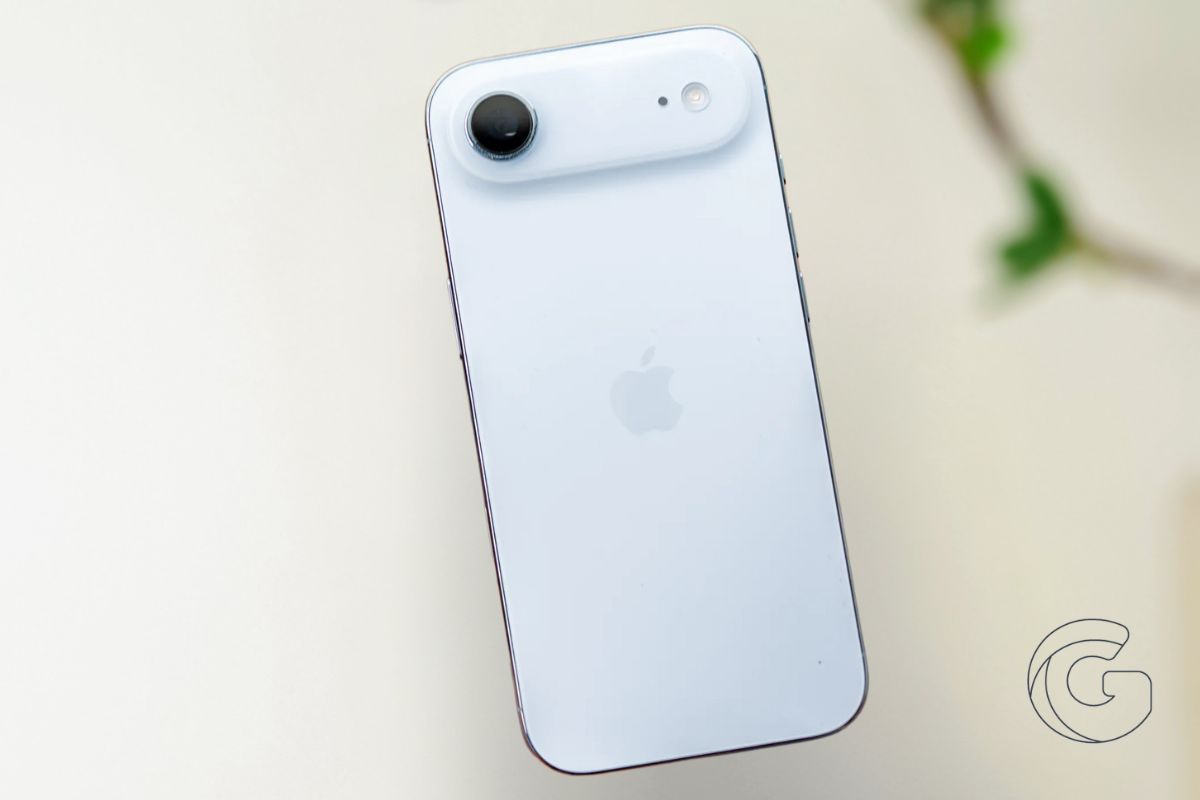
Apple spent years whispering that thinness was coming back, which is funny considering no one was actually asking for it.
The iPhone Air was supposed to be the return of sleek Apple hardware design. Instead, it felt like a reminder that industrial design only works when physics cooperates.
With one speaker, one camera, and a battery nobody could agree on, the iPhone Air didn’t read like a breakthrough but rather a compromise.
Apple might have taken the hit, but everyone else benefited from the fallout. In the weeks after the launch, suppliers in Shenzhen reportedly slowed or froze their own ultra-thin phone plans.
And who could blame them? If Apple can’t make that idea look exciting with its marketing machine and its silicon advantage, what chance does anyone else have?
The market signal was loud enough: buyers don’t want a tech demo. They want something they can rely on.
That shift opens the door for a very different strategy. Samsung, Google, and even OnePlus now have room to play the role Apple once owned: the company that builds what people actually need.
Battery life is suddenly a feature again. Speaker quality is back to being something consumers notice.
Phone companies can skip the design Olympics and focus on utility without looking old-fashioned. The message is simple. Be useful. Don’t chase Apple’s experiments.
And here’s why Apple should care. The Air didn’t move the iPhone forward. It created space for competitors to reposition themselves without taking any risk.
If Apple is busy solving problems nobody has, someone else might solve the ones that matter. That doesn’t mean Apple is in trouble. It means the industry has finally learned how to wait for Apple to make the first mistake.

