
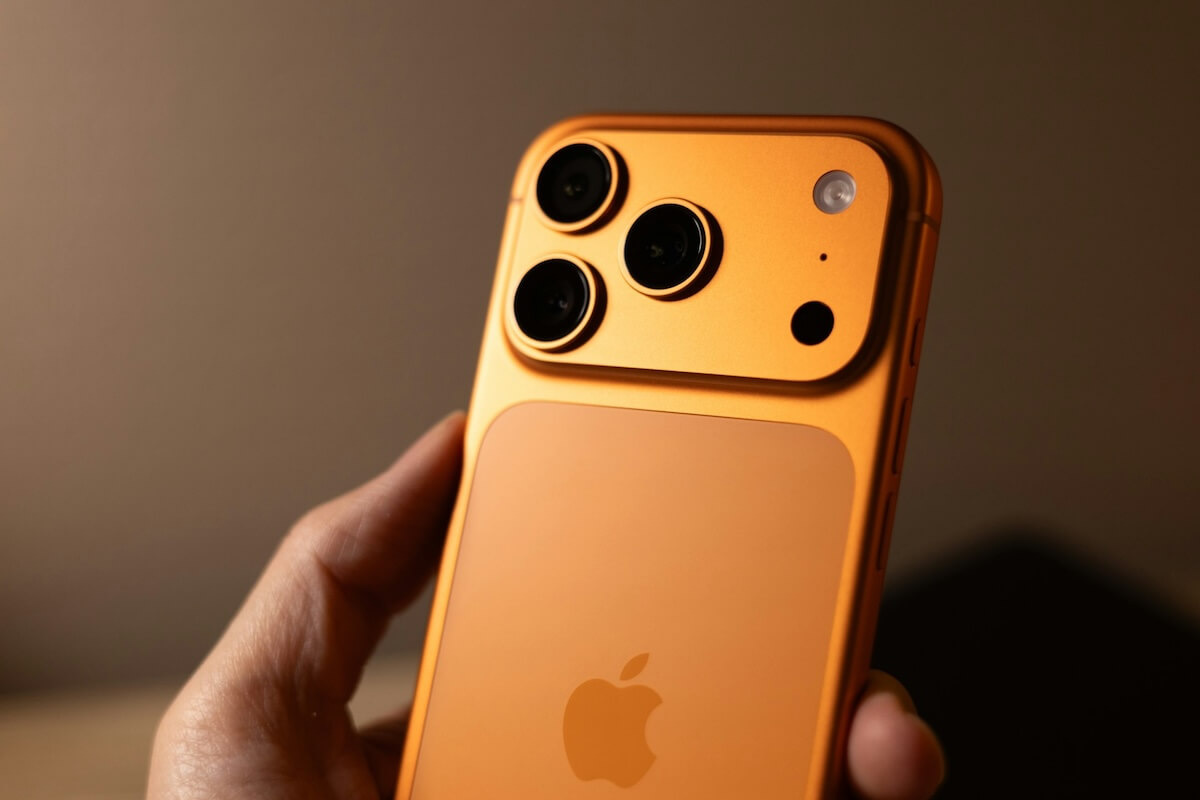
TrinamiX, a subsidiary of German chemical company BASF, has filed a lawsuit against Apple in a Texas federal court, accusing the company of infringing seven patents tied to the skin-detection technology that underpins newer versions of Face ID.
The complaint, filed in the U.S. District Court for the Western District of Texas and first reported by Reuters, centers on technology designed to distinguish real human skin from spoofing attempts using photos, silicone masks, or other fakes.
TrinamiX argues it spent years developing this capability and that Apple’s updated Face ID implementation crosses into its intellectual property.
What TrinamiX says Apple infringed
The complaint draws a clear line: Apple’s original Face ID, introduced with the iPhone X in 2017, is not at issue. TrinamiX specifically targets a later update in which Apple allegedly added material and skin-detection functionality.
The seven patents in question cover two technical areas: identifying skin during face authentication and determining what a surface is made of, both aimed at catching fakes that standard optical scanning might miss.
TrinamiX claims Apple “knew or should have known” that incorporating this functionality into newer iPhones and iPads infringed its patents, resulting in “substantial damages and irreparable injury.”
The accused products span a wide range of hardware, from the iPhone 15 lineup through the entire iPhone 17 family, including the iPhone Air, and several iPad Pro models from the fourth generation onward.
The timing could matter
The patent history adds complexity. TrinamiX filed its first material-detection patents in 2019 and skin-detection patents in 2021, with U.S. continuation patents issuing in 2025 and 2026.
Apple allegedly added the relevant functionality around 2023, meaning the iPhone 15 went on sale before several of these patents were formally granted.
That timing could limit any damages to post-grant sales rather than the full period Apple has sold the accused devices. Unlike some patent disputes, TrinamiX is not alleging that Apple copied technology it was shown directly.
This is an independent-development infringement claim, meaning the argument is that Apple should have checked existing patents before building its own implementation, not that it had any direct contact with TrinamiX’s research.
What TrinamiX Is Asking For
The company is seeking a court ruling that Apple infringed its patents, an injunction blocking Apple from making, selling, or importing the accused products, and an award of damages and attorneys’ fees. TrinamiX has requested a jury trial.
The venue choice has drawn attention. The Western District of Texas has historically been considered favorable to patent plaintiffs, though the district’s most plaintiff-friendly judge, Judge Albright in Waco, recently left the federal bench, making that strategic calculation less certain. Apple has not yet filed a public response to the complaint.

