
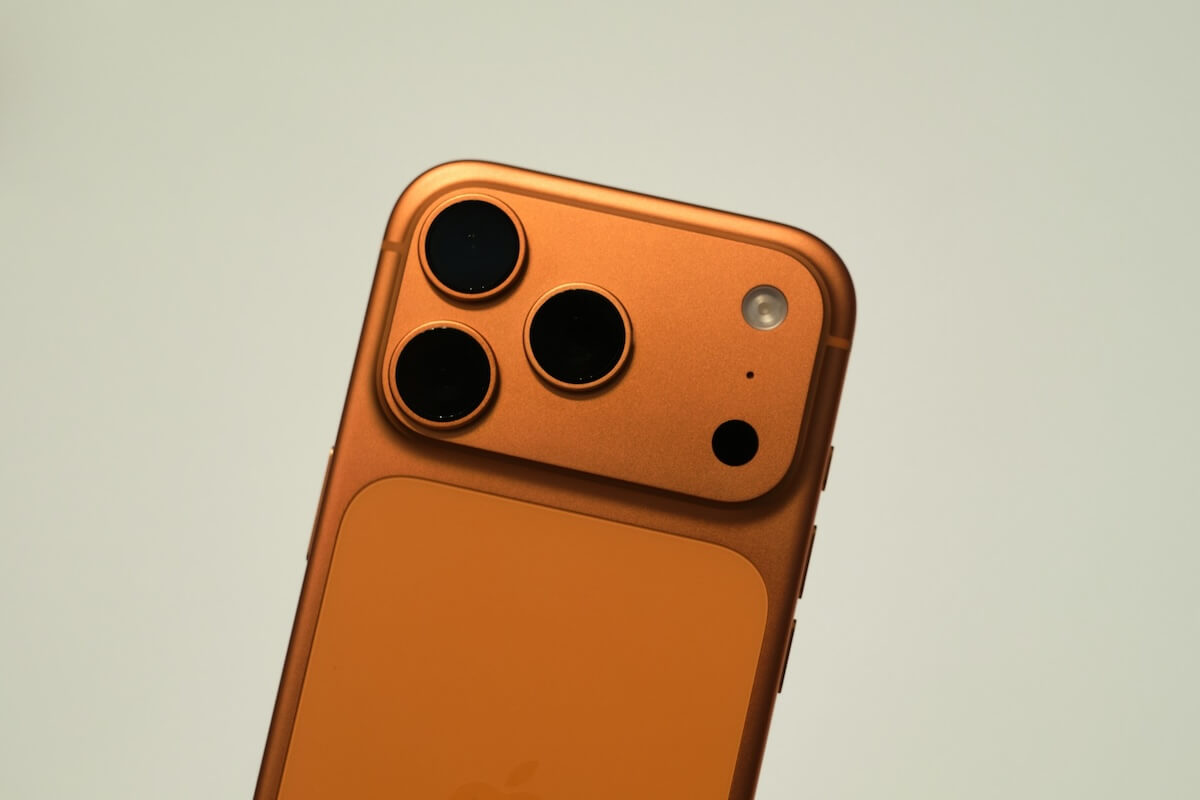
Apple is cutting ties with Qualcomm faster than expected. Following Qualcomm’s earnings call, CEO Cristiano Amon confirmed that Apple is accelerating its shift to in-house 5G modems, pushing Qualcomm out of future iPhones well ahead of Wall Street’s original timeline.
Qualcomm originally expected to retain 20% of the modem orders for the next iPhone, but CEO Cristiano Amon now admits the actual number will be far lower.
The financial hit will start showing up in Qualcomm’s fourth fiscal quarter of 2026, right as Apple rolls out the iPhone 18 line.
What the iPhone 18 Will Actually Use
Apple’s modem program has moved through three chips in a short period. The C1 debuted in the iPhone 16e, followed by C1X variants in the iPhone 17e and iPhone Air.
The next chip, called the C2, is expected to add mmWave 5G support and improved battery efficiency, closing the gap with Qualcomm’s hardware in meaningful ways for everyday users.
For iPhone 18, Apple appears to be splitting its approach by geography. International models are expected to carry the C2, while US versions will reportedly keep a Qualcomm modem.
The US holds some of the most demanding 5G infrastructure in the world, and Apple has not yet moved to deploy its own silicon there at scale.
That calculus is expected to shift by 2027, with the 20th anniversary iPhone reportedly targeted as the first premium US model to ship entirely without Qualcomm hardware inside.
Qualcomm’s Price Increases Land September 1
Qualcomm is responding to the Apple revenue loss on two fronts. Starting September 1, the company is raising chip prices, with Amon describing the increase as a pass-through of rising supply chain costs.
Whether those increases flow through to device makers and eventually consumers depends on how much margin manufacturers are willing to absorb.
The company is also pushing hard into data centers, projecting that division will generate $5 billion in revenue by fiscal 2027. Amon put it plainly: “We kind of replaced Apple with the data center.”
That segment puts Qualcomm in direct competition with Nvidia, AMD, and custom silicon built internally by major cloud providers, all of which have significant head starts.
A Licensing Deal Adds Uncertainty
Designing custom modems won’t let Apple completely sever ties with Qualcomm. Even after Apple stops buying physical chips, it will still need to license Qualcomm’s standard-essential cellular patents.
Their current patent licensing agreement runs through March 2027, setting up a fresh round of high-stakes royalty negotiations down the line.
For iPhone users, swapping out Qualcomm’s modem for Apple’s custom C2 chip is a high-stakes shift.
Cellular performance, battery drain in low-signal areas, and download speeds will now rest entirely on Apple’s silicon team. And we won’t know if the C2 can match Qualcomm’s gold standard until the iPhone 18 hits the market.

