
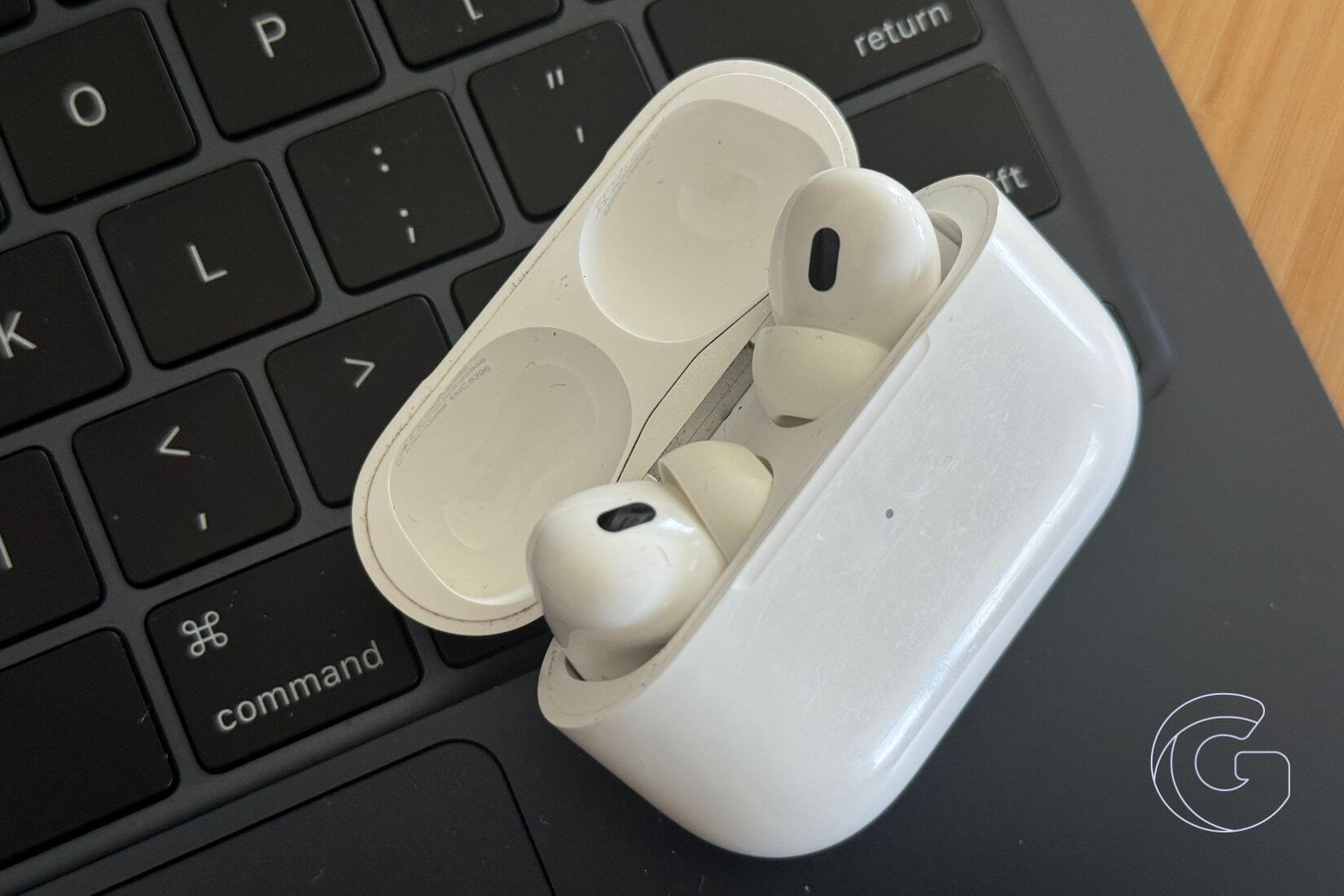
Apple pushed a fourth beta firmware update on Tuesday for AirPods Pro 2, AirPods Pro 3, AirPods 4, and AirPods Max 2, adding support for features tied to iOS 27 that will change how owners control their audio settings this fall.
The most practical addition is custom EQ. For the first time, AirPods users will be able to adjust the sound profile of their earbuds to match personal preferences rather than relying on Apple’s fixed audio tuning.
Listeners who find bass too heavy or vocals too recessed have had no built-in way to change that. Custom EQ removes that limitation.
A New Way to Control Noise Cancellation
iOS 27 also introduces a slider for Adaptive mode. Currently, Adaptive Transparency is either on or off.
The slider lets users set exactly how much environmental sound passes through, which is useful on a noisy street versus a quiet office. That level of control has not existed before in Apple’s AirPods software.
Apple is also redesigning the AirPods interface across iPhone, iPad, and Mac. The updated layout will appear in iOS 27, iPadOS 27, and macOS Golden Gate when those ship this fall. The beta firmware lays the groundwork for those changes on the hardware side.
Siri Gets a Role in AirPods
The firmware also connects AirPods to the updated Siri AI shipping with iOS 27.
Apple has been expanding Siri’s capabilities through its Apple Intelligence push, and AirPods will serve as a direct access point to those features once the software reaches general release.
The beta is currently limited to developers. Anyone running iOS 26 or later can opt in through the AirPods section in Settings by enabling beta firmware updates.
After toggling that on, the update downloads automatically when the AirPods are connected to an Apple device and placed on a charger.
The process can take several hours. There is no manual install button, as there is for iPhone software updates.
This is the fourth developer beta build, carrying the identifier 9A5336b. Apple has been iterating on AirPods firmware throughout the iOS 27 beta cycle, with previous builds released in July.
A public beta version matching an earlier build has also been available since mid-July for users enrolled in Apple’s public beta program.

