
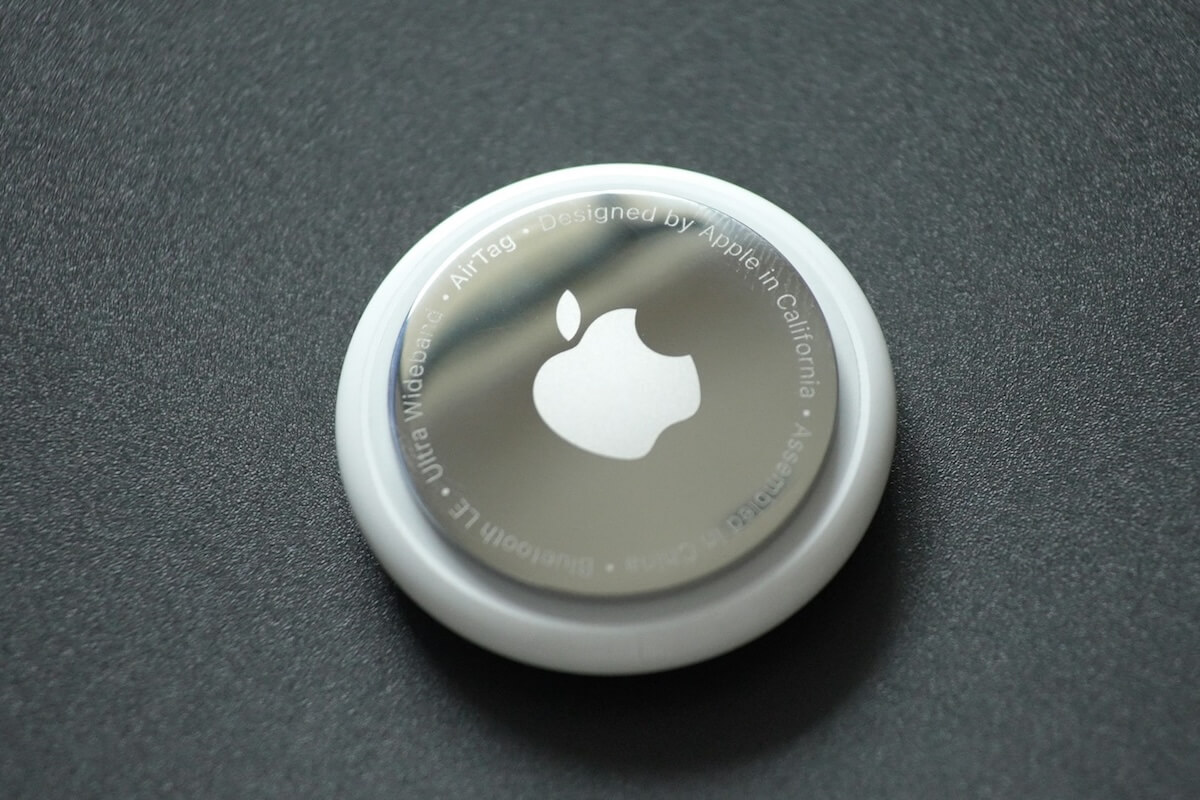
Apple’s new AirTag looks almost exactly like the old one, and that is already frustrating some people. Five years of waiting gets you the same white puck, the same accessories, and the same $29 price.
If you were hoping for a redesign, a built-in key ring, or a slimmer profile, this update probably feels underwhelming at first glance.
But Apple did not update AirTag to look different. It updated AirTag to work better at the exact moment when it matters most.
The key changes are simple but targeted. The new AirTag has a louder speaker and longer Precision Finding range thanks to a second-generation Ultra Wideband chip.
On paper, that sounds incremental. In practice, it addresses the most common complaint AirTag owners have had since 2021. When something is lost in a noisy, crowded, or confusing place, the old AirTag could feel oddly timid.
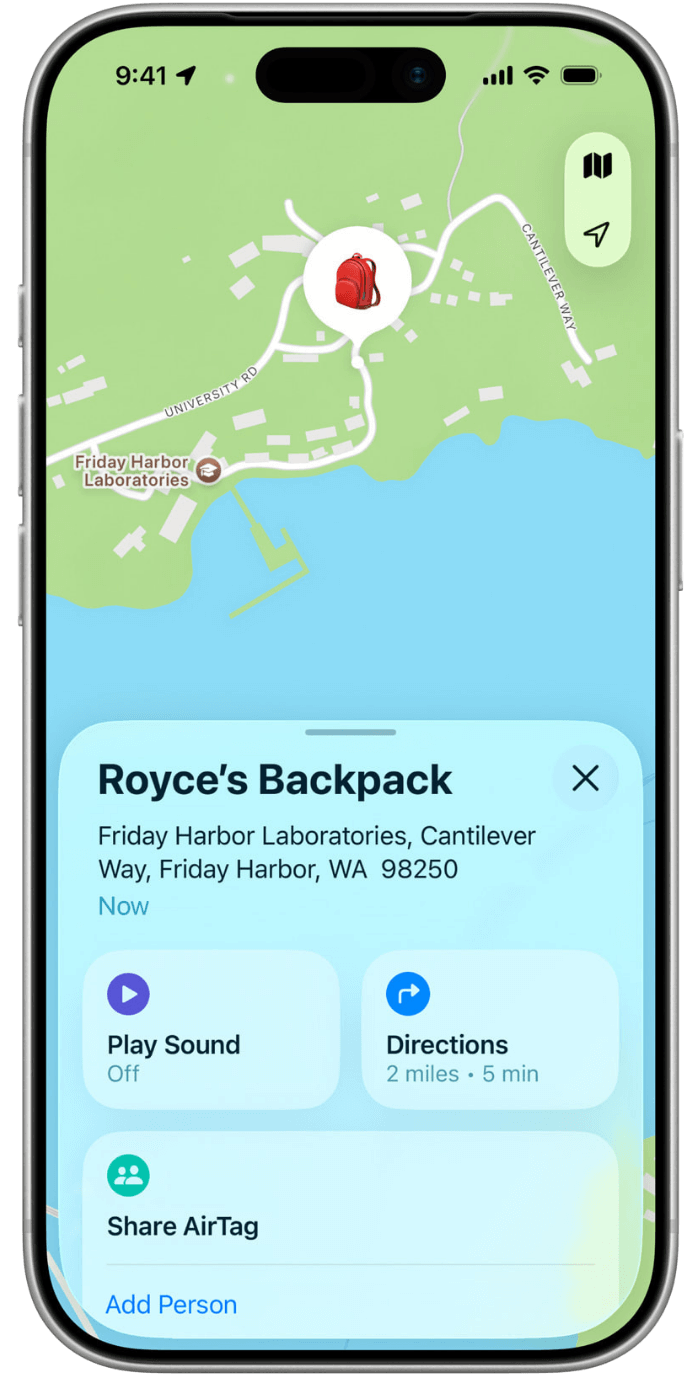
Apple says the speaker is 50 percent louder, and that is the kind of improvement you notice immediately.
AirTags tend to disappear in environments full of competing sounds, such as airports, parking garages, busy homes, and luggage carousels.
A louder chime reduces the awkward dance of standing still, listening closely, and wondering if you are actually getting warmer or colder.
The Precision Finding upgrade matters just as much. The improved UWB chip extends the usable range, helping you locate an item sooner rather than only when you are already close.
That makes AirTag feel less like a last-step locator and more like an actual navigation tool. You get pointed in the right direction earlier, which reduces the time spent wandering around hoping the signal locks in.
Apple Watch support quietly rounds out the update. With watchOS 26.2.1, newer Apple Watches can now use Precision Finding with AirTag. That may sound small, but it changes the flow of everyday use.
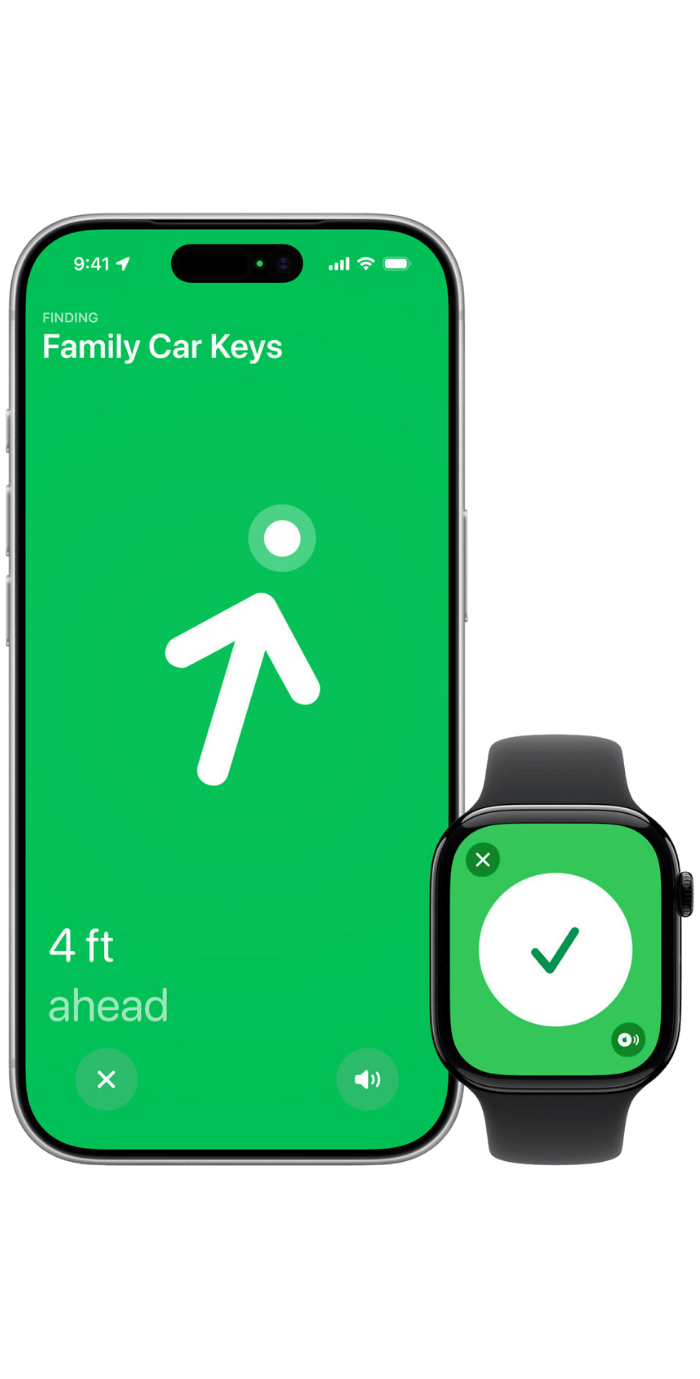
When you are rushing out the door or juggling bags, pulling up directions on your wrist instead of reaching for your phone feels exactly right.
What Apple did not change is just as telling. The AirTag keeps its replaceable battery. It fits existing accessories. The price stays the same.
Apple is clearly prioritizing stability and trust over experimentation, especially for a product that sits at the intersection of personal safety, privacy concerns, and everyday convenience.
If you already own several AirTags, this is not a mandatory upgrade. Apple seems comfortable with that.
But if you rely on one AirTag more than the others, for your keys, your luggage, or something you really cannot afford to lose, the improvements target the exact moments when the original fell short.
This is not a big update, and Apple knows it. The company fixed the most annoying part of using AirTag instead of reinventing the product.

