
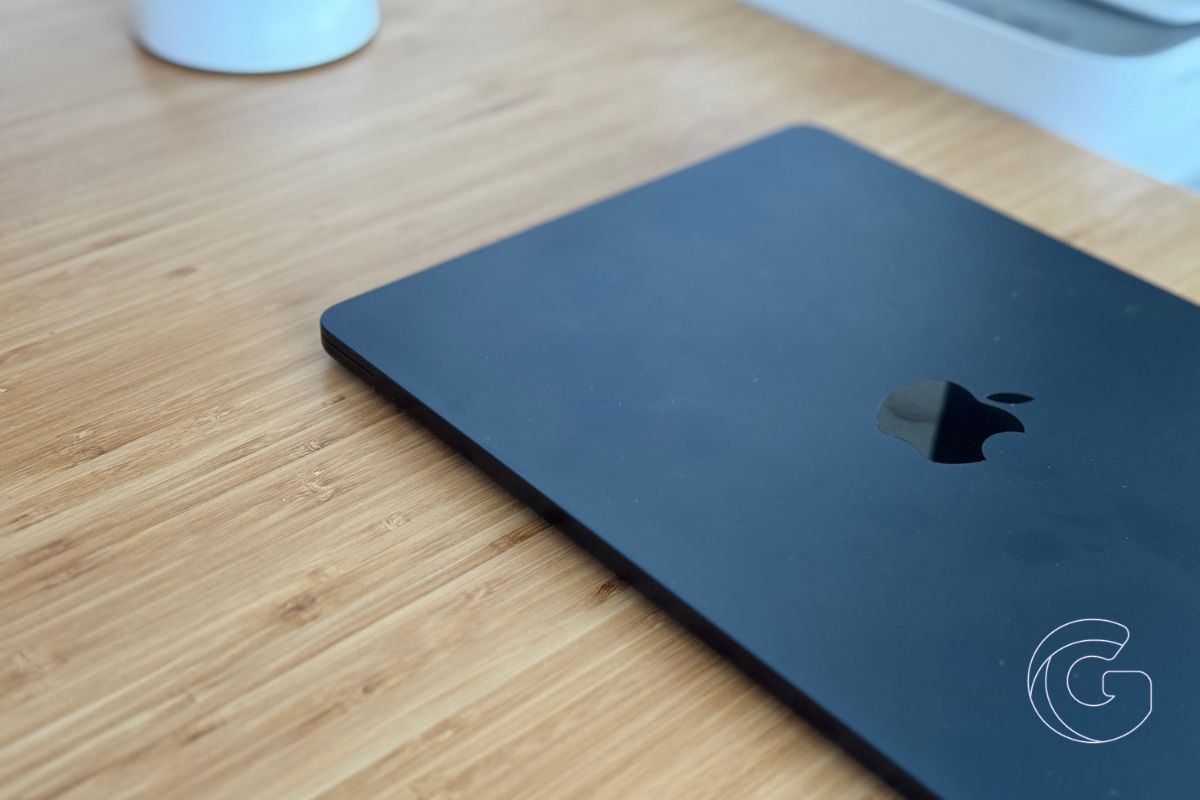
Apple’s MacBook Air is back-ordered until late August, with delivery estimates pushed to the final days of the month for anyone ordering directly from Apple today.
The shortage is landing during back-to-school season, the Air’s strongest sales period of the year, and Apple has added availability warnings to its own back-to-school promotional pages, a step the company rarely takes for a product that remains in active production.
The price of the M5 MacBook Air has already climbed twice in 2025. Apple raised it from $999 to $1,099 in March when the M5 model launched. Then pushed it again to $1,299 in June as part of a broader pricing increase that added $100 to $400 across multiple products.
That $300 increase from the long-standing $999 baseline compresses the distance between the Air and the 14-inch MacBook Pro enough that buyers who would have defaulted to the Air without much deliberation are now running real comparisons.
Why Memory Is the Problem
The supply constraint has roots outside Apple’s control. AI data center expansion has absorbed enormous quantities of high-bandwidth memory globally since the start of 2026, pulling manufacturers’ output toward datacenter-grade components and away from consumer products.
Both SSDs and DDR5 RAM have risen in price industrywide as a result. Apple passed those cost increases on to buyers in June, but even at the higher price, the company cannot maintain consistent stock.
Tim Cook described the demand environment for memory as a “100-year flood.” Apple reported record revenue for its third fiscal quarter of 2026, which confirms the company is absorbing the cost pressure better than most PC manufacturers.
That financial cushion does not resolve an allocation problem when memory supply is constrained across the entire industry.
Apple Is Steering Components Elsewhere
According to Bloomberg, Apple is prioritizing inventory for the entry-level 14-inch MacBook Pro, working to move that model before an M6 refresh arrives this fall.
The MacBook Air sits lower on the internal priority list, and a new Air is not expected until later in the product cycle.
Students, educators, and budget-focused buyers shopping right now are effectively waiting while available components flow toward the Pro lineup instead.
Retail alternatives have not consistently filled the gap. Best Buy has shown intermittent MacBook Air availability, but not at a volume that makes it a reliable option for most shoppers.
Anyone who needs a Mac before September and cannot wait on a delivery estimate will find the 14-inch MacBook Pro more accessible right now.
Apple’s apparent push to clear Pro inventory ahead of the M6 update means that model is easier to order and ships faster, even though it costs more than the Air at its current price.
The MacBook Air is Apple’s best-selling Mac by a wide margin. A shortage on this specific model hits more buyers than any other Mac line.
Because it coincides with the back-to-school rush, Apple has a very narrow window to clear the backlog before seasonal demand drops off.

