
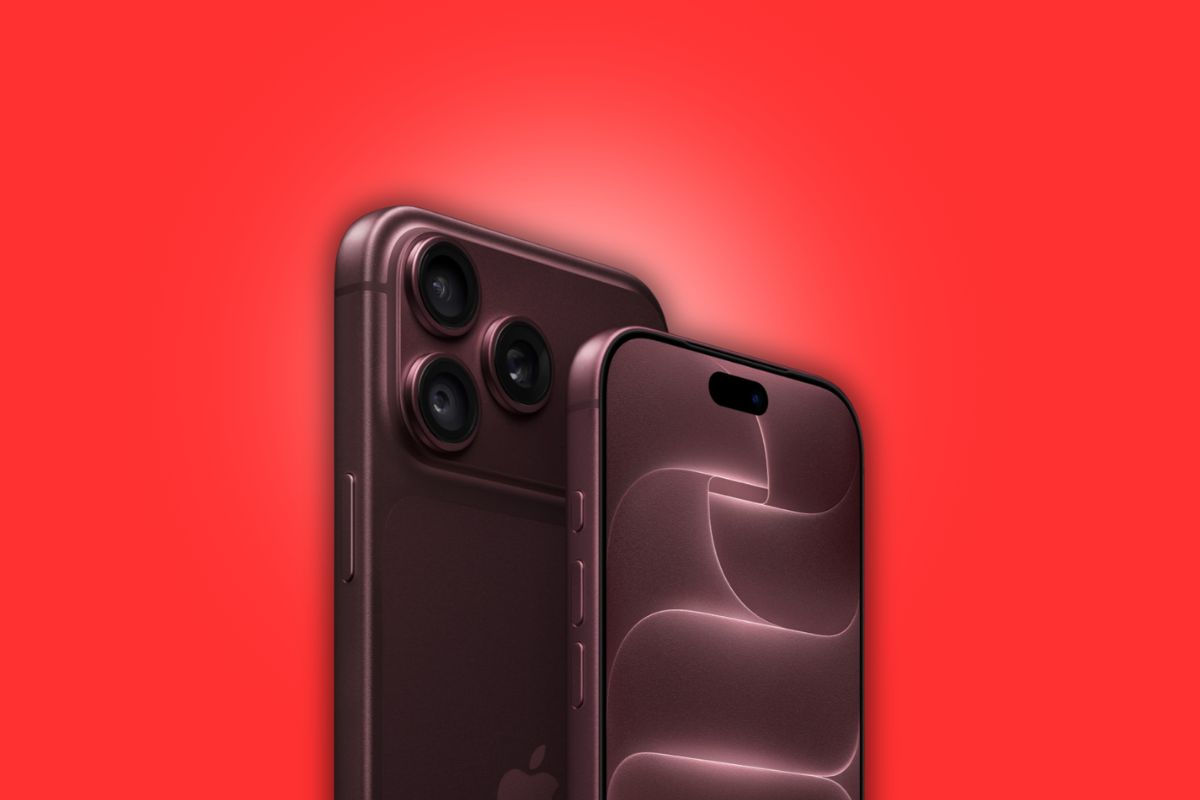
Apple has confirmed that some iPhone 18 Pro Max units on AT&T can permanently lose cellular service, and once that happens, installing a software update won’t restore the connection.
Affected customers will need to replace their iPhone. iOS 27.0.1 and a new AT&T carrier settings update are instead intended to prevent working devices from developing the same problem.
“We have identified an issue affecting a small number of iPhone 18 Pro Max users on the AT&T network that may cause a device to lose service and be unable to make calls,” Apple said Friday. “We released iOS 27.0.1 earlier this week and strongly encourage all iPhone 18 Pro Max users to update now, and are also issuing a carrier settings update today. These updates together are meant to help prevent this issue from occurring.”
The confirmation explains why some customers who followed AT&T’s earlier instructions to install iOS 27.0.1 still had no service afterward. The update wasn’t designed to recover an iPhone once the failure had already occurred.
What to do if your iPhone has already lost service
If your iPhone 18 Pro Max can no longer make calls or connect to AT&T’s network, installing iOS 27.0.1 won’t restore the connection.
Apple says affected customers should contact Apple Support or AT&T, or visit an Apple Store or AT&T retail location to arrange a replacement.
Customers whose phones are still working should install iOS 27.0.1 through Settings > General > Software Update.
AT&T is also rolling out a carrier settings update over the next 14 days. You can check for it manually by opening Settings > General > About and waiting for an update prompt to appear.
The two updates are preventative. If the phone has already entered the failed state, replacement is the only remedy Apple has provided.
The cause is still unexplained
Apple hasn’t disclosed what causes an affected iPhone to permanently lose its cellular connection or why the problem appears limited to AT&T.
The U.S. iPhone 18 Pro Max has one notable hardware difference: it uses Qualcomm’s Snapdragon X80 modem. The iPhone 18 Pro Max sold outside the United States uses Apple’s C2 modem, as does the smaller iPhone 18 Pro globally.
No evidence currently links the Qualcomm modem to the failure, and the problem could involve another component or something specific to the interaction between the phone and AT&T’s network.
No other iPhone models or U.S. carriers are known to be affected. Apple also hasn’t disclosed how many iPhone 18 Pro Max units have experienced the failure or announced a dedicated service program.

